
Plants
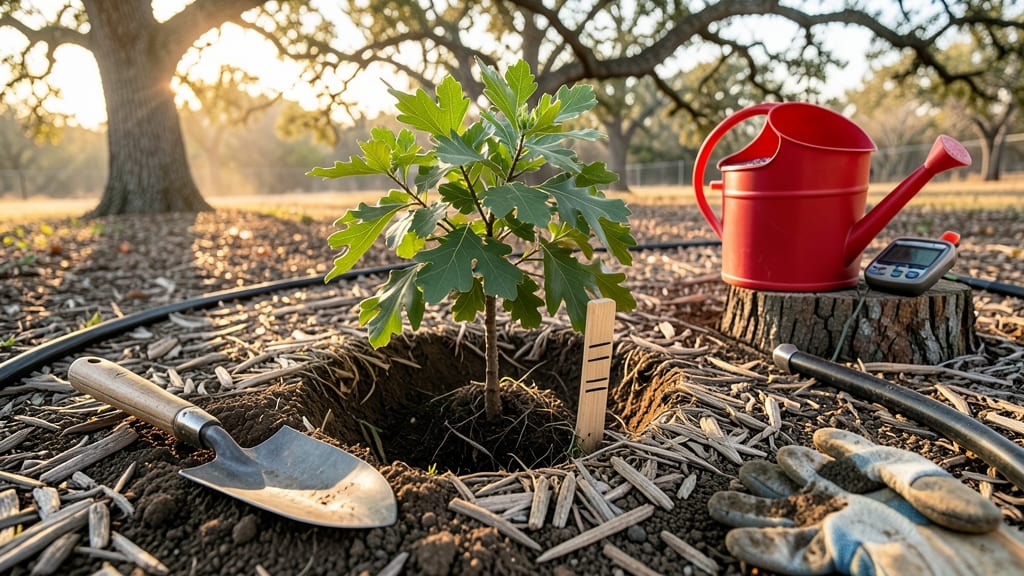
Planting a tree in Texas at the right time means the difference between a thriving shade provider and one that struggles through the heat.
Picture this: you’ve picked the perfect 🌳 for your yard—maybe a live oak for shade or a fruit tree for harvests—but if you plant it in the scorching summer months, its roots could bake before they even take hold.
That’s why timing is everything, especially in zones 6a-10a, where weather shifts dramatically from region to region.
Fall and early spring are your best bets, but the exact window depends on whether you’re in North Texas, where frosts linger into March, or South Texas, where the ground stays warm well into winter.
I’ll break down the ideal months by region, plus how to prep your soil and avoid the costly mistakes that leave trees gasping for air.
By the end, you’ll know exactly when to dig—so your tree gets a strong start and your landscape gets the long-term payoff you’re after.
Texas tree planting calendar: best months by region for success
Texas’s vast size means no one-size-fits-all planting schedule. From North Texas’s harsh winters to South Texas’s mild winters, timing matters. Planting at the right time ensures your tree establishes strong roots before facing extreme heat or frost. Let’s break down the best months by region to maximize survival and growth.
In North Texas (USDA Zones 7b-8a), frost lingers until late February, making fall (October-November) the safest window.
The cooler temps help roots grow before summer’s scorching heat. Central Texas (Zones 8a-8b) offers a slightly longer window, with September through November ideal for planting, while South Texas (Zones 9a-10a) can plant year-round but thrives in spring (February-March) or fall (September-October).
West Texas (Zones 7b-9a) is trickier due to dry heat and erratic rainfall. Here, fall (October-November) is critical—it gives roots time to establish before summer droughts. Avoid planting in summer (May-August) unless you’re using container-grown trees with established root systems.
Soil temperature is another key factor. For most trees, ideal soil temps range between 50°F and 70°F. In Texas, this typically aligns with fall and early spring. Use a soil thermometer to confirm—cool soil in spring or fall helps prevent transplant shock.
Now, let’s dive into the region-specific planting calendar to help you pick the perfect time for your tree.
For North Texas, prioritize fall planting to avoid the brutal summer heat.
If you must plant in spring, do it by mid-March before the heat peaks. Central Texas gardeners have a bit more flexibility but should still avoid summer’s oppressive heat. South Texas’s mild winters allow for year-round planting, but spring and fall are still ideal for most species.
In West Texas, where water is scarce, fall planting is non-negotiable. The cooler temps and occasional rains give young trees a fighting chance. Always mulch heavily (3-4 inches) to retain moisture and regulate soil temperature. For container-grown trees, plant anytime except during extreme heat or cold snaps.
Pro tip: Bare-root trees should only be planted in fall or winter when they’re dormant. Container-grown trees, however, offer more flexibility and can be planted almost year-round—just avoid the peak heat of July and August.
Always check the root flare (where roots meet the trunk) to ensure it’s above ground level.
Don’t forget to water deeply after planting—new trees need 10-20 gallons of water per watering to establish roots. In Texas’s dry climate, drip irrigation is a game-changer for young trees. Pair this with a 3-inch layer of mulch to lock in moisture and keep roots cool.
Timing your tree planting right in Texas isn’t just about the calendar—it’s about understanding your microclimate. Urban areas can be 5-10°F hotter than rural zones, so adjust accordingly. With the right timing and care, your tree will thrive and provide shade for decades to come. 🌳
How climate zones affect tree planting timing in Texas
Texas spans USDA hardiness zones 6a to 10a, meaning planting timing varies dramatically from the Panhandle’s cooler climate to South Texas’s subtropical heat. Understanding these zones helps you avoid planting during extreme heat or frost, which can kill young trees before they establish roots.
For example, North Texas (Zone 7b-8a) has later last frosts (mid-February), while South Texas (Zone 9a-10a) rarely sees frost at all.
In Zone 6a (Panhandle), plant trees in early spring (March-April) to beat frost, while Zone 10a (South Texas) allows planting year-round—but fall (October-November) is ideal to avoid summer’s scorching temperatures.
Microclimates, like urban heat islands in cities, can push zones 1-2 degrees warmer, making timing even more critical. Coastal areas also benefit from higher humidity, reducing transplant shock.
🌱
| USDA Zone | Best Planting Window | Key Climate Factor | Avoid Planting |
|---|---|---|---|
| 6a-7b (North Texas) | October-November (fall) or March-April (spring) | Frost risk until late March | June-August (extreme heat) |
| 8a-9a (Central Texas) | October-December (fall) or February-March (spring) | Hot summers, mild winters | May-July (drought stress) |
| 9b-10a (South Texas) | September-November (fall) or January-February (winter) | Humid, frost-free winters | April-June (hurricane season) |
| Urban Heat Islands (All Zones) | October-November (shifted 2 weeks earlier) | 10-15°F hotter than rural areas | June-September (heat stress) |
In urban areas, heat islands can raise soil temperatures by 10-15°F, making fall planting (October-November) even more critical. For example, a live oak in Austin (Zone 8b) should be planted in November to avoid summer’s 100°F+ soil temps, which can bake roots.
Meanwhile, coastal regions like Corpus Christi (Zone 9a) benefit from higher humidity, allowing year-round planting—but fall remains best for root establishment.
Another key factor is soil moisture. In West Texas (Zone 7b-8a), deep watering in fall ensures roots access groundwater before summer droughts. Conversely, East Texas (Zone 7b-9a) gets more rainfall, so spring planting (February-March) works well to avoid hurricane season flooding.
Always check local frost dates and rainfall patterns—they dictate whether you should plant early spring or late fall.
For container-grown trees, timing is slightly flexible, but avoid peak heat (June-August) regardless of zone. Bare-root trees, however, must be planted when soil temps are below 70°F—typically fall or early spring.
If you’re unsure about your zone, use the USDA Plant Hardiness Zone Map and adjust for microclimates like hillsides (cooler) or valleys (warmer).
Pro tip: Mulch heavily after planting to retain moisture and protect roots from temperature swings. In Zone 10a, mulch also blocks sunlight to prevent soil overheating. With the right timing, your tree will thrive—and Texas’s brutal climate won’t stand a chance. 🌳