Pests and Diseases
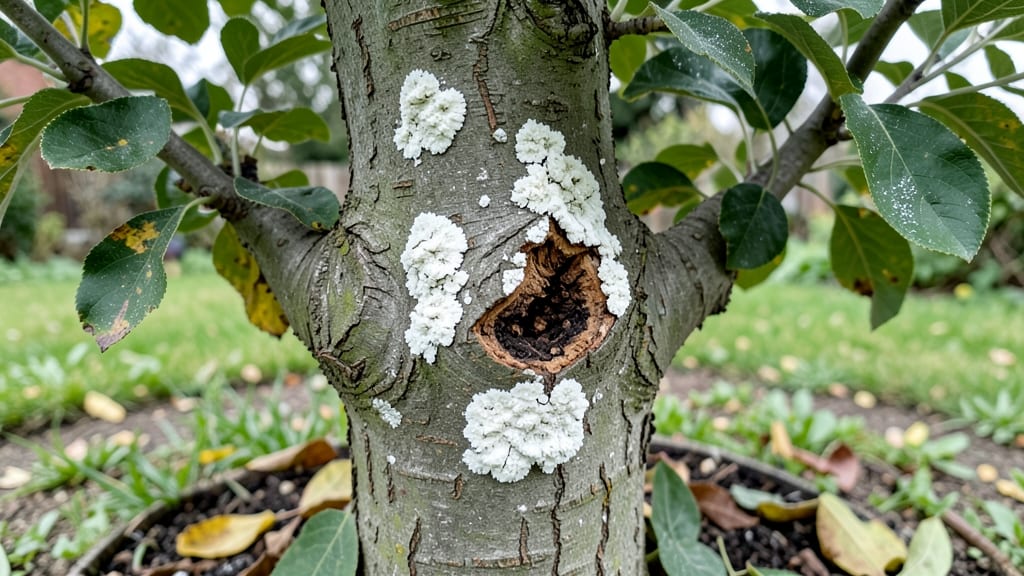
That chalky white fungus creeping up your apple tree bark isn't just unsightly—it could be apple scab or lichen, both of which weaken your tree if ignored. 🌳 I've seen this turn a healthy orchard into a shadow of its former self, but the good news?
Most cases respond well to simple, organic fixes once you know what you're dealing with. The problem starts with moisture—too much rain, poor drainage, or dense foliage trapping dampness creates the perfect breeding ground.
Lichen thrives in humid conditions, while apple scab spreads like wildfire when spores splash onto bark during wet springs. Both can stunt growth and reduce fruit quality if left unchecked.
Here's the game-changer: a mix of copper fungicide (for scab) and pruning to improve airflow can clear up most cases in 3-4 weeks. For lichen, scrubbing with a stiff brush and ensuring sunlight reaches the trunk works wonders.
The key is acting before the fungus spreads to branches or leaves. This isn't just about saving your tree—it's about protecting next year's harvest. Let's tackle this step by step so your apple tree stays strong and productive for seasons to come.
Root Causes of Bark Fungus
When you spot that creeping white fungus on your apple tree bark, it’s rarely just a random occurrence—it’s usually a sign of underlying stress or environmental factors that weaken the tree’s defenses.
Understanding these triggers is the first step to stopping the spread and restoring your tree’s health. Here’s what’s likely fueling the problem:
Fungal spores thrive in damp environments, and apple trees are especially vulnerable when their bark stays persistently wet. Heavy rainfall, poor drainage, or even overhead irrigation can create the perfect breeding ground for Stereum (a common white bark fungus) or other pathogens.
- Why it happens: Moisture softens the bark, making it easier for fungal hyphae (thread-like structures) to penetrate and establish colonies. If the tree’s bark stays damp for more than 24 hours, spores can germinate and spread rapidly.
- Actionable insight: Check for signs of waterlogging—soggy soil, standing water, or bark that feels damp to the touch. If your tree is in a low-lying area, consider improving drainage with mulch or a slight slope.
Apple trees need airflow to dry out quickly after rain or watering. When branches grow too densely or nearby structures (like fences or other trees) block airflow, moisture lingers, and fungi take hold.
- Why it happens: Stagnant air creates a humid microclimate against the bark. Fungal spores, carried by wind or splashing water, land on the surface and germinate faster in these conditions.
- Actionable insight: Prune back overcrowded branches to open up the canopy by at least 30%. Avoid planting dense shrubs or tall grass within 3–4 feet of the trunk.
Scratches, cracks, or wounds from pruning, hail, or pests create entry points for fungal invaders. Even minor damage can compromise the tree’s natural protective barrier, allowing spores to colonize beneath the surface.
- Why it happens: Healthy bark repels fungi, but injured tissue provides nutrients and a foothold. Fungi like Nectria or Botryosphaeria often exploit these weak spots, especially if the tree is already stressed.
- Actionable insight: Always sterilize pruning tools with rubbing alcohol between cuts to prevent spreading pathogens. Seal fresh wounds with a fungicide-pruner sealant (like Tanglefoot Tree Wound Pruning Sealer) within 24 hours.
Apple trees under stress—whether from heatwaves, frost, nutrient deficiencies, or poor soil health—produce weaker bark that’s more susceptible to fungal attacks. Stress signals often attract pests, which further damage the tree and invite fungi.
- Why it happens: Nutrient-deficient trees (especially low in potassium or calcium) have thinner bark and reduced resistance. Extreme temperature swings (e.g., sudden freezes or drought) also weaken cellular defenses.
- Actionable insight:
- Test your soil and amend it with compost or a balanced fertilizer (look for NPK ratios like 10-10-10).
- Mulch the base of the tree with 2–3 inches of organic mulch (like wood chips) to regulate soil temperature and retain moisture.
- Water deeply but infrequently to encourage deep root growth, reducing stress.
Fungal spores can hitchhike on tools, clothing, or even wildlife, jumping from one tree to another. If a neighboring tree (or even a fallen branch) is infected, your apple tree is at high risk.
- Why it happens: Spores are lightweight and travel easily. Once they land on a susceptible surface, they can lie dormant until conditions are right to germinate.
- Actionable insight:
- Inspect nearby trees for similar symptoms and treat them proactively.
- Clean tools with a 10% bleach solution (1 part bleach to 9 parts water) after each use.
- Avoid working on trees when they’re wet—spores spread more easily in damp conditions.
Pro Tip: 💡 If you’ve ruled out environmental factors, consider that the fungus might be a secondary invader. For example, white rot fungus often follows apple scab or powdery mildew. Treating the primary issue first can stop the bark fungus in its tracks.
How to Fix Fungal Bark Issues
Once you’ve identified the white fungus creeping up your apple tree’s bark, it’s time to act—before it weakens your tree or spreads to others. Below are targeted solutions based on the most common causes, from quick fixes to long-term prevention.
Follow these steps to restore your tree’s health and keep it thriving.
If soggy soil and excess moisture are the culprits, correcting watering habits is your first line of defense.
💦 Step 1: Adjust Your Watering Routine
- Water deeply but less frequently—aim for 1–1.5 inches per week (including rain).
Use a rain gauge or tuna can to measure. - Water at the base, not the leaves, to prevent fungal spores from splashing onto the bark. - Avoid overhead sprinklers, especially in the evening (fungi love dampness overnight).
🏗️ Step 2: Improve Soil Drainage
- Test your soil’s drainage by digging a 12-inch hole, filling it with water, and timing how long it takes to drain.
If it takes more than 6 hours, amend the soil. - Add organic matter: Mix in compost, coconut coir, or perlite to loosen heavy clay soils. - Consider raised beds if your yard is consistently waterlogged.
🌡️ Step 3: Mulch Properly
- Apply 2–4 inches of organic mulch (wood chips, straw) 3–4 inches away from the trunk to regulate moisture.
- Never pile mulch against the bark—this traps moisture and encourages rot.
If the white fungus is a pathogenic infection (like powdery mildew or bark mold), you’ll need fungicides and cultural controls.
🧴 Step 1: Prune Infected Areas
- Use sterilized pruning shears (wipe with rubbing alcohol between cuts).
- Remove and destroy heavily infected branches (don’t compost them—burn or bag them).
- Thin the canopy to improve airflow (fungi thrive in shady, humid conditions).
💊 Step 2: Apply Fungicidal Sprays
| Fungus Type | Recommended Treatment | Application Tips |
|---|---|---|
| Powdery Mildew | Neem oil, sulfur spray, or baking soda mix (1 tbsp baking soda + 1 tsp dish soap + 1 gallon water) | Spray early morning (avoid direct sunlight). Reapply every 7–10 days until symptoms disappear. |
| Bark Mold/Lichen | Copper fungicide (e.g., Bordeaux mixture) or hydrogen peroxide spray (3% solution) | Spray when leaves are dry; repeat 2–3 times with 1-week intervals. |
| Soft Rot (Advanced) | Systemic fungicide (e.g., Myclobutanil) + prune out dead wood | Follow label instructions—safety first! |
🌿 Step 3: Boost Tree Resilience
- Fertilize in early spring with a balanced, slow-release fertilizer (10-10-10 or organic options like fish emulsion).
- Avoid nitrogen-heavy fertilizers in late summer—they promote tender new growth that fungi love.
If sap-feeding insects (like aphids or scale) are causing honeydew buildup (which feeds fungus), target the pests first.
🐜 Step 1: Disrupt the Pest Cycle
- Spray with insecticidal soap or horticultural oil (e.g., Neem oil) to suffocate soft-bodied insects.
- Introduce beneficial insects: Ladybugs and lacewings devour aphids naturally.
- Prune out heavily infested branches to reduce egg-laying sites.
🧼 Step 2: Clean Up Honeydew
- Hose down the tree with a strong stream of water to wash away sticky residue.
- Apply a fungicide (like potassium bicarbonate) to prevent secondary fungal growth.
Stop the fungus from returning with these proactive strategies:
💡 Early Detection
- Inspect your tree every 2 weeks, especially after rain.
- Look for early signs: Yellowing leaves, white powdery spots, or black sooty mold.
🌡️ Climate Control
- Plant in full sun (apple trees need 6–8 hours of sunlight daily).
- Avoid planting near dense shrubs that trap moisture.
🧹 Sanitation
- Clean up fallen leaves and debris in autumn (fungi overwinter here!).
- Sterilize pruning tools between trees to prevent spread.
🌱 Tree Health Maintenance
- Water at the root zone, not the foliage.
- Avoid wounding the bark (use proper pruning techniques).
- Choose resistant varieties (e.g., ‘Liberty’ or ‘Enterprise’ apple trees are mildew-resistant).
If your tree shows:
- Large patches of dead bark (signs of advanced rot).
- Oozing sap or cankers.
- No improvement after 2–3 treatments.
A certified arborist can assess whether tree removal is necessary or if deep fungicide injections are needed.
Your apple tree can bounce back—with the right care, you’ll see healthier bark and stronger growth in just a few months. 🍏✨ Start today, and keep that fungus at bay!
Frequently asked questions
Is white fungus on apple tree bark always harmful?
Not all white growth is dangerous! Lichen is harmless and often indicates a healthy, mature tree with good airflow. However, fungal infections like apple scab or powdery mildew can weaken your tree. The key difference: lichen stays flat and crusty, while harmful fungi often appear fuzzy or spread rapidly. When in doubt, scrape a small patch—if it leaves a dark stain or oozes sap, it's likely a problem.
Can I use household items like vinegar to treat white fungus?
Yes, but with caution! A 1:1 vinegar-water mix (3% acetic acid) can help kill surface fungi when sprayed directly on infected bark. For best results, apply on a dry day and reapply every 7-10 days. Avoid using vinegar on stressed trees—it can burn the bark. For severe cases, combine with copper fungicide for stronger protection.
How soon will I see improvement after treating the fungus?
With proper care, you should notice changes within 2-3 weeks. New growth will appear healthier, and existing fungal patches may darken and fall off. For stubborn cases, consistent treatment over 4-6 weeks is key. Remember: prevention (like proper pruning and airflow) is just as important as treatment—healthy trees resist fungus better!
Will this fungus spread to my other fruit trees?
Absolutely—fungal spores travel easily through wind, water, and tools. To prevent cross-contamination, sterilize pruning tools between trees, avoid overhead watering, and remove infected leaves/debris immediately. If nearby trees show symptoms, treat them simultaneously. Some fungi (like apple scab) can even jump to pears and crabapples, so stay vigilant!
What's the best time of year to treat white fungus?
Early spring (just before buds swell) and late summer (after harvest) are ideal. These periods allow treatments to work before fungal spores become active. Avoid treating during extreme heat or drought—stressed trees heal slower. For organic solutions, neem oil works year-round, while copper fungicides are most effective when applied before rain.