
Trees
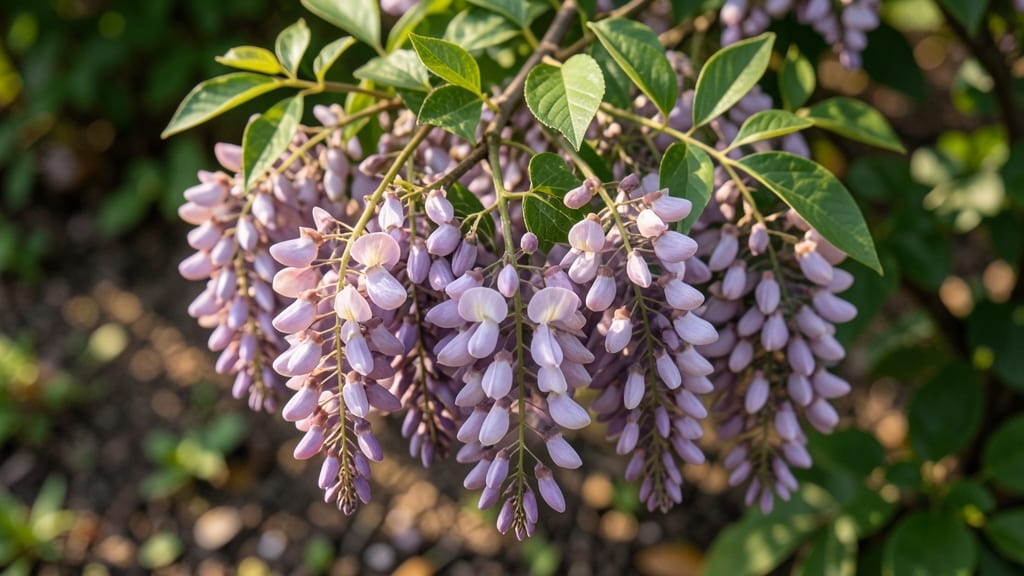
Transform your garden into a living tapestry with these 10 wisteria varieties, each offering unique colors, fragrances, and growth habits. Perfect for trellises, arbors, or pergolas, these climbing beauties deliver year-round interest and dramatic vertical appeal.
Japanese Wisteria (Wisteria floribunda)
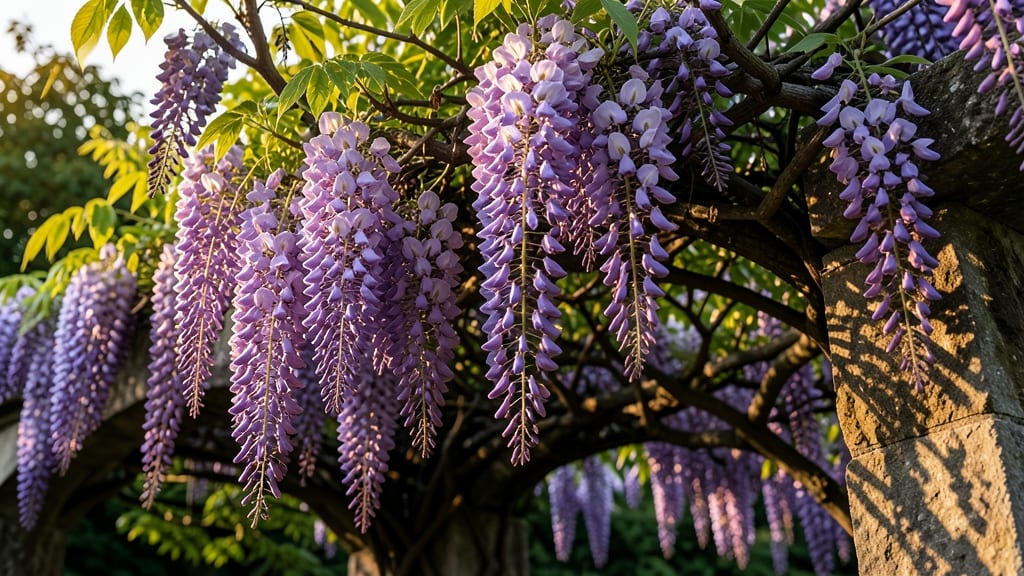
If you crave a garden feature that combines dramatic vertical drama with intoxicating fragrance, Japanese wisteria (Wisteria floribunda) is the undisputed star. Known for its lush purple cascades and heady scent, this vine is a showstopper—but only for gardeners ready to embrace its bold personality.
This aggressive climber thrives in full sun and needs a sturdy structure like a large arbor or pergola to support its weight. Plant it in well-draining soil and give it space—it can reach 30 feet or more if left unchecked. The key to success? Pruning in late winter to shape the vine and encourage abundant blooms in late spring.
Perfect for experienced gardeners with the space and patience to train it, Japanese wisteria rewards effort with months of fragrant blooms and a lush, romantic canopy. 🌟
Chinese Wisteria (Wisteria sinensis)
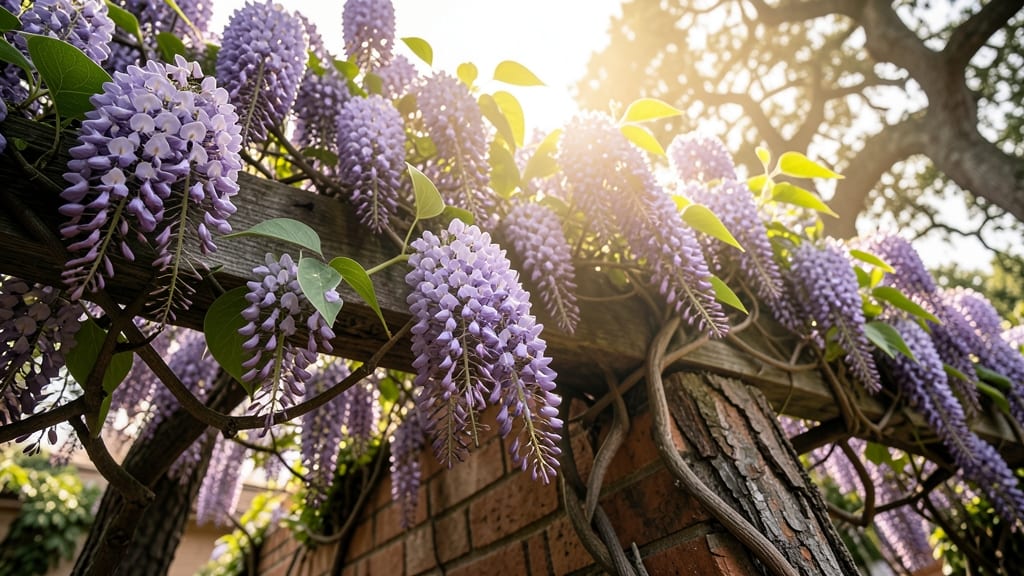
If you live in the Southern U.S. or an urban heat island, Chinese Wisteria (Wisteria sinensis) is your secret weapon for fast, fragrant beauty. Unlike its Japanese cousin, this variety handles heat and humidity with ease while producing denser lavender blooms that perfume the air for weeks.
This hardy climber grows aggressively (up to 30 feet per year with proper support) and thrives in USDA zones 5-9, making it perfect for trellises, pergolas, or even urban balconies. Its earlier blooming season (late spring) gives you a head start on color compared to Japanese wisteria. Just be prepared for its vigorous growth—regular pruning in late winter keeps it manageable.
City gardeners and small-space enthusiasts will love how this variety adapts to containers or limited vertical structures, while its drought tolerance makes it low-maintenance once established. 💚
Amethyst Falls Wisteria (Wisteria floribunda)
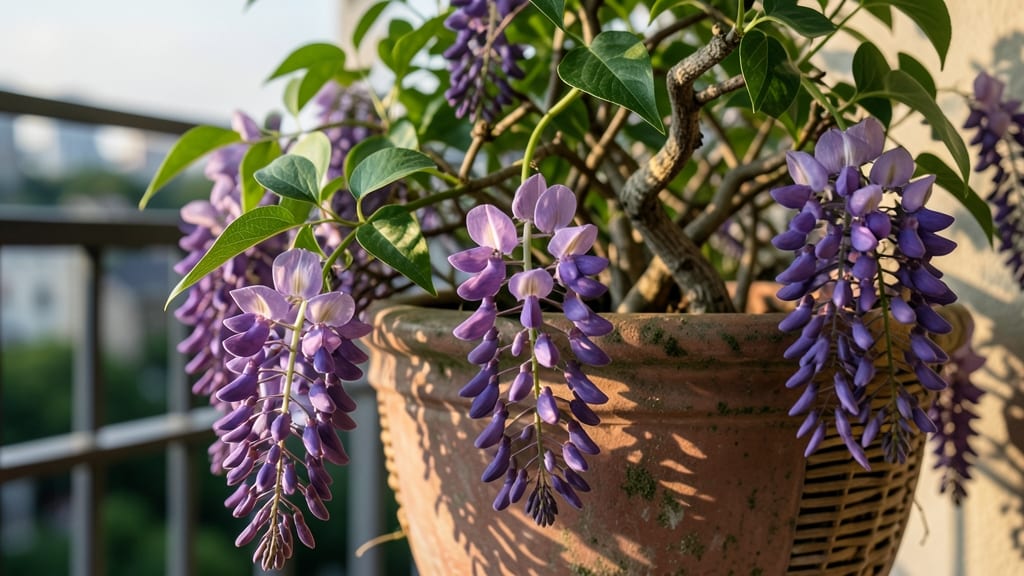
If you’ve ever dreamed of a wisteria’s dramatic beauty but lack the space for a full-sized vine, Amethyst Falls Wisteria is your answer. This dwarf variety of Wisteria floribunda delivers the same cascading purple blooms in a compact, container-friendly package—ideal for balconies, patios, or small gardens.
Growing just 3-5 feet tall, it thrives in USDA Zones 5-9 and prefers full sun to partial shade. Plant it in a large hanging basket or sturdy container with well-draining soil, and watch its fragrant flowers spill over edges by late spring. Prune lightly after flowering to maintain shape and encourage bushier growth.
Perfect for urban gardeners, renters, or anyone craving wisteria’s romance without the commitment, this variety proves big impact doesn’t require big space. 🌷
Blue Moon Wisteria (Wisteria floribunda)
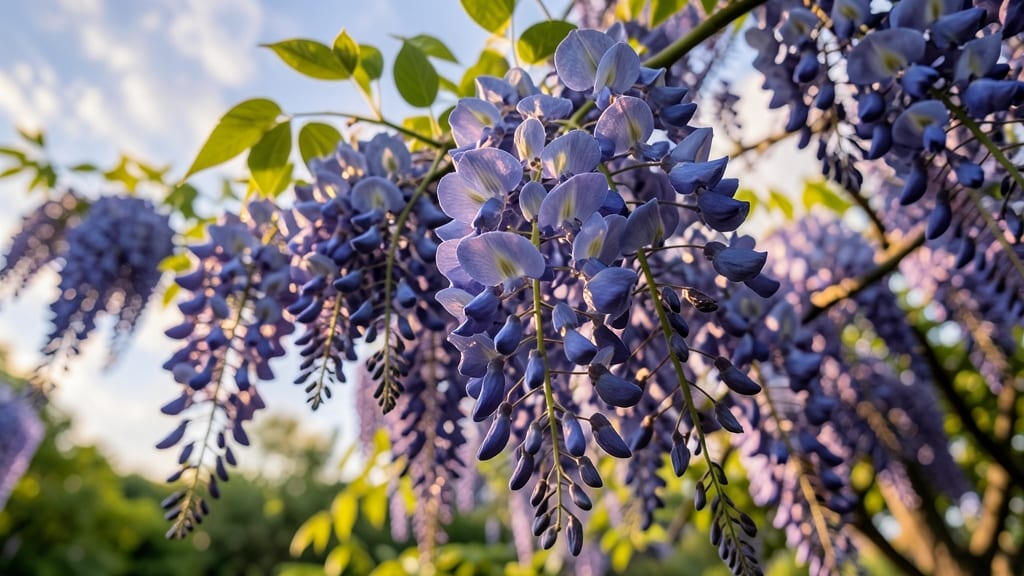
If you’ve ever dreamed of a wisteria with flowers that look like they’re straight out of a fairy tale, Blue Moon Wisteria delivers with its deep violet-blue blooms that shimmer in sunlight. This rare variety isn’t just visually stunning—its fragrance is so intoxicating that it’ll draw you into your garden every spring.
Unlike traditional purple wisterias, Blue Moon produces flowers with a subtle blue tint, making it a standout in any collection. It thrives in full sun to partial shade and requires a sturdy trellis or arbor to support its vigorous growth. The key to its success? Consistent moisture during the growing season and annual pruning in late winter to shape its growth and encourage abundant blooms.
Perfect for collectors, fragrance lovers, and gardeners who crave the extraordinary, this wisteria adds a touch of magic to any landscape. 🌟
Prolific Wisteria (Wisteria floribunda)
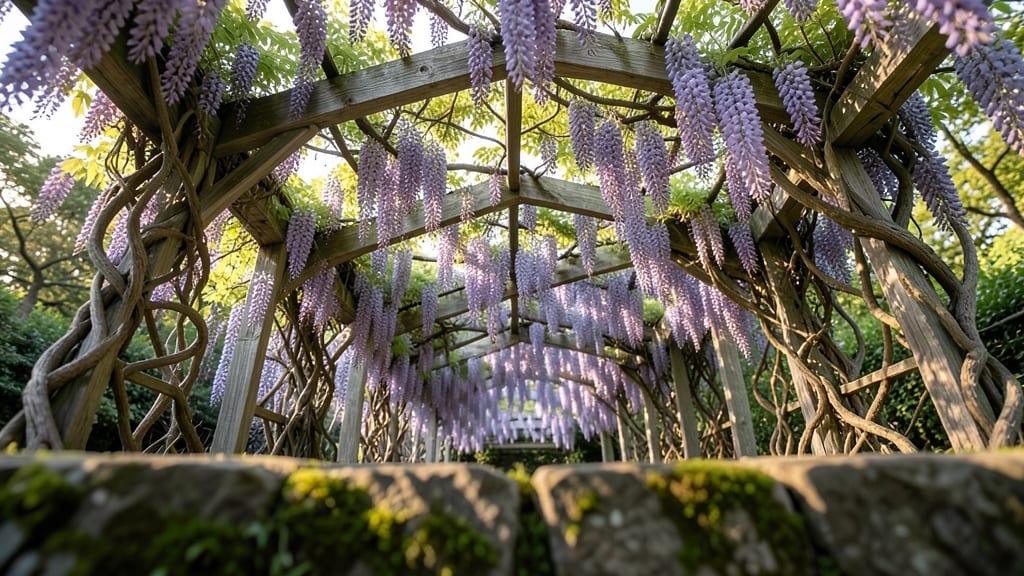
Want a garden feature that feels like stepping into a romantic Japanese painting? Prolific Wisteria delivers cascading 12-inch flower clusters that create a breathtaking floral curtain when trained along pergolas or arbors. Unlike other varieties, this one prioritizes sheer abundance over everything else.
Thriving in USDA zones 5-9, it demands consistent moisture but rewards you with fragrant lavender-purple blooms that appear earlier and last longer than most wisterias. The secret to its dramatic display? Prune aggressively in late winter to remove old wood while preserving 3-4 strong stems - this encourages new growth that will support those spectacular flower clusters.
Perfect for gardeners in temperate climates who want to make a statement without the maintenance of rare varieties. The visual impact alone makes it worth the effort! 🌻
Black Dragon Wisteria (Wisteria floribunda)
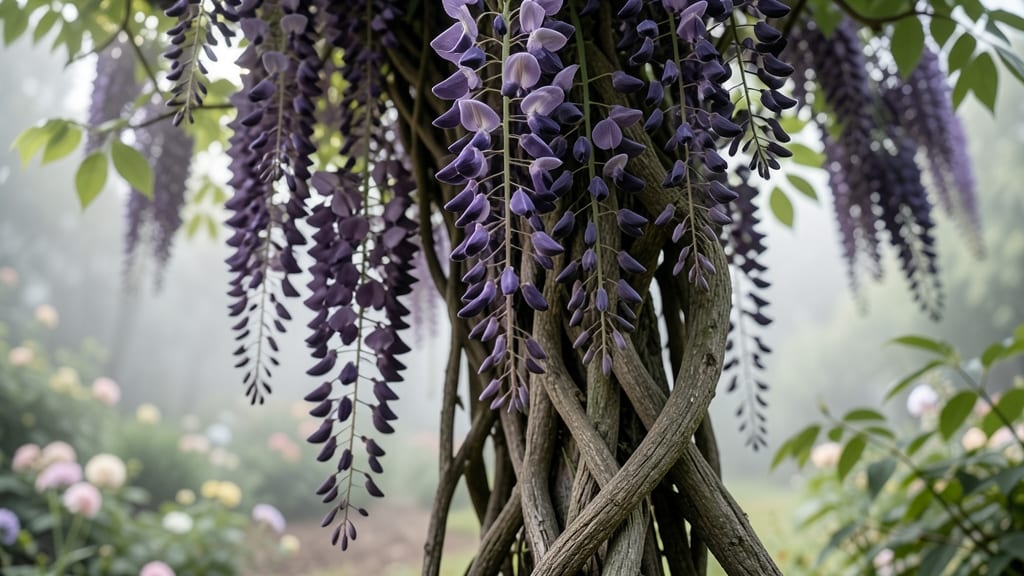
Looking for a wisteria that turns heads with its bold, almost mystical appearance? Black Dragon Wisteria delivers with its deep purple-black blooms that resemble velvet petals, creating a stunning contrast against lighter garden hues. Unlike traditional lavender varieties, this dramatic climber thrives in well-drained soil and offers year-round visual interest with its glossy, dark green foliage.
Plant it near stone walls or dark-colored structures to amplify its moody elegance, or pair it with silver-leaved plants for a striking color contrast. The fragrant flowers appear in late spring, but the rich foliage ensures your garden stays captivating year-round. This variety is ideal for gardeners who want to make a bold statement without sacrificing hardiness—just be prepared for its vigorous growth habits. 💚
Royal Purple Wisteria (Wisteria sinensis)
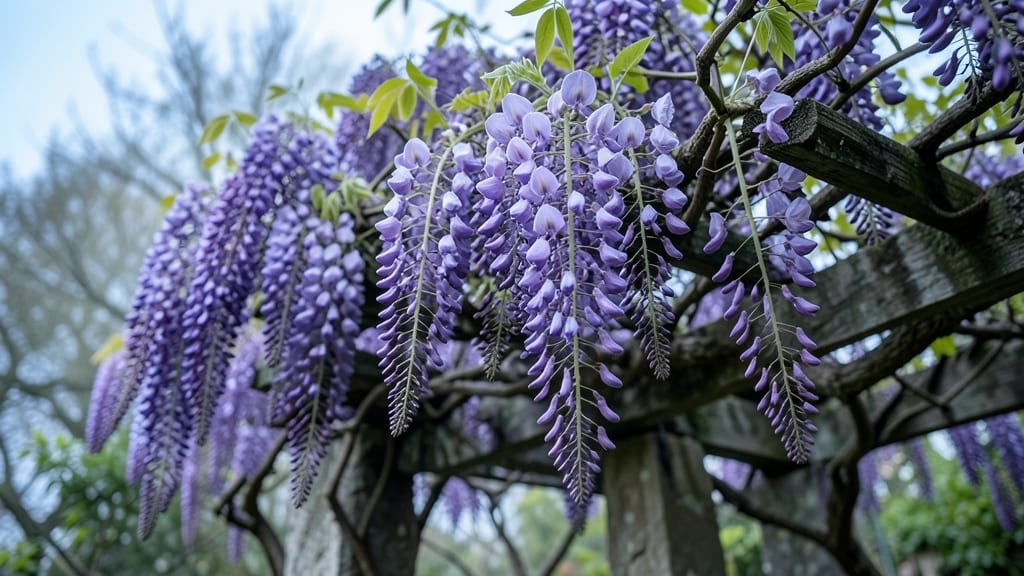
If you love early spring color and cooler climates, Royal Purple Wisteria is your perfect match. Unlike many varieties that wait until summer, this Wisteria sinensis variety bursts into deep purple blooms as early as late April in USDA zones 5-8, giving you weeks of floral advantage.
Its vigorous growth habit means it can climb 15-20 feet per year when properly supported, making it ideal for large trellises or pergolas. The fragrant blooms appear on last year's wood, so winter pruning is key—cut back old growth in late winter to encourage new flowering stems. This variety thrives in full sun but tolerates partial shade better than most wisterias.
Gardeners in cooler northern regions will appreciate its earlier bloom time, while those seeking extended seasons can enjoy its second flush of flowers in late summer. Perfect for creating dramatic vertical accents without the late-season bloom wait. 🌟
Alba Wisteria (Wisteria floribunda)
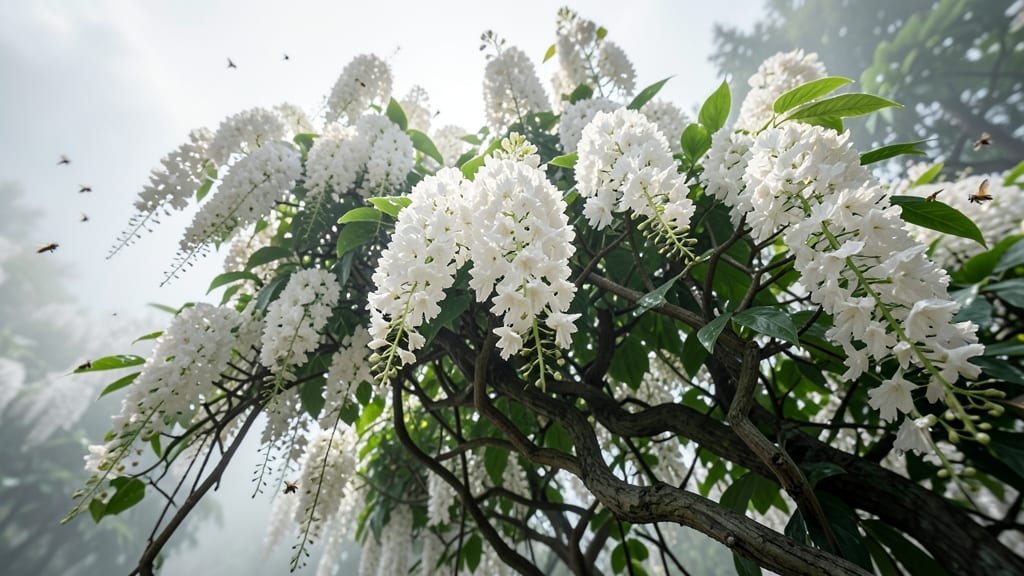
Craving a garden that feels like a storybook? Alba Wisteria delivers dreamy, cloud-like white blooms that create a romantic atmosphere while drawing in bees and butterflies with its sweet fragrance. This variety’s pale petals contrast beautifully against its deep green, glossy foliage, making it a standout focal point.
Plant Alba Wisteria in full sun to partial shade, where it will thrive with moderate watering and well-drained soil. Unlike some varieties, it blooms reliably in late spring, offering a pure, elegant display that pairs perfectly with dark foliage plants like hostas or heucheras. Its climbing habit makes it ideal for arbors, pergolas, or trellises.
Perfect for gardeners who love soft, ethereal colors and want to support pollinators, this variety adds a touch of whimsy without the boldness of purple blooms. 🌷
Longissima Wisteria (Wisteria floribunda)
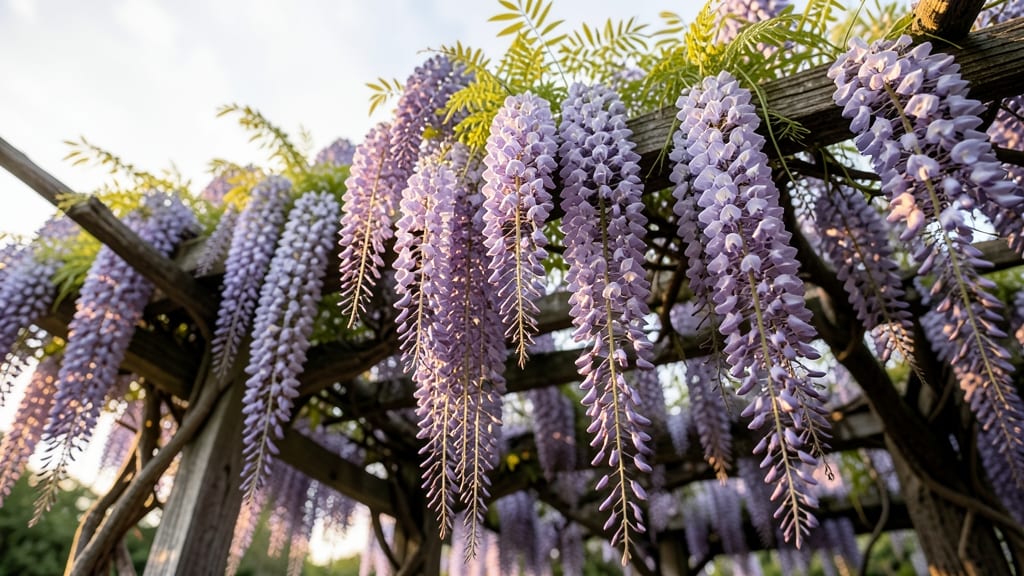
If you dream of a garden feature that feels like a living waterfall of flowers, Longissima Wisteria delivers with its exceptionally long flower spikes—often reaching 12-18 inches in length. This variety turns any vertical structure into a dramatic focal point, perfect for large gardens where you want to make a statement.
To keep it thriving, plant in full sun (6+ hours daily) with well-drained soil, and provide a sturdy trellis or arbor to support its vigorous growth. Prune annually in late winter to shape the vine and encourage more abundant blooms next season. The fragrant lavender-purple flowers appear in late spring, creating a breathtaking cascade that lasts for weeks.
This variety is ideal for landscape designers or homeowners with spacious gardens who want to create a dramatic vertical display that draws the eye. 🌻
Dwarf Wisteria (Wisteria brachybotrys)

If you’ve ever dreamed of wisteria’s fragrant beauty but lack the space for sprawling vines, dwarf wisteria (Wisteria brachybotrys) is your perfect solution. Unlike its aggressive cousins, this variety stays neatly contained while still delivering those signature lilac-scented blooms that perfume the air in spring.
Growing just 6–10 feet tall (versus 20+ feet for standard wisterias), it thrives in partial shade—ideal for patios, balconies, or small garden beds. Plant it in a large container with well-draining soil and a sturdy trellis, and enjoy blooms in just 2–3 years. Its compact size makes it beginner-friendly, with minimal pruning required compared to larger varieties.
Perfect for urban gardeners, renters, or anyone short on space, this wisteria brings the romance of climbing vines without the commitment. 🌿