
Pruning
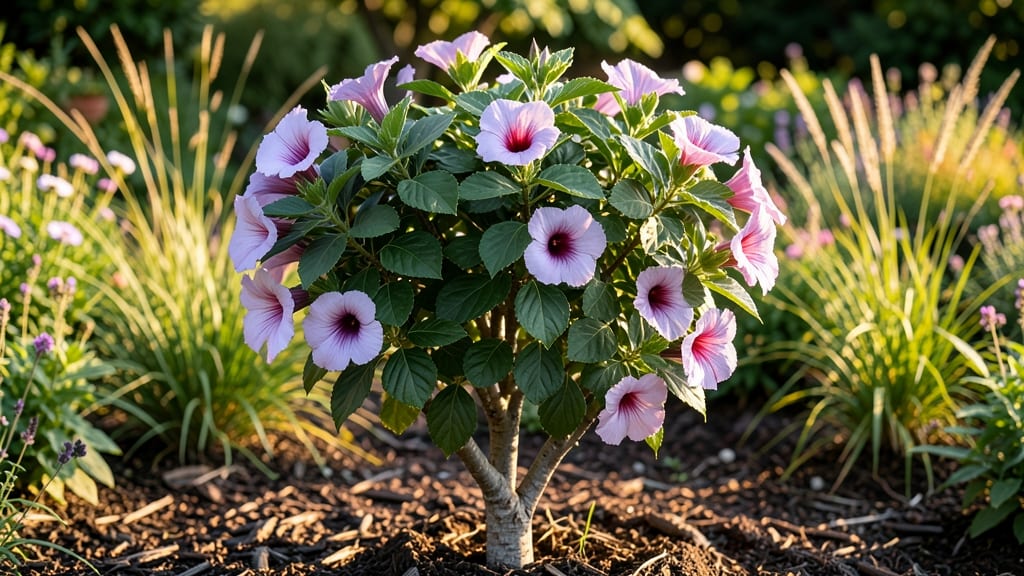
Shaping an Althea Tree 🌳 into its iconic rounded form is easier than you think—and the results are a showstopper in any garden layout.
Picture this: a wild, leggy shrub transformed into a perfectly balanced umbrella of blooms, year after year. The key isn’t just when you prune, but how you guide its growth from the start.
Too many gardeners skip the early shaping steps, ending up with a lopsided mess instead of the elegant structure you envisioned.
In USDA Zone 6a, timing matters most—late winter or early spring is your window to shape the branches before new growth kicks in. With the right cuts and spacing, you’ll encourage that lush, rounded canopy while keeping the plant healthy and strong.
No more guessing: I’ll walk you through the exact techniques that work, even for beginners.
Ready to turn your Althea into a garden centerpiece? You’ll learn how to prune for that umbrella shape**, avoid common mistakes, and keep it looking flawless through every season—no green thumb required.
How to prune Althea trees for an umbrella shape: step-by-step guide
Your Althea tree (Hibiscus syriacus) can transform from a wild shrub into a majestic umbrella-shaped garden statement with the right pruning techniques. The key lies in understanding its natural growth patterns and applying seasonal cuts that encourage a balanced, rounded canopy.
Unlike many shrubs, Althea thrives when you guide its structure rather than force it into rigid shapes.
Many gardeners struggle because they prune at the wrong time or cut too aggressively. The umbrella form requires patience—you're shaping the tree's future growth, not just trimming back what's already there.
I’ve pruned my own Althea for years, and I’ve learned that timing, tool selection, and strategic cuts make all the difference between a lopsided mess and a showstopping focal point.
🌳
- 1 Choose the Right Season: Prune in late winter (February-March) before new growth begins. Avoid pruning in fall or winter when the plant is dormant.
- 2 Gather Your Tools: Use sharp bypass pruners for small branches, loppers for thicker stems, and gloves to protect your hands. Disinfect tools with rubbing alcohol to prevent disease spread.
- 3 Remove Dead or Weak Wood: Start by cutting out dead, diseased, or crossing branches at their base. This opens up the center for better airflow and light penetration, which is crucial for the umbrella shape.
- 4 Shape the Canopy: Cut back 1/3 of the oldest branches to the ground to encourage new growth from the base. For the remaining branches, trim outer growth to create a rounded silhouette.
- 5 Encourage New Growth: After pruning, apply a balanced fertilizer (10-10-10) to stimulate new shoots. Focus on the outer edges of the plant to fill in gaps and maintain the rounded form.
- 6 Light Summer Pruning: In summer (June-July), do a quick trim to remove any overly long or leggy growth. This keeps the shape refined and prevents the plant from becoming top-heavy.
- 7 Protect in Winter: If you're in a cold climate (USDA Zone 5 or lower), wrap the base with burlap or mulch to protect roots. Avoid heavy pruning in winter, as the plant needs energy reserves for spring growth.
One of the biggest mistakes I see is pruning too late in the season, which can stimulate new growth that won’t harden off before winter. Always aim to finish major pruning by early March in most climates.
If you live in a warmer zone, you might extend this to April, but never wait until summer.
Another common error is cutting branches at the wrong angle. Always make cuts just above a bud or lateral branch at a 45-degree angle. This encourages the plant to grow outward rather than inward, which is essential for that rounded umbrella effect.
I like to visualize the final shape before I start cutting—imagine a perfect dome and work backward.
For young Althea trees (under 3 years old), focus on establishing a strong structure. Remove any competing central leaders and encourage 3-5 main branches to form the base of your umbrella. In older trees, you’ll spend more time thinning out dense areas and
Best pruning tools and maintenance tips for Althea tree form
To maintain your Althea tree's iconic umbrella shape, the right pruning tools and seasonal care are essential. I’ve pruned my own Hibiscus syriacus for years, and these tools make the difference between a wild shrub and a showstopping garden feature.
Let’s start with the basics: clean cuts and the right gear keep your tree healthy and structured.
Your pruning toolkit should include bypass pruners for small branches, loppers for thicker stems, and sharp pruning saws for larger limbs. Don’t forget gloves to protect your hands from thorns and sap.
I always sanitize my tools with rubbing alcohol between cuts to prevent disease spread—a habit that’s saved my trees from fungal infections.
| Tool/Method | Best For | Maintenance Notes |
|---|---|---|
| Bypass Pruners | Small branches (<1/2 inch) | Keep blades sharp; oil annually |
| Loppers | Medium branches (1/2-1.5 inch) | Check pivot point for smooth action |
| Pruning Saw | Thick limbs (>1.5 inch) | Replace blades when teeth dull |
| Neem Oil Spray | Organic pest control | Apply at dusk; repeat weekly |
| Systemic Fungicide | Disease prevention | Use sparingly; follow label |
For pest and disease threats, I’ve found organic neem oil works wonders against aphids and powdery mildew without harming beneficial insects. If your tree faces severe infestations, a systemic fungicide can be a last resort—but I only use it when organic methods fail.
Always monitor for leaf spots or unusual wilting, as these are early signs of trouble.
In colder climates (USDA Zone 6a), winter protection is key. I wrap the base of my Althea tree with burlap and add a thick layer of mulch to insulate roots.
For young trees, a tree guard helps prevent rodent damage. Prune lightly in late winter (just before buds swell) to shape the tree without stressing it during dormancy.
Long-term, the secret to maintaining that umbrella form is consistent pruning every 2-3 years. I remove one-third of old wood annually to encourage new growth at the base. This keeps the tree full and prevents leggy branches.
Pair this with regular watering (deep soaks weekly) and balanced fertilizer (10-10-10 in spring), and your Althea will reward you with vibrant blooms and perfect structure.
Remember, the goal is to guide growth, not force it. With the right tools and a little patience, your Althea will become the garden’s centerpiece for decades. Happy pruning! 🌳