
Pruning
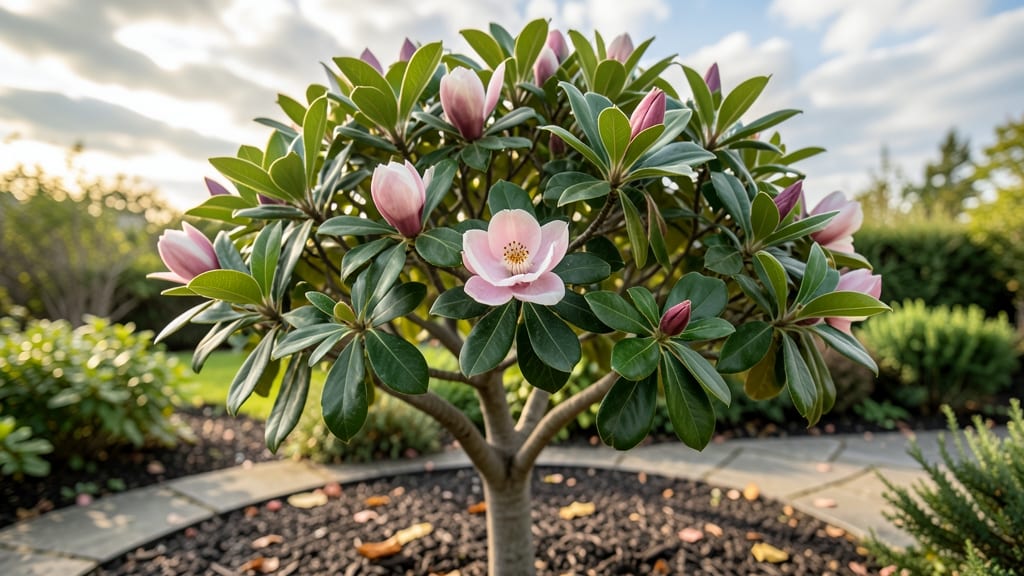
The care of an ann magnolia tree (Magnolia × soulangeana) transforms your yard with fragrant blooms—but its beauty depends on smart pruning. ✂️ I’ve pruned mine for years, and the difference between a leggy mess and a showstopper comes down to timing, technique, and a few key secrets most gardeners miss.
Start by planting in full sun to partial shade with well-draining soil—this tree thrives where others struggle. The real magic happens in late winter or early spring, just as buds swell but before leaves emerge.
Cut back dead, crossing, or weak branches first, then shape the canopy by removing 10-20% of the oldest growth to encourage new blooms. Avoid heavy pruning after summer—you’ll sacrifice next year’s flowers.
By summer, your tree should be bursting with glossy foliage and clusters of pink or white blooms, smelling like a spring festival. The key is light, strategic cuts—never more than a third of the canopy at once.
Mulch around the base to retain moisture, and water deeply once a week during dry spells. Pests are rare, but watch for scale or aphids; a strong spray of water usually clears them.
This tree rewards patience—first blooms appear in 3-5 years, but once established, it’s a low-maintenance star. Whether you’re shaping a young sapling or rejuvenating an overgrown specimen, these steps keep your Ann magnolia healthy, blooming, and the envy of the neighborhood. Ready to prune like a pro?
📚 In This Guide
- What you need
- Instructions
- Tips and common mistakes
- Wrapping up and next steps
What you need
- ● Pruning shears: Bypass pruners (sharp, 5–8" blades) for small branches.
- ● Loppers: 18–24" bypass loppers for thicker branches (up to 2" diameter).
- ● Pruning saw: Curved-tooth saw for branches 2–4" thick.
- ● Disinfectant: 70% isopropyl alcohol or 10% bleach solution (1 part bleach to 9 parts water) to sterilize tools.
- ● Gloves: Heavy-duty, cut-resistant gloves (gardening or pruning-specific).
- ○ Pruning sealant: Optional but helpful for larger cuts (e.g., Tanglefoot Tree Wound Pruning Seal).
- ● Ladder or step stool: Sturdy, extendable (if tree exceeds 6–8 feet).
- ● Trash bags: Heavy-duty bags (10–20 gallon) for debris disposal.
- ● Marking twine or flags: For tagging branches to prune (if planning ahead).
- ● Hand saw: For stubborn, oversized branches (3"+ diameter).
- ● Tree pruning rope: For lowering heavy branches safely.
- ● Pole pruner: Extendable for high branches (10–15 feet).
- ● Compost bin: To recycle small pruning debris into nutrient-rich compost.
- ● Safety goggles: Protects eyes from debris or sap splatter.
- ● Timing: Prune after flowering (late spring/early summer) or in dormant season (late winter)—avoid pruning during active bloom.
- ● Weather: Choose a dry, overcast day to reduce sap flow and fungal risks.
- ● Tree health check: Inspect for pests/diseases (e.g., magnolia scale) before pruning.
- ● Local regulations: Check if your area requires permits for large-scale pruning.
Step-by-Step guide to pruning Ann magnolia trees
Here's how to keep your Ann magnolia thriving with strategic pruning that preserves those stunning blooms.
✂️ Step 1: Time Your Pruning for Optimal Growth
Prune your Ann magnolia immediately after flowering in late spring—this ensures you don’t remove next year’s blooms, which form on old wood. Avoid pruning in fall or winter, as the tree needs its full foliage to store energy for spring growth. If you must prune for safety (like removing dead branches), do it in early spring before buds swell.
Watch for the tree’s natural cycle: when 90% of blooms have fallen, that’s your cue. The tree will look lush but slightly ragged—this is the perfect moment to shape it without sacrificing flowers. I always mark the branches I’ll trim with colored tape first to visualize the final shape.
✂️ Step 2: Remove Dead, Diseased, or Weak Wood First
Start by cutting out any dead, diseased, or crossing branches—these compete for resources and can invite pests. Use clean, sharp pruning shears to make cuts just outside the branch collar (the swollen area where the branch meets the trunk). For larger branches over ½ inch thick, switch to a pruning saw to avoid tearing the bark.
Look for branches that rub against each other or grow inward—they’ll eventually split or block light. Remove these first, as they’re the easiest fixes and won’t affect the tree’s flowering. If you spot mushroom-like growths or oozing sap, that branch is diseased and must go immediately to prevent spread.
✂️ Step 3: Thin the Canopy for Airflow and Light
Ann magnolias thrive with open, airy canopies, so aim to remove 20-30% of the smallest branches to improve airflow and sunlight penetration. Focus on branches growing toward the center of the tree—these create dense, shaded areas that encourage fungal growth. Use your shears to trim back to a healthy outward-facing bud or lateral branch.
Step back often to assess balance. You’ll notice the tree’s natural shape emerge as you remove competing growth. Avoid "lion’s tailing" (cutting branches back to a stub)—this stresses the tree and leaves ugly stubs. Instead, cut just above a bud that faces outward to encourage fuller growth.
☀️ Step 4: Shape for Structure and Future Blooms
Now’s the time to refine the tree’s form. Ann magnolias have a pyramidal growth habit, so encourage this by pruning branches that grow too upright or sprawling. Cut back overly long branches by ⅓ to promote bushier growth. For a more rounded look, trim the outer edges slightly to soften the silhouette.
Pay special attention to water sprouts (fast-growing, vertical shoots)—these steal energy from flowering. Snip them off at the base. If the tree has become top-heavy, reduce the weight by thinning branches from the upper third. This prevents storm damage and keeps the tree stable.
🌿 Step 5: Clean Up and Monitor for Recovery
After pruning, sterilize your tools with rubbing alcohol to prevent spreading disease. Rake up and dispose of all clippings—don’t compost them, as fungal spores may linger. Water the tree deeply to help it recover, especially if you’ve made large cuts over 1 inch thick (these can create entry points for pests).
In the weeks following, watch for new growth at the pruning sites—this signals the tree is healing. If you see yellowing leaves or wilting, the cuts may be too severe, and the tree is stressed. Adjust future pruning to be gentler. Over time, your Ann magnolia will reward you with even more abundant blooms and a stronger structure.
Tips & tricks for perfect Ann magnolia tree pruning
These pruning secrets will help you maintain your Ann magnolia's health and maximize those breathtaking spring blooms.
Timing is Everything: The late spring timing (after 90% of blooms have fallen) is critical because Ann magnolias form next year's flower buds on old wood. If you prune too late, you risk removing potential blooms. I've seen gardeners accidentally prune away entire flower clusters by waiting too long—don't make that mistake! Mark your calendar right after your tree finishes blooming to ensure you catch that perfect window.
Visual Cues for Pruning: When thinning the canopy in Step 3, look for branches that grow directly toward the center of the tree—these are your targets for removal. The goal is to create an open, airy structure that resembles an upside-down cone. Step back frequently to visualize the tree's natural shape emerging. This isn't just about aesthetics; proper airflow prevents fungal diseases that can plague dense canopies.
Pruning Technique Matters: Always make clean cuts just outside the branch collar (that swollen area where branches meet the trunk) to promote proper healing. For larger branches over ½ inch thick, use a pruning saw to avoid tearing the bark. I learned this the hard way when a jagged cut led to a fungal infection—now I always inspect my tools and make precise cuts. Remember, the cleaner the cut, the faster the tree can seal itself and heal.
Recovery Care: After pruning, especially when making cuts over 1 inch thick, give your tree a deep watering to help it recover. Monitor for new growth at the pruning sites within a few weeks—this is your sign that the tree is healing properly. If you notice yellowing leaves or wilting, it's a clear indication the cuts were too severe, and you'll need to adjust your approach for next time.
Pro Tips for Ann Magnolia Tree Care
- These pruning secrets will help you maintain your Ann magnolia's health and maximize those breathtaking spring blooms.
- Timing is Everything: The late spring timing (after 90% of blooms have fallen) is critical because Ann magnolias form...
- Visual Cues for Pruning: When thinning the canopy in Step 3, look for branches that grow directly toward the center o...
Frequently asked questions
about caring for your Ann Magnolia tree—because even pros need a little guidance! Here’s what you’ve been wondering:When is the best time to prune my Ann Magnolia tree?
The ideal time to prune is late winter or early spring (just before buds swell) to avoid removing next year’s blooms. Avoid heavy pruning after mid-summer, as this can reduce flowering. Light shaping can be done anytime, but never prune during fall—it stresses the tree and invites disease.
How much can I prune my Ann Magnolia without hurting it?
Ann Magnolias tolerate moderate pruning—up to 25-30% of the canopy if needed. Avoid over-pruning; these trees bloom on old wood, so aggressive cuts can reduce flowers. Focus on removing dead, crossing, or weak branches first. For heavy pruning, spread it over 2-3 years to minimize stress.
Why are my Ann Magnolia leaves turning yellow or dropping?
Yellowing leaves often signal overwatering, root rot, or nutrient deficiencies. Check soil moisture—Ann Magnolias hate soggy roots! If leaves curl or drop suddenly, it could be magnolia scale or fungal issues. Treat with neem oil (for pests) or fungicide (for mildew) if needed. Adjust watering to 1-2 inches per week (less in winter).
Will pruning my Ann Magnolia reduce its spring blooms?
Not if done correctly! Prune after flowering to preserve next year’s buds. Avoid cutting back old wood (thick, woody branches)—these hold flower buds. Focus on thinning out dense growth and removing water sprouts (shoots growing upward from the trunk). With proper timing, your tree should still burst with blooms!
Can I grow an Ann Magnolia in a container, or does it need to be planted in the ground?
Ann Magnolias prefer permanent ground planting due to their size (15-25 ft tall) and deep root systems. However, young trees (3-5 years old) can thrive in large containers (20+ gallons) for a few years. Use well-draining soil and repot every 2-3 years. Just know: container-grown magnolias bloom less than in-ground specimens.
Wrapping up and next steps
Caring for your Ann Magnolia tree doesn’t have to be overwhelming—with the right pruning techniques and seasonal attention, you’ll enjoy stunning blooms and robust health year after year! 🌸 From shaping in late winter to protecting against pests, these secrets will keep your tree thriving.
Now’s the perfect time to roll up your sleeves and give your magnolia the love it deserves.
Ready to take action? Grab your tools, review your notes, and schedule your next pruning session—your tree (and future spring blooms!) will thank you. Happy gardening! 🌿✨