
Flowers
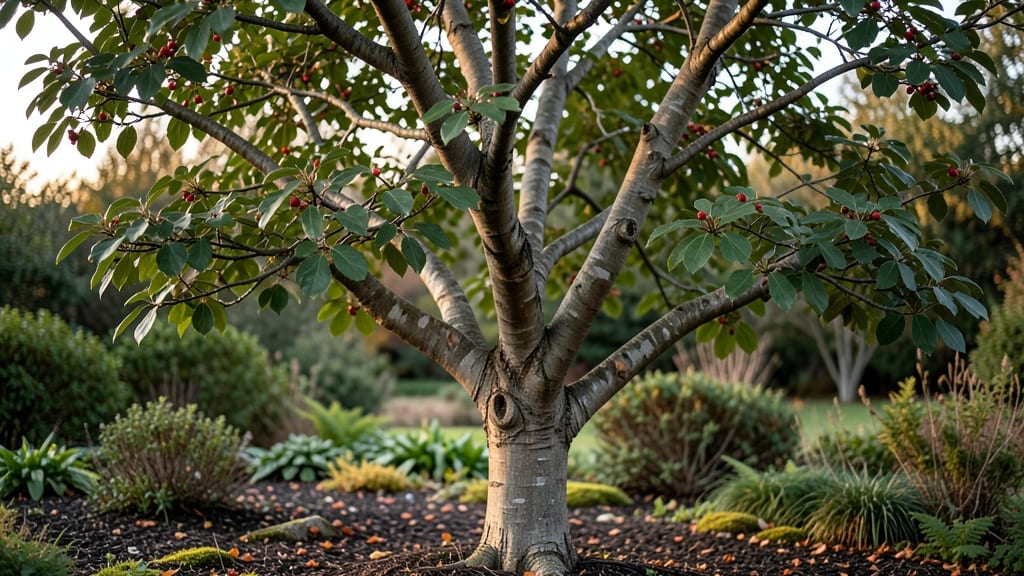
A dogwood tree without flowers feels like a quiet betrayal after years of waiting for those iconic spring blooms. 🌸 The good news? Most cases aren’t permanent—just miscommunication between the tree and its environment.
Whether it’s overpruning, nutrient starvation, or a hidden pest problem, we’ll pinpoint the real issue and get those buds back on track.
First, rule out the obvious: age matters. Young trees focus on growth, not flowers, while mature ones may need a wake-up call after years of neglect. Then check the basics—watering too much or too little, soil that’s compacted or lacking nutrients, or shade that’s too heavy.
My own dogwood finally bloomed again after I swapped heavy mulch for compost and trimmed back competing shrubs.
Pruning isn’t the villain—done right, it’s the key to reviving blooms. We’ll show you exactly where to cut (and where to leave alone) to encourage next year’s flowers while keeping the tree healthy. The payoff? A canopy bursting with blooms by spring, just like the postcard-perfect dogwoods you’ve always admired.
This works for both flowering and non-flowering varieties, whether your tree is in full sun or dappled shade. Let’s get those buds talking again—your tree’s got this, and so do you.
Root Causes of Missing Blooms
A dogwood tree without flowers can feel like a missed spring promise—but don’t despair! 🌸 Understanding the why behind the absence of blooms is the first step to revival. Below, we break down the most common culprits, backed by science, so you can diagnose and act with confidence.
Dogwoods (Cornus florida) are sun-worshippers, thriving in full sun to partial shade (6–8 hours of direct sunlight daily). When deprived of light, the tree diverts energy to survival rather than flowering.
- Why it happens: Low light triggers reduced photosynthesis, limiting the tree’s ability to produce floral buds. Shady spots (like under dense canopies or north-facing walls) starve the tree of the energy needed for blooms.
- Actionable fix:
- 🔍 Assess your tree’s location: If it’s in deep shade, consider transplanting to a sunnier spot (best done in early spring or fall).
- 🌿 Thin nearby foliage: Prune overhanging branches from taller trees to increase light exposure.
- ⏳ Be patient: It may take 1–2 seasons for the tree to adjust and rebloom.
Dogwoods bloom on old wood (last year’s growth), so aggressive or wrong-season pruning can remove next year’s flower buds before they form.
- Why it happens:
- 🌿 Late-winter pruning (Feb–March): Buds form in late summer to early fall. Pruning too early can cut off potential blooms.
- 🔪 Over-pruning: Removing more than 25% of the canopy at once stresses the tree, redirecting energy away from flowers.
- 🍃 Pruning after blooming: Trimming immediately after flowers fall risks removing next year’s buds.
- Actionable fix:
- ⏰ Prune at the right time: Wait until after flowering (late spring to early summer) or dormant season (late fall).
- 🎯 Focus on dead/diseased wood: Remove only sick branches—never healthy ones—unless necessary for shape.
- 🌱 Avoid topping: Never cut back to a stub; this encourages weak, non-flowering growth.
Dogwoods need consistent moisture—too much or too little water disrupts bud formation and flowering.
- Why it happens:
- 💦 Drought stress: Dogwoods have shallow roots and dry out quickly in hot weather. Water deficits trigger abscission (bud drop) before blooming.
- 🌧️ Overwatering or poor drainage: Soggy soil leads to root rot (Phytophthora fungi), which weakens the tree and prevents energy allocation to flowers.
- Actionable fix:
- 💧 Deep, infrequent watering: Water 1–2 inches per week (more in extreme heat). Use a soaker hose to encourage deep root growth.
- 🌍 Mulch properly: Apply 2–3 inches of mulch (wood chips or bark) around the base, but keep it 6 inches away from the trunk to prevent rot.
- 🚰 Check drainage: If your soil is clay-heavy, amend with compost or sand to improve aeration.
Fungal infections and pests like powdery mildew, anthracnose, or borers can weaken a dogwood, reducing its ability to produce flowers.
- Why it happens:
- 🍄 Anthracnose (Colletotrichum): A common fungal disease that causes leaf spots and defoliation, starving the tree of energy for blooms. Thrives in wet, humid conditions.
- 🐛 Borers or scale insects: These pests tunnel into bark or sap, disrupting nutrient flow and weakening the tree.
- 🌿 Powdery mildew: A white fungal coating on leaves blocks sunlight, reducing photosynthesis and flower production.
- Actionable fix:
- 🔍 Inspect for symptoms:
- ⚠️ Anthracnose: Dark, sunken spots on leaves/branches.
- ⚠️ Borers: Sawdust-like frass near holes in bark.
- ⚠️ Mildew: White, powdery residue on leaves.
- 💊 Treat early:
- 🌿 Fungicides: Apply copper fungicide or neem oil at the first sign of disease (early spring or fall).
- 🐞 Pest control: Use insecticidal soap or horticultural oil for soft-bodied pests. For borers, inject beneficial nematodes into infested areas.
- 🌱 Prevent recurrence: Prune for airflow (remove crowded branches) and avoid overhead watering to reduce humidity.
- 🔍 Inspect for symptoms:
Young dogwoods (5–10 years old) may not bloom yet, while older trees (>20 years) sometimes decline in vigor. Nutrient imbalances (especially nitrogen, phosphorus, or micronutrients) can also halt flowering.
- Why it happens:
- 📅 Age-related decline: Mature dogwoods may shift energy to root/sapling growth instead of flowers, especially if stressed.
- 📊 Nutrient deficiencies:
- 🟢 Nitrogen (N): Yellowing leaves = less energy for blooms.
- 🔵 Phosphorus (P): Poor root development = fewer flower buds.
- 🟣 Micronutri
Reviving Your Dogwood’s Beauty
A dogwood tree without flowers can feel like a missed spring spectacle, but the good news is that most causes have simple, actionable fixes. Below, we’ll map common issues to their solutions—plus prevention tips to keep your tree thriving for years.
Think of this as your bloom revival guide, packed with practical steps and expert-backed tricks.
---
Signs: Bare branches, stunted growth, or flowers appearing late (or not at all). Why it happens: Dogwoods bloom on old wood—cutting back too aggressively (especially in late winter/early spring) removes next year’s flower buds.
How to fix it: ✅ 📅 Time it right: Prune after flowering (late spring/early summer) to avoid trimming next year’s blooms. Heavy pruning should be done in early spring (before buds swell) only if necessary. ✅ 🔪 Trim strategically: Remove dead, diseased, or crossing branches first. For shaping, limit cuts to no more than 25% of the tree’s canopy in one season. ✅ 🌿 Encourage new growth: If your dogwood is leggy, focus on thinning out dense areas to improve airflow and sunlight penetration.
💡 Pro Tip: Use sterilized pruners (rubbing alcohol or bleach wipe) to prevent spreading disease. And skip the "haircut" look—dogwoods prefer a more natural shape!
---
Signs: Sparse foliage, weak stems, or flowers appearing small/pale. Why it happens: Dogwoods thrive in dappled sunlight (4–6 hours/day) but can struggle in deep shade or harsh, direct sun.
How to fix it: ✅ 🌿 Relocate if possible: If your tree is in full shade (e.g., under tall evergreens), consider transplanting it to a sunnier spot with afternoon shade (like near a north-facing wall). ✅ 🌳 Thin competing plants: Remove nearby trees/shrubs blocking light. Even 50% more sunlight can trigger better blooming. ✅ 🌱 Mulch wisely: Use 2–3 inches of organic mulch (wood chips, bark) to retain moisture and regulate soil temp—but keep it 6 inches away from the trunk to avoid rot.
💡 Pro Tip: If moving isn’t an option, prune surrounding trees to let in more filtered light. A light-colored trunk paint (like white) can also reflect heat and reduce stress.
---
Signs: Wilting leaves, yellowing foliage, or flowers dropping prematurely. Why it happens: Dogwoods hate wet feet (root rot) or dry spells—they prefer moist, well-draining soil with consistent hydration.
How to fix it: ✅ 💦 Adjust watering habits: - Drought stress? Water deeply 1–2 times per week (1 inch total) during dry spells. - Overwatering? Let the top 2 inches of soil dry out between waterings. Improve drainage by amending soil with compost or sand. ✅ 🌍 Test your soil: Dogwoods prefer slightly acidic soil (pH 5.0–6.5). Use a soil test kit (or send a sample to a local extension office) and adjust with sulfur (to lower pH) or lime (to raise it) if needed. ✅ 🍄 Combat fungal issues: If leaves have black spots or powdery mildew, prune affected areas and apply neem oil or copper fungicide (follow label rates).
💡 Pro Tip: Mulch volcanoes are bad! Pile mulch evenly (like a doughnut) around the base—too much can suffocate roots and trap moisture.
---
Signs: Pale yellow leaves, stunted growth, or flowers that don’t open fully. Why it happens: Dogwoods need balanced nutrients, especially phosphorus (for blooms) and potassium (for root health).
How to fix it: ✅ 🌱 Fertilize smartly: - Spring boost: Apply a balanced fertilizer (10-10-10) lightly in early spring (follow package rates). - Bloom support: Use a phosphorus-rich fertilizer (5-10-5) in late winter to encourage flowers. - Avoid nitrogen overload (like lawn fertilizer)—it promotes leaves over blooms. ✅ 🍂 Feed the soil naturally: Top-dress with compost or worm castings in fall to replenish nutrients. ✅ 🌿 Check for pests: Scale insects or spider mites can sap energy. Blast off with water (for scale) or use insecticidal soap (for mites).
💡 Pro Tip: Slow-release fertilizers (like osmocote) are gentler on dogwoods than quick-release options.
--- To avoid future flowerless seasons, follow this maintenance schedule: - 📅 Early spring (Feb–March): Prune dead wood, apply mulch, and fertilize lightly. - 🌸 Post-bloom (June–July): Prune for shape, monitor for pests, and water deeply. - 🍂 Fall (Oct–Nov): Add compost, check soil pH, and mulch again for winter protection. - ❄️ Winter (Dec–Jan): Avoid heavy pruning—wait until buds swell in late winter.
--- 🎉 Final Thought: Most dogwoods bounce back quickly with the right care! Start with one fix (like pruning or soil testing) and observe changes over 1–2 seasons. Patience and consistency are key—your tree will thank you with showstopping blooms next spring. 🌸
Frequently asked questions
Why does my dogwood tree have leaves but no flowers?
Your dogwood might be too young (typically 5–10 years before blooming) or struggling with environmental stress. Check sunlight exposure—dogwoods need 4–6 hours of light daily. Overpruning or nutrient deficiencies (like low phosphorus) can also delay flowers. Start with proper pruning timing and a soil test!
Can I force my dogwood to bloom earlier?
No, but you can create ideal conditions to encourage blooms! Dogwoods bloom based on daylight hours and temperature cues. Focus on consistent care: prune after flowering, ensure proper sunlight, and fertilize with phosphorus-rich food in late winter. Patience is key—most trees bloom reliably after 1–2 seasons of optimal care.
What’s the difference between flowering and non-flowering dogwood varieties?
Flowering dogwoods (Cornus florida) produce iconic spring blooms, while varieties like Cornus kousa (Kousa dogwood) have smaller flowers but showy fruit. Non-flowering types (like Cornus alternifolia) focus on foliage and berries. Choose based on your goals—flowering types need more precise care for blooms!
Will pruning my dogwood now ruin next year’s flowers?
Only if you prune at the wrong time! Dogwoods bloom on old wood, so avoid heavy cuts from late winter to early spring. Instead, prune after flowering (late spring/early summer) or in dormant season (late fall). Focus on removing dead wood—never cut more than 25% of the canopy at once.
How do I know if my dogwood is dying vs. just not flowering?
Check for these signs: Wilting leaves, bark cracks, or no new growth indicate decline. A healthy but non-flowering dogwood will still have green leaves, flexible branches, and buds. If you see black spots (anthracnose) or sawdust-like frass (borers), treat pests immediately—these can kill the tree if ignored.