
Pruning
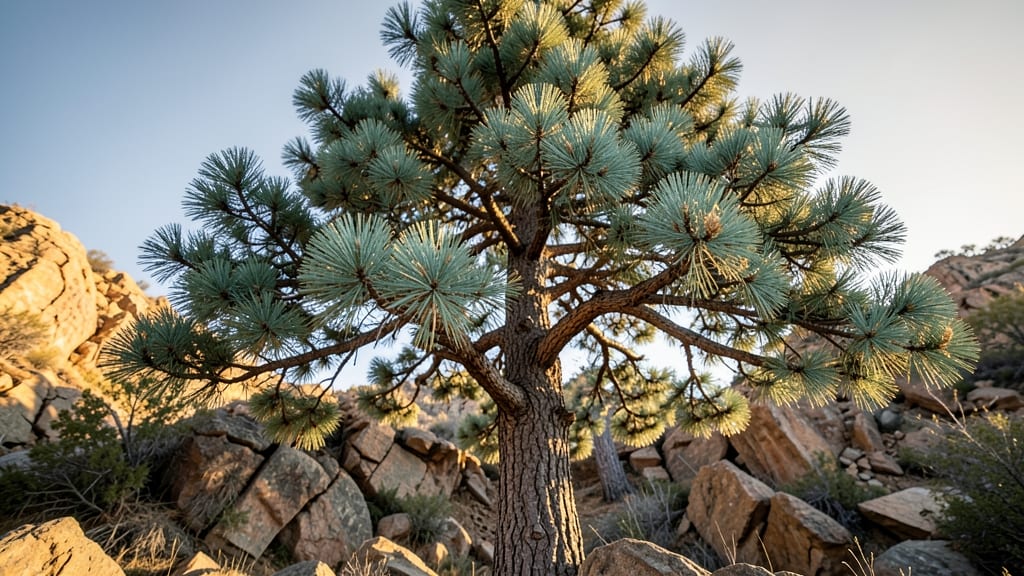
Arkansas’s diverse ecosystems support hardy, beautiful native trees perfect for Ozark gardens. These ten species offer shade, wildlife benefits, and minimal maintenance—ideal for homeowners who want resilient, locally adapted flora.
Southern Magnolia for Year-Round Elegance
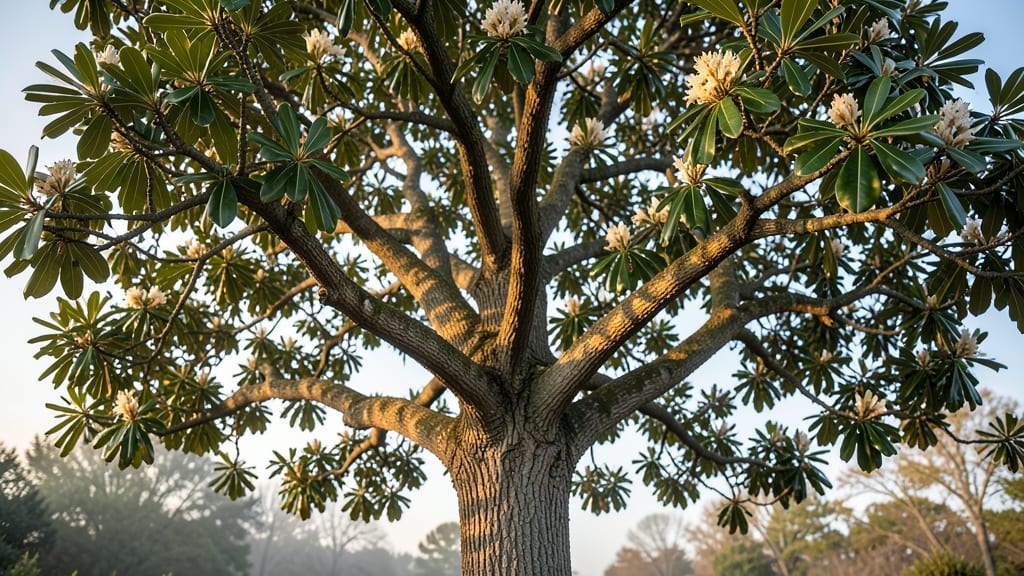
If you crave a tree that’s as stunning in winter as it is in summer, the Southern Magnolia delivers year-round elegance with its glossy, evergreen leaves and iconic blooms. This majestic tree thrives in Arkansas’s humid climate, offering both shade and a fragrant display that lasts for decades.
Plant your Southern Magnolia in well-drained soil with full sun to partial shade, and watch it grow into a 60- to 80-foot sentinel. Its creamy-white flowers bloom in late spring, filling the air with a sweet, citrusy scent that attracts pollinators. The tree’s dense canopy provides dramatic shade, making it perfect for patios, driveways, or as a focal point in large landscapes.
Best for homeowners seeking a low-maintenance, high-impact tree, the Southern Magnolia’s resilience and beauty make it a timeless choice for Arkansas gardens. 🌟
Eastern Redbud for Spring Color Bursts
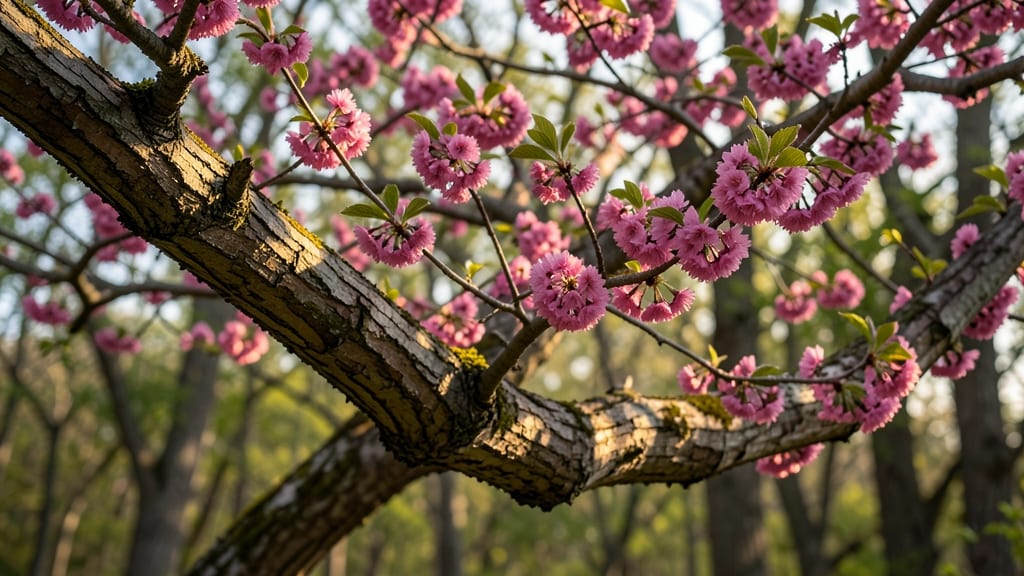
Tired of waiting until summer for garden color? The Eastern Redbud bursts into life with vibrant pink blossoms as early as February, making it Arkansas’s first major spring spectacle. This understory tree thrives in partial shade, perfect for woodland edges or borders where larger trees create dappled sunlight.
Native to Arkansas’s forests, Eastern Redbud grows 15-20 feet tall with heart-shaped leaves that turn golden in fall. Its flowers attract bees, butterflies, and hummingbirds, giving pollinators a critical early-season food source. Plant it in well-drained soil and water regularly until established—once settled, it’s drought-tolerant and low-maintenance.
This tree is ideal for small spaces, urban gardens, or as a focal point in native plant landscapes. Its early blooms create a stunning contrast against winter’s bare branches, giving you a colorful kickstart to spring. 🌷
Shortleaf Pine for Wildlife Habitat
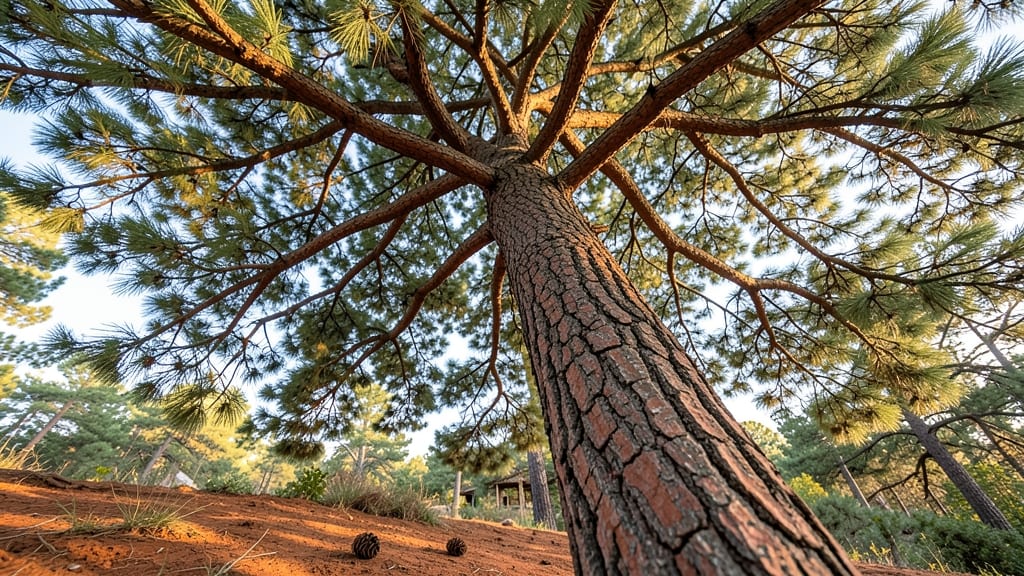
If you want a tree that works with nature—not against it—the shortleaf pine is your best bet. This fast-growing native species thrives in Arkansas’s clay-heavy soils and drought conditions, making it a low-maintenance powerhouse for wildlife while adapting effortlessly to Ozark landscapes.
Birds like tufted titmice and pine warblers nest in its branches, while squirrels and butterflies rely on its seeds and needles for food. Unlike fussy imported pines, shortleaf pines grow 30–50 feet tall with minimal care—just plant in full sun and water occasionally during the first year. Their golden autumn needles add seasonal drama too.
Perfect for landowners prioritizing wildlife corridors or restoring native habitats, this pine also resists pests like bark beetles better than many alternatives. 🌟
American Holly for Evergreen Structure
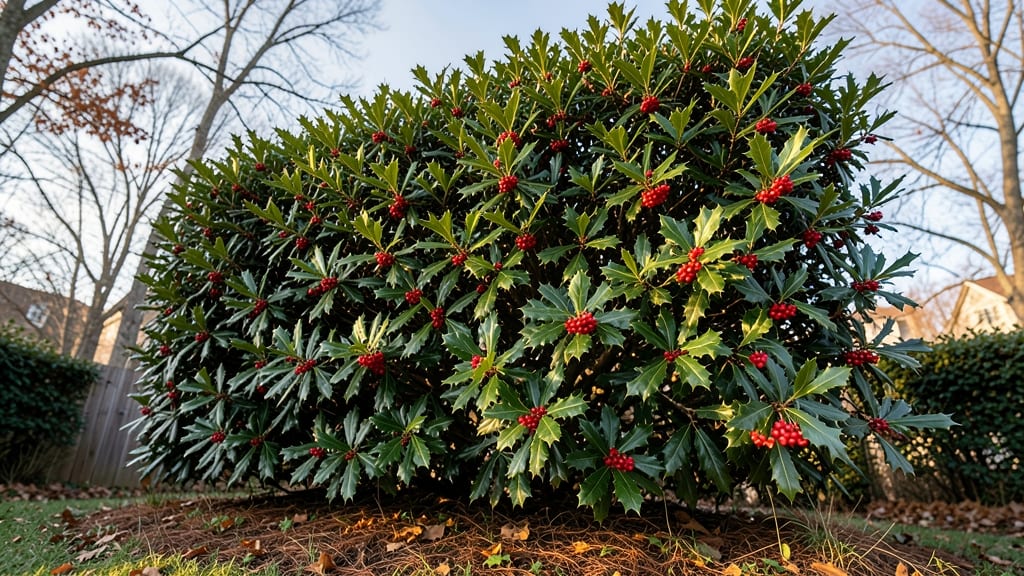
Looking for a year-round focal point that doubles as a privacy screen? American Holly delivers with its glossy, spiny leaves and clusters of bright red berries that persist through winter—perfect for Arkansas’s mild winters and holiday-themed gardens.
This evergreen thrives in full sun to partial shade and tolerates a wide range of soils, including the clay-heavy earth common in Ozark regions. Plant males and females together for berries, or choose a pre-pollinated cultivar like 'Sky Pencil' for a slender, columnar shape. Its dense growth blocks noise and wind while providing year-round structure.
Ideal for gardeners seeking low-maintenance evergreens, American Holly is especially beloved by wildlife—birds adore the berries, and its spiny leaves deter deer. It’s a classic choice for traditional landscapes or as a festive centerpiece. 🌟
Sweetgum Tree for Dramatic Fall Foliage
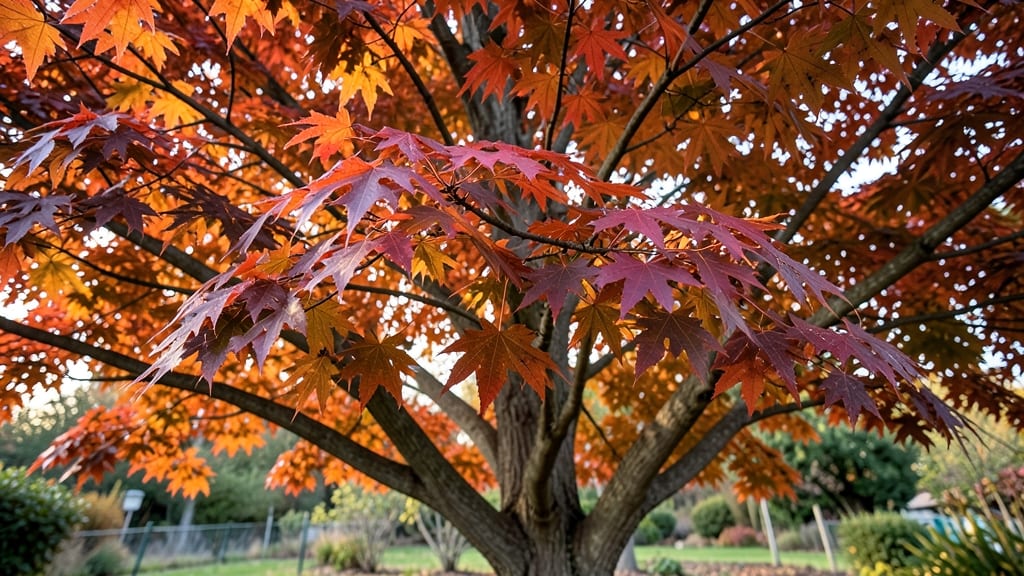
Want to turn your Arkansas yard into a fall spectacle without waiting decades for color? The sweetgum tree delivers a bold autumn show in just 10-15 years—its star-shaped leaves transform from green to fiery reds, oranges, and purples by October. This isn’t just any shade tree; it’s a fast-growing powerhouse that outpaces slower-maturing species while providing dense summer shade.
Native to Arkansas’s humid climate, sweetgums thrive in full sun to partial shade and tolerate a wide range of soils, including clay. Plant in well-drained areas with at least 40 feet of space to mature (they can reach 70 feet tall!). Prune sparingly in late winter to remove dead branches—just beware of the tree’s spiky seed pods (wear gloves!). The trade-off? Stunning foliage that outshines many ornamental trees.
This tree is ideal for homeowners with large yards who want dramatic seasonal interest without the upkeep of manicured landscapes. Plus, its wildlife value doesn’t hurt—birds and squirrels feast on its seeds. 🌻
White Oak for Long-Term Durability
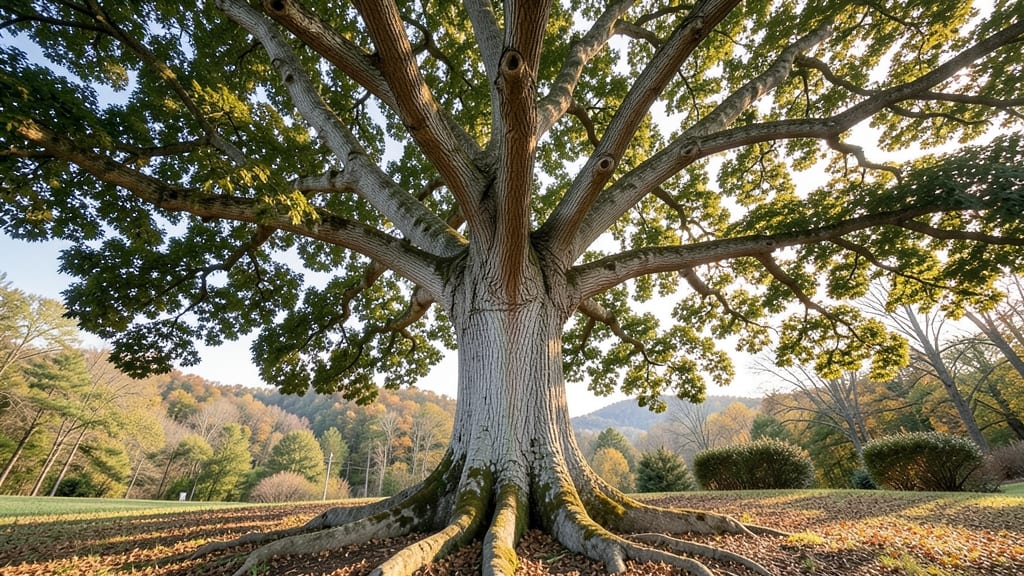
If you’re dreaming of a tree that will outlive you and your grandchildren, the white oak is your answer. Known for its centuries-long lifespan and deep taproot system, this majestic tree becomes a cornerstone of Ozark landscapes, offering shade and stability for generations.
White oaks thrive in Arkansas’s well-drained soils and adapt to both sun and partial shade. Their acorns provide a vital food source for squirrels, deer, and birds, making them a wildlife magnet. Plant saplings in early spring or fall, spacing them 60-80 feet apart to allow room for their sprawling canopies.
This tree’s durability makes it ideal for homeowners prioritizing long-term investment over quick results. Perfect for rural properties or large yards, it’s a living legacy for future generations. 🌟
Fringe Tree for Unique Summer Blooms
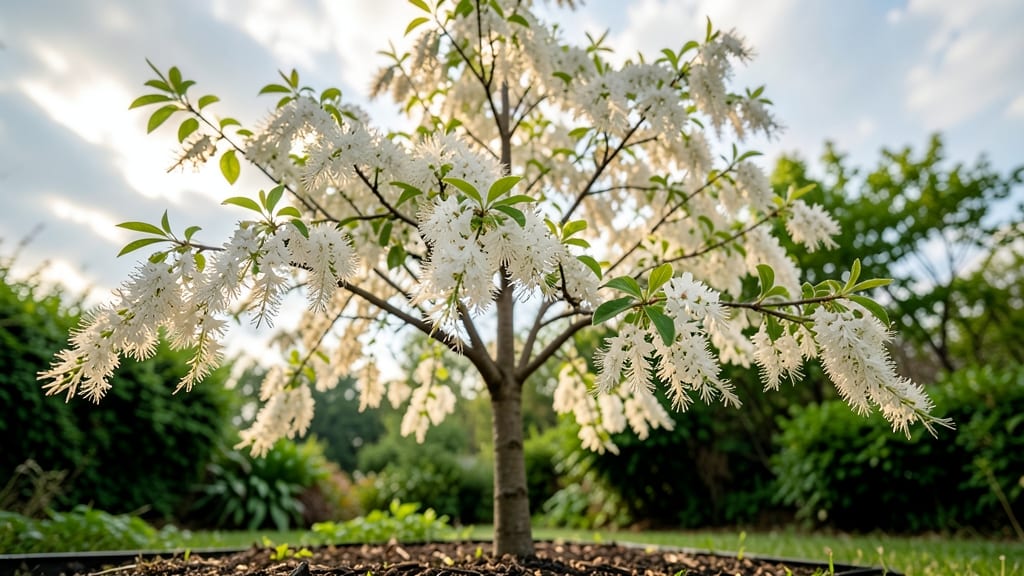
Looking for a summer showstopper that brings fragrance and movement to your garden? The fringe tree (Chionanthus virginicus) delivers delicate, white, fringe-like blooms that flutter in the breeze—plus, it’s a hummingbird magnet.
This small, multi-stemmed tree thrives in moist, well-drained soils near ponds or streams, making it ideal for Arkansas’s humid climate. Plant it in partial shade for best bloom performance, and expect fragrant flowers from mid-summer through early fall. Its compact size (15–20 feet tall) fits urban yards, while its wildlife benefits make it a pollinator favorite.
Perfect for gardeners who love low-maintenance perennials with high impact—this tree needs minimal pruning and handles Arkansas’s heat once established. 🌻
Black Cherry for Edible Fruit Harvests
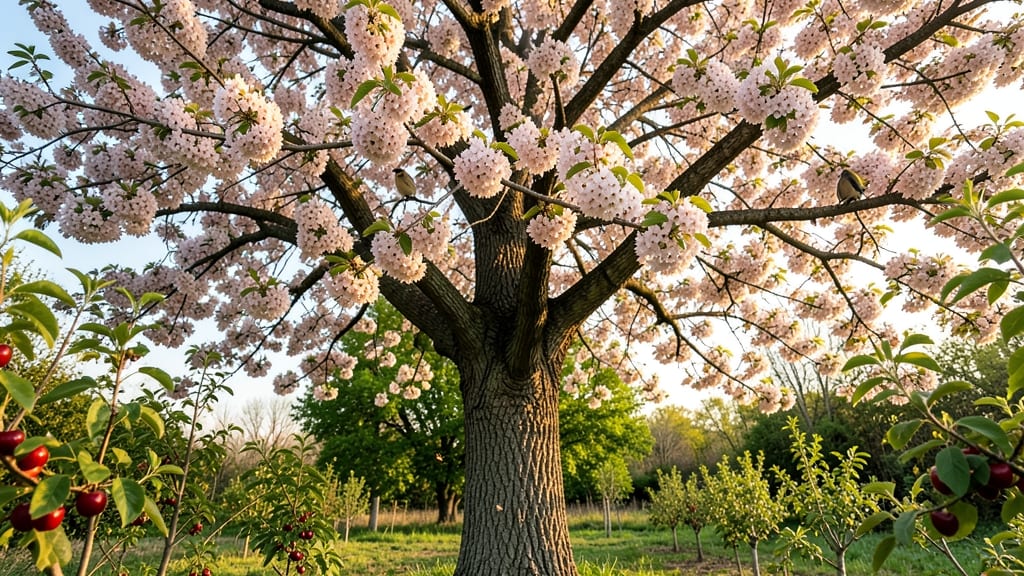
Want a tree that grows fast, produces delicious fruit, and doubles as a wildlife magnet? The black cherry delivers all three—plus stunning spring blooms—making it a standout for Arkansas gardens.
This fast-growing tree thrives in full sun and reaches maturity in 10-15 years, bearing tart cherries perfect for jams or attracting birds. Plant it in well-drained soil with 6 hours of sun daily to maximize fruit production. Prune young trees to shape them and remove dead branches annually.
Homeowners with space for a medium-sized tree (30-40 feet tall) will love its dual purpose—edible harvests and wildlife support. It’s especially rewarding for those who enjoy seasonal variety. 🌟
Carolina Silverbell for Delicate Canopy
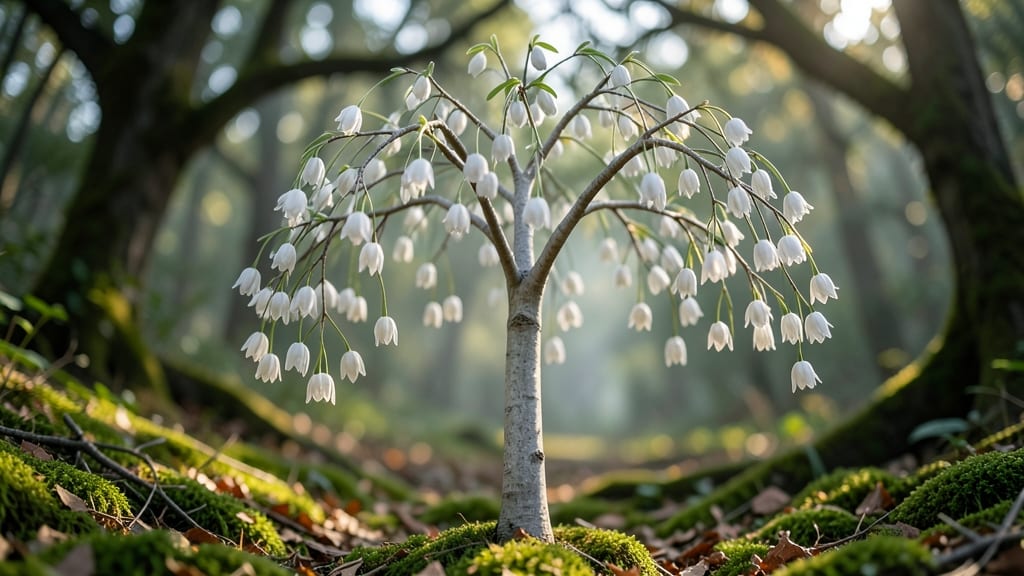
Transform your shaded garden into a serene woodland retreat with Carolina Silverbell (Halesia carolina), a native Arkansas understory tree that blooms with delicate, bell-shaped white flowers in early spring. Unlike bold showstoppers, this tree thrives in the quiet beauty of dappled shade, making it perfect for woodland gardens, forest edges, or as a focal point under taller trees.
This 15-25 foot tree features smooth gray bark and heart-shaped leaves that turn golden in fall, but its star attraction is the cascading clusters of white bell-shaped flowers that appear before the leaves in late April. Plant it in moist, well-draining soil with partial to full shade, and watch it create a magical canopy that hummingbirds and bees will adore. Its slow, graceful growth makes it ideal for gardeners who prefer low-maintenance elegance over fast-spreading trees.
Perfect for gardeners who love textural contrast and early-season interest, Carolina Silverbell pairs beautifully with ferns, hostas, and other shade-loving perennials. It’s especially enchanting in cottage gardens or near patios where you can enjoy its subtle fragrance up close. 🌷
Eastern Red Cedar for Drought Resistance

When Arkansas’s unpredictable weather leaves other plants wilting, the Eastern Red Cedar stands tall with its blue-green needles and unshakable resilience. This native evergreen thrives in dry, rocky soils and drought conditions, making it a superhero for erosion-prone slopes or windy properties.
Plant it in full sun to partial shade for best results, and watch it grow 1-2 feet per year with minimal care. Its dense foliage stabilizes soil while providing year-round structure, and birds love its berries. Prune lightly in late winter to maintain shape.
Perfect for landowners dealing with variable climate zones or urban gardeners needing low-maintenance greenery, this tree delivers beauty without the fuss. 💪