
Pruning
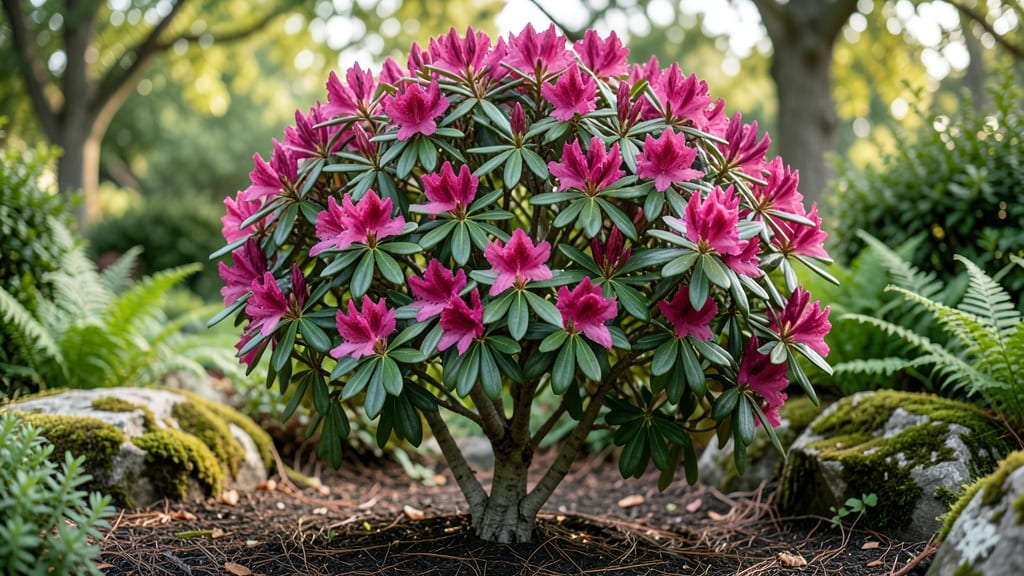
Planting an azalea tree outside transforms your yard into a springtime jewel box. 🌸 These shade-loving beauties thrive in zones 5-9, but their secret isn't just the right spot—it's knowing when and how to prune for maximum blooms.
I've watched my azaleas go from sparse blooms to overflowing branches just by adjusting my pruning timing and technique.
The best time to prune is right after flowering, when new growth begins. This 30-minute task keeps your tree compact, encourages more blooms next year, and prevents those leggy branches that ruin the shape.
Azaleas hate dry soil, so water deeply after pruning to help them recover faster—think of it as giving them a drink after a haircut.
With proper pruning, your azalea will reward you with vibrant blooms for weeks, not just a single burst of color. The key is gentle cuts—never more than a third of the branch—and always using clean, sharp shears.
You'll notice new shoots forming within weeks, and by next spring, your tree will be the showstopper of the neighborhood.
Works perfectly for foundation plantings, woodland gardens, or as a standout specimen. The same principles apply whether you're dealing with a dwarf azalea or a 10-foot shrub. Let's get those blooms flourishing!
📚 In This Guide
- What you need
- Instructions
- Tips and common mistakes
- Wrapping up and next steps
What you need
Before you start pruning your azalea tree outside for those stunning year-round blooms, gather these essential materials and tools. Having everything ready will make the process smoother and more enjoyable! 🌸✂️
Required Materials & Tools
- Pruning shears – Bypass pruners (sharp, clean, and disinfected with rubbing alcohol to prevent disease 🦠).
- Loppers – For thicker branches (1.5"–2" diameter).
- Garden gloves – Heavy-duty, cut-resistant (to protect from thorns and sharp branches).
- Disposable pruning bags – To collect and dispose of trimmings (2–3 bags, depending on tree size).
- Pruning saw – Only if dealing with thick, woody branches (3" or larger).
- Ladder or step stool – If your azalea is taller than 6 feet (ensure it’s stable and non-slip).
- Rubbing alcohol (70% isopropyl) – For sterilizing tools between cuts.
- Sharpie or permanent marker – To mark branches for removal (optional but helpful for planning).
- Water spray bottle – To mist tools and cuts for cleaner cuts and reduced sap splatter.
Optional (But Helpful!) Extras
- Hand pruners with a bypass blade – For precision trimming of smaller stems.
- Extension pole pruners – For high branches without a ladder.
- Compost bin or mulch – To repurpose trimmings as nutrient-rich compost.
- Safety goggles – If your azalea has dense or spiky growth.
- Notebook & pen – To sketch a pruning map before you start.
- Tree wound dressing – (Controversial but some gardeners swear by it!) For sealing larger cuts (use sparingly).
Pro Tip: 💡 Check the weather forecast! Prune on a cool, cloudy day to reduce stress on your azalea. Avoid pruning during peak heat or frost—your tree will thank you with healthier blooms next season!
Step-by-step guide for pruning your azalea tree
Here's how I keep my azaleas thriving—blooms stay vibrant, and the shape stays perfect year after year.
✂️ Step 1: Prune Right After Blooming
Timing is everything with azaleas. The best moment to prune is right after the flowers fade—usually late spring or early summer. This ensures you don’t cut off next year’s blossoms, which form on last year’s growth. I wait until the blooms drop completely before reaching for the shears.
Start by removing any dead, diseased, or crossing branches. These compete for energy and can stunt your azalea’s growth. Cut back to a healthy bud or branch junction, making clean cuts at a 45-degree angle. This prevents water from pooling and causing rot. If a branch is completely dead, remove it all the way back to the trunk.
🌿 Step 2: Thin Out Overcrowded Branches
Azaleas naturally grow dense, but too much thickness blocks airflow and sunlight, which invites pests and diseases. Focus on thinning out branches from the center of the plant outward. Remove about one-third of the oldest, innermost branches to open up the canopy. This encourages new growth on the outer edges, where sunlight can reach.
Look for branches that rub against each other or grow inward. These are prime candidates for removal. You’ll know you’re doing it right when you see more light filtering through the foliage. This step also helps maintain a natural, balanced shape without heavy-handed shaping.
☀️ Step 3: Shape for Balance and Airflow
Azaleas don’t need drastic shaping, but a little refinement keeps them looking their best. Step back and assess the plant’s overall form. Use hand pruners to trim back any branches that are growing too long or disrupting the natural shape. Aim to maintain a slightly rounded silhouette—this encourages more blooms and better airflow.
For larger branches, use loppers to make precise cuts just above a leaf bud or outward-facing branch. Avoid cutting back to a stub; this can lead to dead wood. If you’re unsure where to cut, follow the branch back to where it meets another branch or the trunk and trim just beyond that point.
⏰ Step 4: Light Maintenance Pruning in Late Summer
After the initial post-bloom pruning, give your azalea a quick check in late summer. This is when you can lightly trim any new growth that’s gotten too leggy or out of place. Focus on removing any suckers—those unwanted shoots growing from the base or along the trunk. These drain energy from the main plant.
Keep an eye out for branches that are growing too close to the ground or crossing over others. A little light pruning now prevents bigger problems later. This is also a good time to remove any seed pods if you don’t want more azaleas popping up around your garden.
🌱 Step 5: Winter Preparation (Optional)
If you live in a region with harsh winters, a light pruning in late fall can help protect your azalea. Remove any weak, damaged, or diseased branches before the first frost. This reduces stress on the plant and gives it a cleaner start in spring. Avoid heavy pruning in winter, as it can stimulate new growth that won’t survive cold temperatures.
Mulch around the base of the plant with 2-3 inches of organic mulch to insulate the roots. This helps protect them from freezing and thawing cycles. Water deeply before the ground freezes to ensure the roots have enough moisture to last through winter.
Tips & tricks for pruning azalea trees
Here's what nobody tells you—these little tricks make all the difference between a healthy azalea and one that struggles to bloom.
Timing is Everything: I can't stress this enough—pruning right after the flowers fade (late spring/early summer) is non-negotiable. The buds for next year's blooms form on last year's growth, so cutting too early risks removing those potential flowers. Mark your calendar for when your azaleas finish blooming, and prune within 2-3 weeks after the last petals drop. This gives you that perfect window to work without sacrificing next year's display.
The 45-Degree Angle Secret: When you make those clean cuts in Step 1, the 45-degree angle isn't just for looks—it's functional. This angle prevents water from pooling in the cut, which would otherwise create a perfect environment for rot. I've seen too many pruning jobs where people make straight cuts, and within weeks, those branches start oozing sap or developing fungal issues. Take that extra second to angle your cut properly—your azalea will thank you with healthier growth.
One-Third Rule for Thinning: That "remove about one-third of the oldest, innermost branches" guideline in Step 2 is your golden ratio. I learned this the hard way after over-pruning and nearly killing a prized azalea. Think of it like giving your plant a spa day—you're creating space for new growth while maintaining the plant's natural structure. Start by removing the thickest, oldest branches first, then work your way outward. You'll notice a dramatic difference in airflow and sunlight penetration after just one season of proper thinning.
Winter Protection Hacks: For those of us in colder climates, the 2-3 inches of organic mulch mentioned in Step 5 is your azalea's winter blanket. I like to add a thick layer of shredded bark or pine needles around the base, then top it with a light dusting of evergreen clippings. This creates an insulating layer that protects roots from temperature swings. And here's my extra tip: water deeply before the first hard frost—this gives the roots a moisture reserve to draw from during winter dormancy.
Pro Tips for Azalea Tree Outside
- Here's what nobody tells you—these little tricks make all the difference between a healthy azalea and one that strugg...
- Timing is Everything: I can't stress this enough—pruning right after the flowers fade (late spring/early summer) is n...
- The 45-Degree Angle Secret: When you make those clean cuts in Step 1, the 45-degree angle isn't just for looks—it's f...
Frequently asked questions
Got questions about keeping your azalea tree outside thriving? You’re not alone! Here are answers to the most common concerns—from pruning timelines to troubleshooting—so you can enjoy those stunning blooms year after year.
When is the best time to prune an azalea tree outside?
Prune your azalea right after blooming (late spring to early summer) to avoid cutting off next year’s flower buds. Avoid heavy pruning in fall or winter, as this can stress the plant. Light shaping in late winter (before buds swell) is okay, but focus on dead or crossing branches.
Can I prune azaleas in winter?
While azaleas are dormant in winter, pruning then can stimulate new growth that may be damaged by late frosts. If you must prune, do so early winter (Dec–Jan) and avoid heavy cuts. Otherwise, wait until spring. Pro tip: Use sharp tools to make clean cuts and reduce stress on the tree.
How much can I trim an azalea tree?
Azaleas tolerate light to moderate pruning—never remove more than one-third of the foliage in a single session. For shaping, trim back overgrown branches by 1/4 to 1/3. Avoid topping (cutting the top flat), as this harms the tree’s structure and bloom production.
Why are my azalea leaves yellowing or dropping after pruning?
Yellowing leaves often signal over-pruning, root stress, or pests. If it happens right after trimming, you may have cut too aggressively. Check for aphids, spider mites, or scale insects on the undersides of leaves. Water deeply after pruning and apply a balanced fertilizer to help recovery.
Are there azalea alternatives that require less pruning?
If pruning feels overwhelming, consider low-maintenance shrubs like hydrangeas (prune once a year), camellias (minimal pruning), or pieris japonica (evergreen with fewer pruning needs). For azaleas, dwarf varieties (like ‘George Taber’) need less shaping than large specimens.
Wrapping up and next steps
Transforming your azalea tree outside into a thriving, bloom-filled beauty is totally within reach! 🌸 By mastering the art of pruning—timing, technique, and tool care—you’ll ensure year-round health and stunning seasonal displays.
Remember, patience and consistency are your best friends, and soon, your garden will be the envy of the neighborhood.
Ready to take the next step? Grab your pruners and schedule that first trim—your azalea’s vibrant future starts today!