
Trees
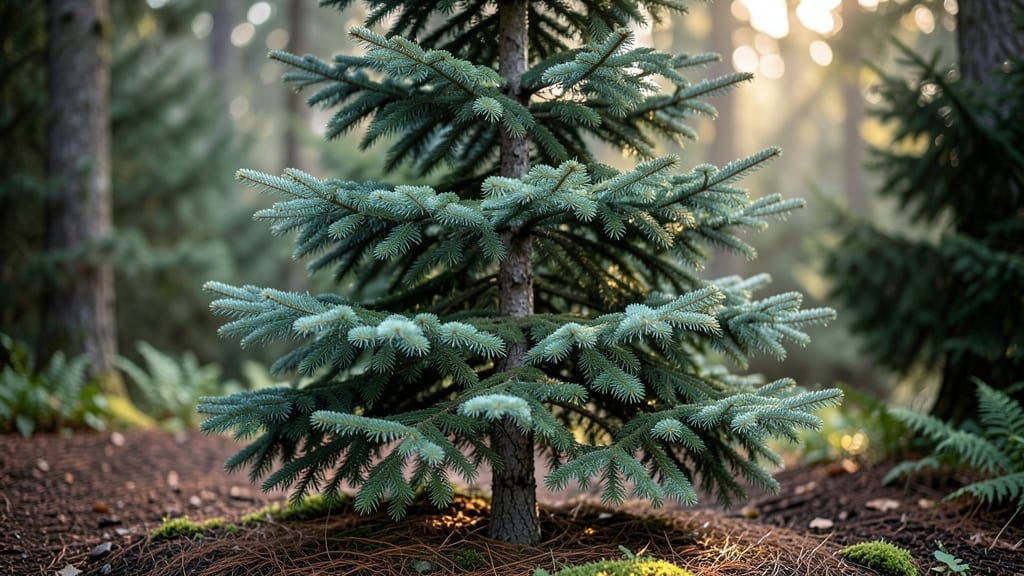
The balsam fir Christmas tree scent stands out with its bright, sweet, and slightly spicy aroma that combines citrus, wood, and vanilla notes—far more intense and layered than traditional pine or spruce. Its rich fragrance comes from natural oils like limonene and pinene, which evaporate quickly, creating that signature holiday freshness.
The balsam fir's signature scent isn't just stronger—it's more complex, blending citrusy brightness with warm, vanilla undertones and a subtle spiciness. 🌲 Unlike pine trees, which smell more resinous, balsam fir releases volatile oils that fill a room faster, making it a top choice for holiday decorators.
These compounds don't just smell good—they also have antimicrobial properties, which may explain why the scent feels so invigorating during the winter months.
What makes this fragrance truly special is its balance of freshness and warmth. The limonene creates that zesty lift, while pinene adds depth, and trace amounts of other terpenes contribute to the vanilla-like sweetness.
This combination is why so many people prefer balsam fir over other evergreens—it feels cozy yet uplifting, perfect for creating that nostalgic holiday atmosphere.
💡 In This Article
- Chemical Composition Behind Balsam Fir’s Signature Scent
- How to Maximize Balsam Fir Scent in Your Holiday Decor
Chemical composition behind balsam fir’s signature scent
The balsam fir's distinctive aroma comes from a complex blend of volatile organic compounds (VOCs) primarily made up of monoterpenes, with limonene and α-pinene being the dominant players. Limonene, which makes up about 30-40% of the tree's essential oils, gives that bright citrusy kick you notice immediately.
This compound isn't just in citrus fruits—it's also what gives balsam fir its signature freshness that feels almost lemony when you get close to the needles.
What sets balsam fir apart from other evergreens like Scotch pine or Fraser fir is its higher concentration of these volatile oils, which evaporate 3-5 times faster than pine oils.
This rapid evaporation creates that intense, immediate scent burst that fills a room within minutes. 🌿 The α-pinene contributes to the woody, slightly spicy notes, while trace amounts of β-phellandrene and camphene add to the complexity, creating that warm vanilla-like undertone that makes balsam fir smell so comforting.
Here's where it gets interesting: these compounds aren't just randomly distributed. The balsam fir's needle structure contains specialized cells called resin ducts that store and release these oils.
When you run your hand over the needles or even just breathe near them, you're physically disrupting these ducts, causing a mechanical release of the aromatic compounds. This is why balsam fir smells so much stronger than other trees when touched or moved.
The science behind why these scents feel so invigorating lies in how our brains process them. Monoterpenes like limonene and pinene have been shown to stimulate the olfactory system in ways that can temporarily elevate mood and even reduce stress.
Studies suggest these compounds may interact with neurotransmitters, creating that "holiday freshness" feeling that's so psychologically comforting during winter months.
For comparison, let's look at what makes pine smell different. While both trees contain pinene, pine trees have higher levels of β-pinene (which smells more resinous and earthy) and less limonene.
This gives pine that classic "Christmas tree" smell that's more one-dimensional, whereas balsam fir's multi-compound profile creates that rich, layered fragrance that's far more complex and memorable.
What most people don't realize is that the scent profile changes slightly based on the tree's age and growing conditions.
Younger balsam firs tend to have higher limonene content, giving them that extra bright citrus note, while older trees develop more of the woody, vanilla undertones as their resin composition matures. This is why some balsam firs smell more "fresh" while others have that deeper, more complex aroma.