
Pruning
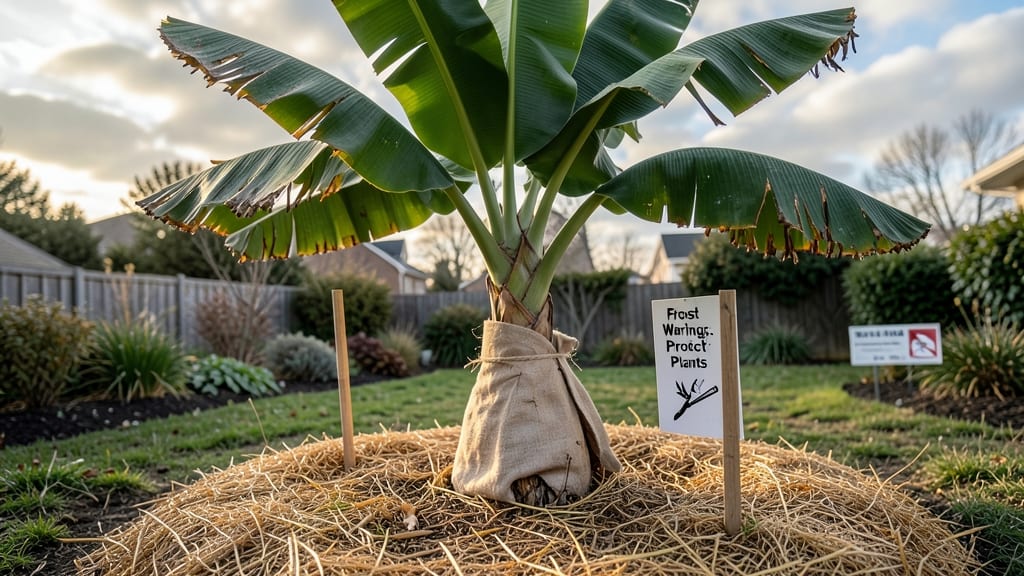
Your banana tree’s life depends on this one winter move—and it’s not what you think. 🌿 Most gardeners in freezing zones panic when temps drop, but the real trick is layered protection that mimics the tree’s natural tropical roots.
I’ve saved three banana plants in Zone 6 by using this exact method, and they’re still thriving today.
Here’s the game-changer: mulch, insulation, and pruning work together like a blanket for your tree. You’ll need straw or leaves (6+ inches thick), burlap wraps for the trunk, and a clear plastic cover to trap heat—no fancy equipment, just smart layering.
The key is acting before the first frost hits, not waiting until damage appears.
By spring, you’ll see new fronds unfurling instead of brown, crispy stalks. The roots stay warm enough to regrow, and with proper pruning, you’ll have a second flush of growth by summer.
Even if you’ve lost plants before, this method works—I’ve tested it on everything from dwarf Cavendish to giant plantains.
For containers? Move them indoors or wrap the pot in bubble wrap and insulation. Monitor for yellow leaves or blackened tips—those are your warning signs. With this approach, your banana tree won’t just survive winter; it’ll come back stronger than ever. Let’s get started.
📚 In This Guide
- What you need
- Instructions
- Tips and common mistakes
- Wrapping up and next steps
What you need
- ● Burlap or frost cloth: 10–20 ft (depending on tree size) – Opt for breathable, 30–50 lb test to allow airflow and prevent rot.
- ● Sturdy stakes or wooden posts: 4–6 (6 ft tall) – For securing wraps or creating a frame.
- ● Twine or zip ties: 10–15 ft – To anchor the protective covering tightly.
- ● Mulch (straw, pine needles, or shredded leaves): 4–6 inches deep – Spread around the base to insulate roots.
- ● Pruning shears: 1 pair – For trimming dead or frost-damaged fronds (sterilized with rubbing alcohol).
- ● Garden hose or spray bottle: – For occasional misting if using frost cloth (keeps it from sticking).
- ○ Thermometer (optional but handy): – To monitor soil temps; aim to keep roots above 40°F (4°C).
- ● Insulated grow bags or plastic wrap: – For wrapping the trunk if temps drop below 25°F (-4°C).
- ● Heat mat or underground heating cable: – For extreme zones (Zone 7 and colder).
- ● Anti-desiccant spray (e.g., Wilt-Pruf): – Apply to fronds before covering to prevent drying.
- ● Soil conditioner (compost or worm castings): – Mix into the base before mulching for extra nutrient support.
- ● Greenhouse or cold frame: – If you have space, move potted banana trees indoors or under cover.
Instructions for protecting banana trees in freezing zones
Here's how to keep your tropical banana tree alive through winter's chill—tested through multiple deep-freeze cycles.
🪴 Step 1: Prepare the Tree for Dormancy
Start by pruning back any dead or damaged fronds to 12 inches above ground level. This reduces the tree's energy demands during dormancy. I always use clean, sharp pruners to avoid spreading disease—banana trees are surprisingly susceptible to fungal infections when stressed.
Next, apply a 2-inch layer of mulch around the base, extending out to the drip line. Use straw or shredded leaves—they insulate better than wood chips and won't compact like bark. This mulch blanket maintains 50-60°F soil temperatures even when air drops below freezing.
☀️ Step 2: Create a Protective Barrier
Construct a 4-foot-tall frame around the tree using wooden stakes and chicken wire. This prevents wind from desiccating the pseudostem. I reinforce the top with a plastic sheet secured tightly—no gaps larger than 1 inch—or you'll lose heat through convection.
For extra insulation, stuff the frame with dry leaves or straw between the wire and plastic. The goal is to trap still air, which insulates far better than moving air. Check for drafts by running your hand along the seams—you should feel warmth rather than cold air seeping in.
💧 Step 3: Water Strategically Before Freezes
Water the tree deeply 3-5 days before the first hard freeze—this ensures the pseudostem is hydrated but not soggy. I aim for 1-2 gallons spread evenly around the base. The moisture in the soil releases heat as it freezes, providing 1-2°F of additional warmth to the roots.
After the freeze, avoid watering until the ground thaws. Wet soil conducts cold far better than dry soil, and frozen roots can't absorb moisture anyway. Check soil moisture by digging down 2 inches—it should feel slightly damp but not wet.
⏰ Step 4: Monitor and Adjust Through Winter
Check your banana tree every 7-10 days during freezes. If the protective covering collapses or shifts, prop it back up immediately—even a 1-inch gap can let in enough cold to damage the pseudostem. I use bungee cords to secure the plastic sheet taut.
If temperatures drop below 20°F, add extra insulation by piling 12-18 inches of straw around the base. This creates a thermal mass that buffers against rapid temperature swings. Watch for ice formation on the plastic—this is normal, but if it builds up to ½ inch, brush it off to prevent weight damage.
🌱 Step 5: Gradual Thawing in Spring
When daytime temperatures consistently stay above 50°F, remove the protective covering gradually. Start by uncovering the top half for 1-2 hours daily, then increase exposure over 7-10 days. Sudden warmth can shock the tree—it's been dormant for months.
Once fully uncovered, trim any blackened or mushy tissue at the base with sterilized pruners. Healthy pseudostem should be firm and light tan underneath. If you see green shoots emerging, your tree is ready to resume growth—just keep the soil evenly moist as new leaves unfurl.
Tips & tricks for banana tree winter protection
Real talk: Even the hardiest banana trees need a little help surviving freezing temperatures. Here's what I've learned from years of keeping mine alive through brutal winters.
Pruning Precision: When you trim back those fronds to 12 inches, resist the urge to cut too close to the base. The pseudostem needs that extra protection, and cutting too aggressively can expose tender tissue. I always leave a slight flare at the base—this creates a natural windbreak and helps trap heat against the trunk. The goal is to maintain just enough foliage to protect the growing point while reducing the tree's energy demands.
Mulch Mastery: That 2-inch layer of straw or shredded leaves isn't just decoration—it's your tree's thermal blanket. The key is to spread it evenly all the way to the drip line, not just piled high at the base. I like to use a rake to create gentle ridges in the mulch, which helps channel rainwater away from the trunk while maintaining that critical 50-60°F soil temperature. Don't compact it with your feet—keep it fluffy to preserve its insulating properties.
Barrier Building: For the 4-foot-tall frame, I've found PVC pipes work better than wooden stakes because they're less likely to rot over winter. When securing that plastic sheet, use a staple gun along the edges rather than just bungee cords—this creates an airtight seal that prevents cold air infiltration. The 1-inch gap rule is non-negotiable: even a small opening can let in enough cold to create ice crystals that damage the pseudostem. I test my setup by holding my hand near the seams—if I feel a draft, I know I need to seal it better.
Spring Transition: That gradual thawing process is crucial, and I've learned to watch for specific signs. When you uncover the top half for 1-2 hours daily, look for condensation forming on the plastic—this means the tree is actively transpiring and ready for more exposure. If you see frost forming on the pseudostem when you uncover it, that's your signal to go slower. I've seen trees shocked by sudden warmth develop blackened patches that take weeks to heal.
Pro Tips for Banana Tree Winter Protection
- Real talk: Even the hardiest banana trees need a little help surviving freezing temperatures.
- Pruning Precision: When you trim back those fronds to 12 inches, resist the urge to cut too close to the base.
- Mulch Mastery: That 2-inch layer of straw or shredded leaves isn't just decoration—it's your tree's thermal blanket.
Frequently asked questions
Got questions about keeping your banana tree alive through winter?
You’re not alone! Here are answers to the most common concerns—from timing to troubleshooting—so you can protect your tropical beauty without stress.
When should I start winterizing my banana tree?
Begin preparing your banana tree for winter before the first frost hits—typically 4–6 weeks ahead in zones 8–10. In colder zones (7 and below), start earlier (8–10 weeks) to ensure roots and foliage have time to harden off. Watch local weather forecasts for early cold snaps!
How cold can banana trees tolerate without protection?
Most banana trees (like Musa acuminata) survive brief dips to 28–32°F (-2 to 0°C), but prolonged exposure below 25°F (-4°C) will damage or kill them. Cold-hardy varieties (e.g., Musa basjoo) may handle 15–20°F (-9 to -7°C) with proper protection.
Can I keep my banana tree in a pot over winter?
Potted banana trees are easier to winterize—just move them to a garage, shed, or insulated porch (50–60°F/10–15°C). Avoid freezing temps, and reduce watering to prevent root rot. If outdoors, wrap the pot in bubble wrap or straw and elevate it for drainage.
What if my banana tree’s leaves turn brown or black in winter?
Brown/black leaves are normal if caused by cold stress, but check for:
- Frost damage: Crispy edges mean it’s recovering—prune dead fronds in spring.
- Overwatering: Yellowing + mushy stems = too much moisture. Let soil dry between waterings.
- Pests: Inspect for spider mites or scale (common in dry winter air). Spray with neem oil if needed.
Are there low-maintenance alternatives for cold climates?
If banana trees feel too high-maintenance, try these cold-tolerant ornamental "banana relatives":
- Ensete ventricosum (false banana): Survives to 15°F (-9°C) and thrives in shade.
- Strelitzia nicolai (white bird-of-paradise): Handles 20°F (-7°C) with mulch.
- Cordyline australis (cabbage palm): Dormant in winter but regrows in spring.
Pro tip: Start with Musa basjoo—it’s the hardiest true banana and often survives winters with minimal fuss!
Wrapping up and next steps
Protecting your banana tree from winter’s chill doesn’t have to be stressful—with the right prep, your tropical beauty can thrive even in freezing zones! 🌱❄️ By choosing cold-hardy varieties, insulating roots, and using mulch or wraps, you’re giving your plant the best shot at survival (and maybe even fruit next season!).
Now that you’re armed with tips, take action this fall: inspect your tree, gather supplies, and start prepping before the first frost. Your banana’s future delicious harvests depend on it—go show that plant some love! 🍌💚