
Diseases
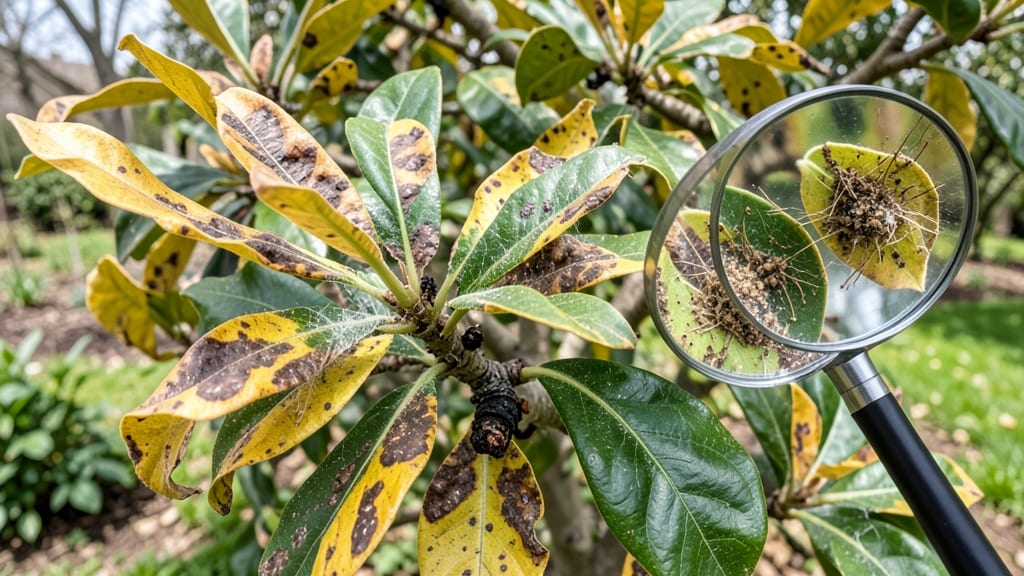
Bay leaf tree diseases can turn your once-vibrant plant into a crunchy mess if you don’t act fast—spotting those first brown spots means taking immediate action before the whole tree suffers. 🌿 I’ve seen healthy trees go from fragrant to fungus-ridden in weeks, and the key to saving them is catching the problem early and knowing exactly what to do. Most infections start with too much moisture—whether from overhead watering, poor drainage, or humid climates. Black spots on leaves? That’s likely anthracnose. Yellowing and wilting? Could be root rot. The good news? Both respond to the same basic fixes: prune infected areas, improve airflow, and treat with copper fungicide or a baking soda spray (yes, it works). You’ll see new growth within 2-3 weeks if you act quickly—just keep an eye out for those early warning signs. A little prevention (like mulching properly and avoiding wet foliage) goes a long way in keeping your bay leaf tree thriving all season.
Here’s the game-changer: early detection. Check the undersides of leaves weekly for fuzzy mold or discolored patches. If you catch it before it spreads, you might not even need harsh chemicals—sometimes just trimming affected branches and adjusting watering does the trick.
For stubborn cases, a mix of neem oil and fungicide (applied every 7-10 days) usually turns things around. The goal is to restore balance—too much water, not enough airflow, or old mulch can all invite trouble. Once your tree recovers, it’ll bounce back stronger than ever.
Root Causes Behind Bay Tree Ailments
Bay leaf trees—whether grown for their fragrant foliage or culinary uses—are surprisingly resilient, but they’re not immune to disease. Understanding why these problems arise is the first step to prevention and treatment. Below, we break down the key factors that weaken bay trees and invite fungal infections or other blights.
Fungal diseases like Phytophthora root rot or Botrytis blight thrive when bay trees are stressed by excess moisture. Here’s why:
- Poor Drainage: Bay trees (Laurus nobilis) hate soggy roots. If planted in heavy clay soil or containers without drainage holes, water pools around roots, creating the perfect anaerobic (oxygen-deprived) environment for Phytophthora fungi. These pathogens release enzymes that break down root cell walls, leading to wilting and leaf drop.
- High Humidity + Stagnant Air: Fungal spores float in damp air and land on leaves, where they germinate in 24–48 hours if conditions are right. Overhead watering (especially in the evening) or dense foliage that traps moisture accelerates spore growth. Botrytis, for example, causes gray mold by feeding on dead or dying tissue—often triggered by poor air circulation.
- Seasonal Factors: Spring and fall are peak times for fungal outbreaks. Cool temperatures (60–70°F) and frequent rain create ideal conditions for spores to spread. 💡 Pro Tip: Prune bay trees in late winter to improve airflow before spore season kicks in!
A bay tree’s ability to fight disease hinges on its overall health. When deprived of essential nutrients, its defenses crumble:
| Deficiency | Symptoms | Why It Happens |
|---|---|---|
| Nitrogen (N) | Yellowing leaves (chlorosis), stunted growth | Nitrogen fuels leaf production. Without it, bay trees prioritize root survival over foliage, making them more susceptible to Septoria leaf spot. |
| Magnesium (Mg) | Interveinal yellowing (between leaf veins) | Magnesium is critical for chlorophyll. Deficiency often occurs in acidic or compacted soils, weakening the tree’s ability to photosynthesize and recover from stress. |
| Potassium (K) | Brown leaf edges, weak stems | Potassium regulates water balance and disease resistance. Low levels make bay trees more prone to Verticillium wilt, a vascular disease that clogs xylem vessels. |
🔥 Actionable Fix: Test soil pH (ideal: 6.0–7.0) and amend with compost or a balanced 10-10-10 fertilizer in early spring. Over-fertilizing with nitrogen can also burn roots, so follow package rates!
Some bay tree diseases don’t originate from fungi alone—they’re invited by pests. Here’s how:
- Scale Insects and Mealybugs: These sap-sucking pests weaken trees by draining nutrients, creating sticky honeydew that attracts sooty mold (Capnodium). Sooty mold doesn’t kill the tree but blocks sunlight, stressing it further and opening doors for secondary infections like Alternaria leaf blight.
- Spider Mites: Under drought stress, mites multiply rapidly, piercing leaves to feed. Their feeding wounds become entry points for bacterial infections like Xanthomonas, which causes black, oily spots on leaves.
- Root-Knot Nematodes: Microscopic worms burrow into roots, forming galls that disrupt water and nutrient uptake. Weakened roots are prime targets for Fusarium fungi, which thrive in compromised vascular systems.
🎯 Prevention Tip: Inspect new plants for pests before transplanting. Use neem oil or insecticidal soap to treat infestations early—before they compromise the tree’s immunity.
Bay trees are adaptable but push back when pushed too far. Extreme conditions force them into survival mode, leaving them vulnerable:
- Temperature Swings: Sudden cold snaps (below 20°F) or heatwaves (above 90°F) shock bay trees. Cold damage weakens cell walls, making leaves prone to Cercospora leaf spot. Heat stress reduces stomatal function, preventing the tree from transpiring effectively and flushing out pathogens.
- Wind Burn: Coastal or exposed bay trees suffer desiccation when salty or dry winds strip moisture from leaves. Cracked leaf edges become portals for bacterial entry.
- Physical Damage: Pruning wounds or hail scars create open sores. If not sanitized (with a 10% bleach solution), they invite Nectria canker, a fungal disease that girdles branches and strangles the tree.
🌡️ Hardening Tip: Acclimate container-grown bay trees gradually to outdoor conditions. Mulch heavily in winter to insulate roots from temperature extremes.
Fixing Fungal Blights Fast
Now that you’ve identified the culprit behind your bay leaf tree’s woes, it’s time to act! Fungal diseases like anthracnose, powdery mildew, or leaf spot may sound intimidating, but with the right approach, you can nurse your tree back to health—and keep it thriving.
Below are targeted solutions for each common fungal issue, plus preventive tips to stop future outbreaks before they start.
---
Anthracnose thrives in damp, humid conditions, so drainage and airflow are your first line of defense.
How to Fix It: - 🍳 Remove Infected Leaves & Branches Use sterilized pruners (wipe with rubbing alcohol between cuts) to trim yellowing, spotted, or wilted leaves. Dispose of them in the trash—not your compost bin—to prevent spores from spreading.
- 👨🍳 Apply Fungicide (Early Intervention) Spray your tree with a copper-based fungicide (like Copper Soap or Neem Oil) every 7–10 days for 2–3 weeks.
For organic options, baking soda spray (1 tsp baking soda + 1 quart water + a drop of dish soap) works in a pinch.
- 🥘 Improve Air Circulation Thin out dense foliage to let air and sunlight reach the center. If your tree is in a shady or low-lying spot, consider relocating it to a sunnier, well-drained area.
- ⏰ Water Smartly Water early in the morning (not at night) and at the base (avoid wetting leaves). Use drip irrigation if possible to reduce humidity around the canopy.
💡 Prevention Tip: Plant bay leaf trees at least 3–4 feet apart to minimize crowding. Mulch with wood chips (not thick layers) to keep roots cool but improve drainage.
---
This white, flour-like fungus loves hot, humid days and weakens leaves over time.
How to Fix It: - 🔪 Scrub Off the Fungus Gently wipe infected leaves with a soft cloth dampened in soapy water (mild dish soap). For severe cases, hose down the tree with water to dislodge spores.
- 🎯 Spray Fungicidal Solutions Mix 1 tsp potassium bicarbonate + 1 tsp horticultural oil + 1 gallon water and spray every 5–7 days until symptoms disappear. Sulfur-based fungicides (like Liqui-Cop) are also effective.
- ✨ Boost Airflow & Sunlight Avoid overcrowding—prune nearby plants or trees blocking airflow. If your bay leaf tree is in a container, move it to a sunnier spot or increase spacing.
- 🌡️ Adjust Watering Habits Water deeply but infrequently—powdery mildew thrives when leaves stay damp. Drip irrigation or soaker hoses help avoid leaf wetness.
💡 Prevention Tip: Resistant varieties like Texas bay (Pimenta racemosa) handle humidity better than traditional bay leaf trees. If mildew is recurrent, consider switching to a tougher species.
---
Brown or black spots with yellow halos? Leaf spot fungi (like Septoria or Phyllosticta) spread quickly in wet conditions.
How to Fix It: - 🍳 Prune Aggressively Cut off all infected leaves (even small spots can spread). Sterilize tools between cuts to avoid cross-contamination.
- 👨🍳 Use a Systemic Fungicide Chlorothalonil (like Daconil) or propiconazole (Bumper) penetrate the plant’s system. Follow label instructions for application frequency.
- 🥘 Sanitize the Area Remove fallen leaves and debris from under the tree. Disinfect the soil with a 1:10 bleach-water mix (rinse well afterward).
- 🔪 Thin the Canopy If the tree is too dense, prune to improve airflow. Avoid pruning during rainy weather—wait for dry conditions.
💡 Prevention Tip: Rotate fungicides annually to prevent resistance. If leaf spot keeps returning, your tree may be stressed—check for overwatering, nutrient deficiencies (like magnesium), or root rot.
---
No matter the fungus, these universal tips keep bay leaf trees healthy:
- 📊 Test Soil pH (ideal: 6.0–7.0).
Acidic soil (below 5.5) weakens defenses. - 💪 Fertilize Lightly in early spring with a balanced 10-10-10 or citrus-specific fertilizer. - 🥗 Mulch Properly (2–3 inches of pine bark or coconut coir) but keep it away from the trunk. - 🍎 Monitor for Pests (like scale or aphids), which weaken trees and invite fungi.
--- Final Reminder: Act fast—fungal diseases spread when conditions are right. With pruning, fungicides, and smart watering, your bay leaf tree can bounce back stronger than ever! 🌿✨
Frequently asked questions
Why do bay leaf tree leaves turn yellow first?
Yellowing leaves usually signal nutrient deficiencies or root stress. Bay trees often develop yellowing (chlorosis) when lacking nitrogen or magnesium, especially in acidic soils. Check the leaf pattern: yellowing between veins points to magnesium deficiency, while overall yellowing suggests nitrogen. Root rot or overwatering can also cause this by blocking nutrient uptake.
Can I save a bay leaf tree with brown spots?
Yes, but act fast! Brown spots with yellow halos are likely leaf spot fungus. Prune infected leaves immediately with sterilized tools, then apply a copper fungicide every 7-10 days for 3 weeks. Improve airflow by thinning dense foliage and watering at the base (never overhead). For severe cases, a systemic fungicide like propiconazole may be needed.
Is white powder on bay leaves harmful?
That white powder is powdery mildew, a common fungal disease. It's not immediately deadly but weakens the tree over time. Scrub leaves gently with soapy water, then treat with a mix of 1 tsp potassium bicarbonate + 1 tsp horticultural oil per gallon of water. Spray every 5-7 days until cleared. Boost airflow by spacing plants 3-4 feet apart and avoid overhead watering.
How often should I fertilize a diseased bay leaf tree?
Wait until the infection clears before fertilizing! Once recovered, use a balanced 10-10-10 fertilizer in early spring, but never apply when the tree is stressed. Over-fertilizing can burn roots and invite more fungal growth. Test soil pH first—ideal range is 6.0-7.0. For organic options, compost or worm castings work well but apply sparingly.
Will pruning help prevent bay leaf tree diseases?
Pruning improves airflow and sunlight penetration, both critical for disease prevention. Remove dead, diseased, or crossing branches in late winter or early spring. Always use sterilized tools (wipe with rubbing alcohol) to avoid spreading pathogens. Thin the canopy by 20-30% to reduce humidity buildup in dense foliage.