Trees
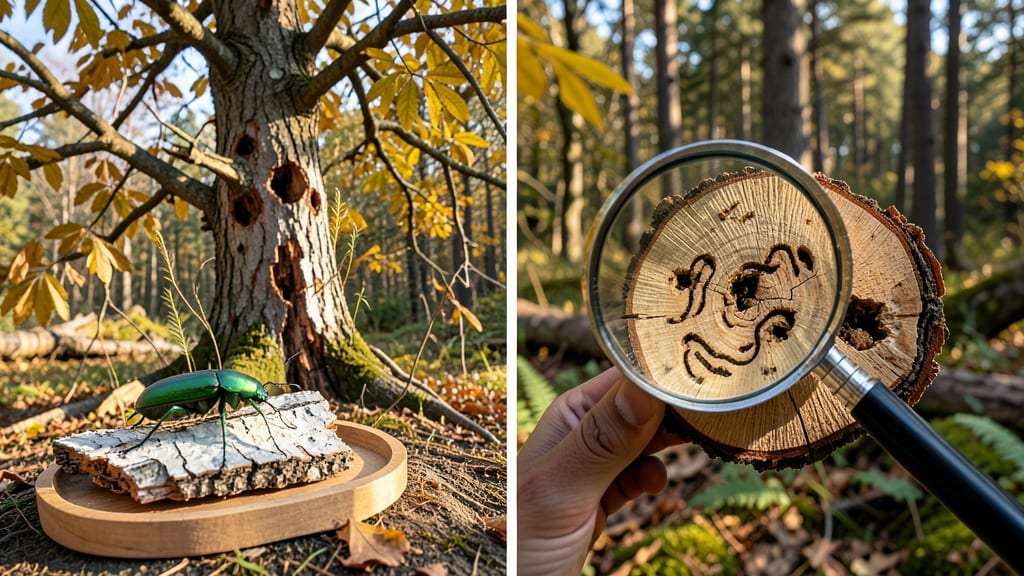
Big tree killers often lurk unseen as root rot, fungal diseases, invasive pests, or poor pruning practices that silently weaken trees before visible damage appears. Identifying these threats early and taking corrective action can prevent permanent harm or loss.
These silent destroyers don't just strike mature trees—they can turn a healthy specimen into a liability within months. 🌳 Root rot, for example, starts when excess moisture suffocates roots, while fungal infections like oak wilt spread through vascular systems, cutting off nutrient flow.
Even something as subtle as bark beetles can create entry points for secondary infections. The key to survival is regular inspections, especially after storms or during droughts, when trees become most vulnerable.
What sets these killers apart is their ability to mask symptoms until it's too late. A tree might look fine above ground while its roots are rotting away or its bark is being eaten from within.
That's why I always recommend checking for signs like discolored leaves, oozing sap, or unexpected holes in the trunk—these are red flags that demand immediate attention.
💡 In This Article
- Common Hidden Causes of Big Tree Death
- Preventive Care and Early Intervention for Tree Health
Common hidden causes of big tree death
Root rot is one of the most insidious tree killers because it starts underground where you can't see it. This fungal infection thrives in waterlogged soil, where excess moisture blocks oxygen from reaching roots.
Within weeks, the roots begin to decay, turning brown and mushy—similar to how a cut apple left in a sealed container develops mold. 🌱 The fungus then spreads upward through the trunk, disrupting the tree's ability to transport water and nutrients.
A mature oak with root rot might show no visible symptoms above ground until it's too late, often collapsing suddenly during storms.
Fungal diseases like oak wilt and armillaria (also called honey fungus) work differently but are equally deadly. Oak wilt, for example, spreads through connected root systems or sap-feeding beetles, clogging a tree's vascular system with fungal growths.
You might notice sudden wilting of leaves even when soil is moist, or dark streaks under the bark when you scrape it. Armillaria, on the other hand, forms extensive underground networks called "fairy rings," which can kill trees in clusters over several years.
These fungi produce toxins that weaken trees before they even show visible decay.
Pests often play a supporting role in tree death, creating entry points for diseases. Bark beetles, for instance, bore into the bark to lay eggs, leaving behind tunnels that disrupt the tree's protective layer.
A healthy tree might fight back by producing resin to seal these wounds, but stressed trees can't defend themselves. 🐞 Within weeks, the beetles can introduce blue-stain fungi that further damage the tree's ability to transport water.
Similarly, wood-boring beetles like the emerald ash borer can completely hollow out a tree's trunk over a few years, turning it into a brittle shell.
Environmental stressors like drought or soil compaction create perfect conditions for these killers to strike. Compacted soil, for example, restricts root growth and reduces oxygen availability, making trees more susceptible to root rot. During droughts, trees become water-stressed and less able to fight off fungal infections.
I've seen cases where a single drought year led to a 30% increase in fungal infections among mature trees in urban areas, as their weakened defenses couldn't handle the added stress.
What makes these threats particularly dangerous is how they often appear in combination. A tree might start with root rot from poor drainage, then attract bark beetles due to its weakened state, which then opens the door for secondary fungal infections.
This domino effect is why regular inspections—especially after extreme weather events—are crucial. Look for signs like:
- Cankers: Sunken, dead areas on the bark that often ooze sap or fungal growth
- Fungal fruiting bodies: Mushrooms or shelf-like growths at the tree base (common with armillaria)
- Hollow-sounding wood: Tap the trunk—if it sounds hollow, borers may have done their work
- Sudden leaf drop: Especially in one branch or section of the tree
The earlier you catch these signs, the better your chances of saving the tree. Even with severe infections, proper treatment—like soil aeration for root rot or fungicide applications for oak wilt—can sometimes give a tree a fighting chance. 🌳