
Trees
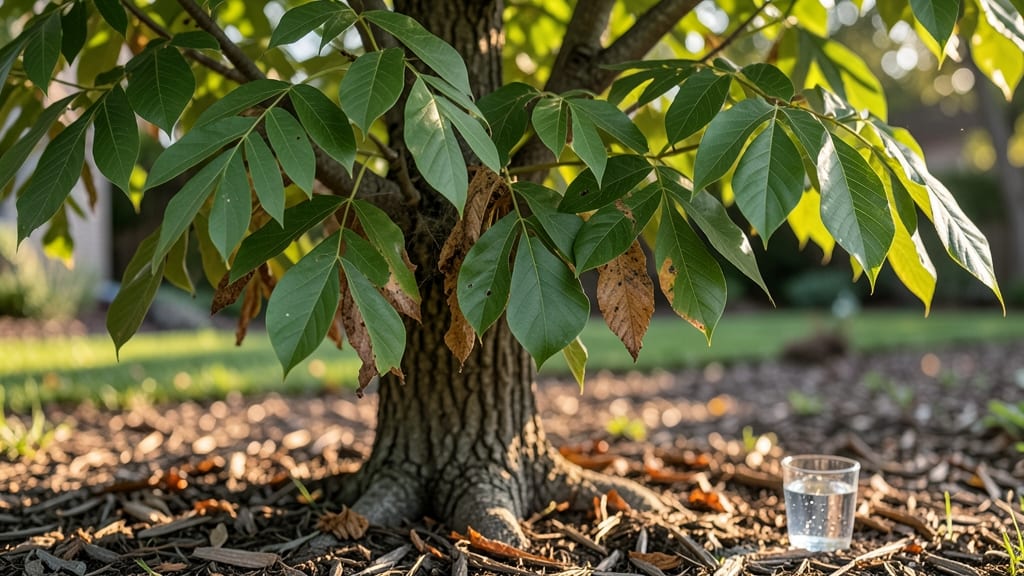
Your pecan tree’s leaves turning brown isn’t just an eyesore—it’s a cry for help. 🌳 The good news? Most causes have fast fixes that can save your tree before the damage spreads.
I’ve seen everything from scorched edges to complete defoliation, and the solutions often boil down to water, nutrients, or pests acting up.
Start by checking the edges of the leaves—if they’re crispy, it’s likely drought or heat stress. Yellowing between veins? That’s often iron deficiency or overwatering. Pests like aphids or spider mites leave behind sticky residue or tiny webs, while fungal diseases create dark spots with yellow halos.
Grab a magnifying glass and inspect closely.
Once you pinpoint the issue, the fixes are straightforward: deep watering for drought, iron supplements for deficiency, or neem oil sprays for pests. I’ve revived trees in just 2-3 weeks with the right approach—no arborist needed. The key is acting before the problem moves from leaves to branches.
For stubborn cases or if your tree looks truly stressed, don’t hesitate to call a professional. But in 90% of cases, basic care turns brown leaves back to vibrant green faster than you’d expect. Let’s get your pecan tree thriving again.
Root Causes Behind Browning Leaves
Pecan trees are resilient, but when their leaves start turning brown, it’s often a sign of stress or underlying issues. Understanding the why behind this problem is the first step to restoring your tree’s health.
Below, we break down the most common causes—from environmental factors to pest invasions—with clear explanations and actionable insights.
Extreme heat and insufficient water are two of the most common triggers for brown pecan leaves. Pecan trees thrive in well-drained, moist soil, and when temperatures soar or rainfall dwindles, their leaves react by wilting, curling, or turning brown at the edges.
This is especially true during summer droughts or in regions with low humidity.
Why it happens: When soil moisture drops below 30%, pecan trees struggle to transport water and nutrients through their vascular system. The leaves, lacking hydration, begin to senesce (age prematurely), leading to browning. Additionally, high temperatures increase transpiration rates—the process where water evaporates from leaves—further dehydrating the tree.
Actionable fix:
- Deep watering: Water the tree at the drip line (the edge of the canopy) every 7–10 days during dry spells, ensuring water penetrates 6–12 inches deep. Use a soaker hose or drip irrigation to avoid runoff.
- Mulch properly: Apply a 3–4 inch layer of organic mulch (like wood chips or pine straw) around the base, but keep it 6 inches away from the trunk to prevent rot. Mulch retains moisture and regulates soil temperature.
- Morning watering: Water before 10 AM to reduce evaporation loss.
While drought is a common issue, overwatering can be just as damaging. Pecan trees despise soggy roots, which can lead to root rot and nutrient deficiencies, both of which manifest as brown, crispy leaves.
Why it happens: Pecan trees prefer well-draining soil with a pH between 6.0–7.5. When soil stays waterlogged, oxygen is cut off to the roots, causing them to suffocate. This triggers the production of ethylene gas, a plant hormone that accelerates leaf senescence (browning). Additionally, fungal pathogens like Phytophthora thrive in waterlogged conditions, further stressing the tree.
Actionable fix:
- Test your soil: Conduct a soil drainage test by digging a hole near the tree, filling it with water, and timing how long it takes to drain. If it takes more than 6 hours, your soil may be too compacted.
- Amend heavy clay soil: Mix in compost or sand to improve aeration. For container-grown pecan trees, ensure pots have drainage holes.
- Adjust watering schedule: Only water when the top 2–3 inches of soil are dry. Avoid shallow, frequent watering.
Fungal diseases like anthracnose, powdery mildew, and leaf spot are notorious for causing brown, dead-looking patches on pecan leaves. These pathogens thrive in humid, warm conditions and can spread rapidly if left unchecked.
Why it happens: Fungi enter the tree through stomata (leaf pores) or wounds, multiplying in the leaf tissue. They disrupt the tree’s ability to photosynthesize by blocking sunlight and clogging vascular pathways. Common symptoms include:
- Dark brown spots with yellow halos (anthracnose)
- White, powdery coatings (powdery mildew)
- Irregular brown patches that enlarge over time (leaf spot)
If severe, entire leaves may turn brown and drop prematurely.
Actionable fix:
- Prune for airflow: Remove dense or crossing branches to improve air circulation. Focus on the lower canopy, where humidity is highest.
- Apply fungicides: Use a copper-based fungicide (like copper sulfate) or a neem oil solution (1 tbsp neem oil + 1 tsp mild soap per gallon of water) every 2–3 weeks during wet seasons.
- Clean up debris: Rake and remove fallen leaves to eliminate fungal spores. Sterilize pruners with rubbing alcohol between cuts.
Pests like pecan aphids, spider mites, and borers can suck the life out of pecan leaves, leaving them brown, curled, or speckled with damage. These insects feed on sap, weaken the tree, and create entry points for secondary infections.
Why it happens:
- Aphids: Cluster on new growth, excreting honeydew (a sticky residue) that fosters sooty mold, a black fungal growth that blocks sunlight.
- Spider mites: Thrive in dry, hot conditions, causing stippling (tiny brown dots) on leaves as they pierce cells to feed.
- Borers: Larvae tunnel into branches, disrupting nutrient flow and causing wilting or browning in affected areas.
Actionable fix:
- Inspect leaves regularly: Use a hand lens to check for tiny webs (mites), sticky residue (aphids), or sawdust-like frass (borers).
- Blast pests off: Spray leaves with a strong stream of water to dislodge aphids and mites. Repeat every 3–5 days for severe infestations.
- Use insecticidal soap: Mix 2.5 tbsp insecticidal soap per gallon of water and spray undersides of leaves (where pests hide). Reapply after rain.
- Introduce beneficial insects: Ladybugs and lacewings prey on aphids naturally. Purchase them from garden centers or attract them with neem oil sprays.
Brown, yellowing, or brittle leaves can signal that your pecan tree isn’t getting the nutrients it needs. Pecans are heavy feeders, and deficiencies—especially in nitrogen, magnesium, or zinc—often appear as browning.
Why it happens: Each nutrient deficiency triggers distinct leaf symptoms:
- Nitrogen (N) deficiency: Leaves turn pale yellow or brown, starting at the tips. The tree may also exhibit stunted growth.
- Magnesium (Mg) deficiency: Causes interveinal chlorosis (yellowing between veins) that progresses to brown, crispy patches.
- Zinc (Zn) deficiency: Leaves develop small, brown, dead spots (
Quick Fixes for Reviving Your Tree
When your pecan tree’s leaves start turning brown, panic isn’t the first step—action is! The good news? Most issues are fixable with targeted care. Below, we’ve mapped out practical solutions for each common cause, along with prevention tips to keep your tree lush and healthy.
Think of this as your pecan tree’s first-aid kit.
Signs: Yellowing leaves, brown edges, or soggy soil. Why it happens: Too much water suffocates roots, cutting off oxygen and nutrients.
How to Fix It:
✅ 🔥 Adjust Your Watering Schedule - Pecan trees hate "wet feet." Water deeply 1–2 times per week (depending on climate) and only when the top 2 inches of soil are dry.
Use a moisture meter or stick your finger in the soil to check. - Pro Tip: 💡 If your tree is in a low-lying area, consider raising the soil level with compost or mulch to improve drainage.
✅ 👨🍳 Improve Soil Drainage
- Dig a 12-inch-deep trench around the tree (but not too close to the trunk) and fill it with gravel or coarse sand to encourage water runoff.
- Mix organic matter (like compost or aged wood chips) into the soil to loosen it up.
✅ ⏰ Prevent Future Issues
- Plant pecan trees in well-draining soil (avoid clay-heavy areas unless amended).
- Mulch properly: Spread 2–4 inches of mulch (wood chips, pine straw) in a 3-foot-wide ring around the tree—but keep it 6 inches away from the trunk to avoid rot.
Signs: Crispy, brown edges; leaves curling or wilting; dry, cracked soil.
How to Fix It:
✅ 💧 Deep Watering Sessions
- Water slowly and deeply (1–2 inches per week) to encourage roots to grow downward. Use a soaker hose or drip irrigation for efficiency.
- Morning watering (before 10 AM) reduces evaporation and fungal risks.
✅ 🌡️ Mulch to Retain Moisture
- Apply a 3-inch layer of mulch (avoid plastic or dense materials) to lock in moisture. Replenish as it breaks down.
✅ 🎯 Drought-Proofing Tips
- If your area is prone to drought, consider drip irrigation on a timer.
- Avoid shallow watering—this only encourages weak, surface roots.
Signs: Brown spots, holes, webbing, or sticky residue (honeydew) on leaves.
How to Fix It:
✅ 🔪 Identify the Culprit First
- Aphids/Scale: Use a strong spray of water to knock them off, or apply neem oil (1 tsp per quart of water).
- Spider Mites: Spray leaves with water (they hate humidity) or use insecticidal soap.
- Fungal Issues (e.g., anthracnose): Prune infected branches (sterilize tools with rubbing alcohol) and apply copper fungicide.
✅ 🌿 Boost Tree Immunity
- Fertilize lightly with a balanced, slow-release fertilizer (10-10-10) in early spring to strengthen the tree.
- Encourage beneficial insects (ladybugs, lacewings) by planting marigolds or dill nearby.
✅ ✨ Prevention Checklist
- Inspect leaves weekly during growing season.
- Remove fallen leaves/debris to reduce pest habitats.
- Avoid overhead watering (promotes fungal growth).
Signs: Uniform brown leaves (often starting at the edges), stunted growth.
How to Fix It:
✅ 📊 Soil Test First
- Send a soil sample to your local extension office to check for nitrogen, phosphorus, potassium, or micronutrient deficiencies.
- Quick Fix: If deficient, apply iron chelate (for yellowing) or Epsom salt (for magnesium issues).
✅ 💪 Fertilize Smartly
- Use a low-nitrogen, high-potassium fertilizer (like 5-10-10) in early spring and late summer.
- Avoid over-fertilizing—this can burn roots and cause more stress.
✅ 🥗 Organic Boosts
- Compost tea (homemade or store-bought) adds microbes and nutrients.
- Fish emulsion (diluted) provides quick nitrogen for recovery.
Signs: Sudden browning after wind, hail, or extreme heat.
How to Fix It:
✅ 🛡️ Protect from Elements
- Windburn: Wrap young trees in tree guard or burlap during high winds.
- Heat Stress: Provide afternoon shade with a lightweight shade cloth (30–50%) if temperatures exceed 95°F.
✅ 🍃 Recovery Care
- Prune damaged branches (cut at a 45-degree angle just above a bud).
- Water deeply to help the tree bounce back.
✅ 🌟 Long-Term Resilience
- Plant pecan trees in sheltered locations (near fences or buildings).
- Mulch heavily to regulate soil temperature.
Remember: Patience is key—some trees take weeks to months to recover. Monitor progress and adjust care as needed. With the right fixes, your pecan tree will be back to its glorious green in no time! 🌿✨
Frequently asked questions
Why are my pecan tree leaves turning brown only at the edges?
This is usually a classic sign of underwatering or drought stress. When soil moisture drops below 30%, the tree can't transport water efficiently, causing the leaf edges to dry out and turn brown. Check the soil 2–3 inches deep—if it's dry, water deeply at the drip line (edge of the canopy) every 7–10 days during dry spells. Mulching with 3–4 inches of organic material helps retain moisture.
Can brown pecan leaves recover, or is it too late?
It's rarely too late! Most trees can recover if you address the root cause quickly. If the browning is from drought or pests, new leaves will grow green within 2–4 weeks with proper care. For nutrient deficiencies, apply the missing element (like iron chelate for yellowing) and monitor for improvement. Only if the entire canopy is crispy and brittle is recovery unlikely—but act fast to save your tree!
What’s the difference between brown leaves from drought and fungal disease?
Drought causes uniform browning at leaf edges (like paper burning), while fungal diseases create irregular brown spots with yellow halos or powdery coatings. Check for dark spots with fuzzy edges (anthracnose) or white powder (powdery mildew). Fungal issues also spread faster—prune infected branches immediately and apply copper fungicide every 2 weeks during wet seasons.
Should I fertilize my pecan tree if the leaves are already brown?
Only if the browning is from nutrient deficiency—not stress or pests. Test your soil first! For nitrogen deficiency (pale yellow leaves), use fish emulsion (diluted). For magnesium (yellow between veins), apply Epsom salt (1 tbsp per gallon of water). Avoid fertilizing if the tree is already stressed—wait until new growth appears, then feed lightly with a balanced 10-10-10 fertilizer.
How do I know if my pecan tree is dying vs. just stressed?
Stressed trees show browning leaves but still produce new growth, while dying trees have no new leaves, peeling bark, or oozing sap. Tap the trunk—if it sounds hollow, the tree is likely beyond saving. For stressed trees, focus on water, nutrients, and pest control. If 50%+ of the canopy is dead and it’s been 3+ months with no improvement, consult an arborist.