
Featured
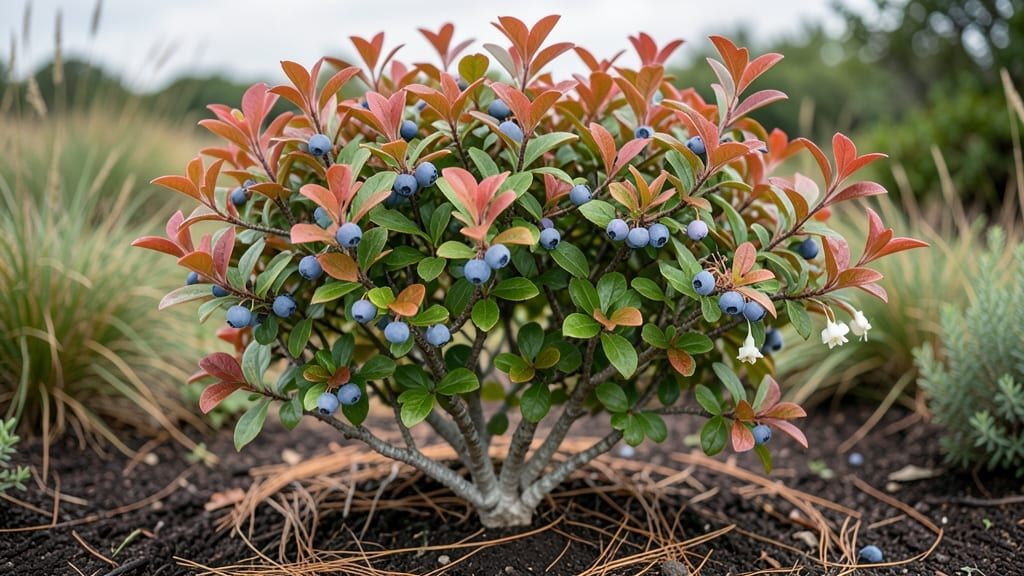
Blueberry leaves turning red isn’t just a fall show—it’s your tree’s way of telling you something. 🌿 Whether it’s a nutrient craving, stress signal, or natural beauty, understanding the cause means healthier berries next season.
I’ve seen this happen with my own bushes, and the difference between a worried gardener and a confident one comes down to knowing what to look for.
The red shift often starts with phosphorus or potassium hunger, especially in sandy soils. But it could also be drought stress, fungal pressure, or even too much nitrogen. Start by checking leaf edges—crispy?
That’s drought. Yellow veins? Likely a nutrient imbalance. My bushes turned red last autumn, and a simple soil test revealed they needed magnesium. A quick amendment with Epsom salt fixed it within weeks.
Here’s the good news: red leaves don’t mean death. With the right approach—whether it’s adjusting fertilizer, pruning for airflow, or treating for pests—you’ll see those leaves return to vibrant green by spring.
The key is acting before winter sets in. I’ll walk you through the exact steps to diagnose and fix it, so your tree stays productive and your berry harvest stays sweet.
This works for both container-grown and in-ground blueberries, no matter your zone. The same principles apply whether you’re dealing with a young sapling or a mature bush.
Let’s get those leaves back to their berry-producing best—and keep that fall color coming back every year, not as a warning sign, but as a sign of health.
Natural Causes Behind Reddening Leaves
When your blueberry tree’s leaves blush with fiery red hues, it’s often a stunning display of nature’s chemistry—rather than a sign of distress. Here’s why your tree might be putting on this autumnal show, broken down by the most common triggers:
Blueberry trees, like many deciduous plants, undergo chlorophyll breakdown as daylight shortens and temperatures dip. Chlorophyll—the green pigment responsible for photosynthesis—gradually degrades, revealing other pigments that were always present but masked:
- Anthocyanins (red/purple pigments) surge in response to bright sunlight and cool nights, creating that vibrant red flush.
- Carotenoids (yellow/orange pigments) also become visible, though red dominates in blueberries due to their genetic makeup.
- Actionable tip: If your tree is healthy, this is normal! Embrace the color change—it means your tree is transitioning into dormancy as designed. 🍂
While seasonal shifts are harmless, sudden reddening can signal environmental stress. Here’s how to tell the difference:
| Cause | Leaf Behavior | What to Do |
|---|---|---|
| Water stress (drought or overwatering) | Leaves turn red unevenly, may curl or wilt. Check soil moisture 2–3 inches deep. | Adjust watering: 1–1.5 inches per week (deep soak, not frequent light watering). Mulch to retain moisture. 💦 |
| Nutrient deficiency (especially phosphorus or potassium) | Reddish-purple veins or edges, stunted growth. Test soil pH (ideal: 4.5–5.5 for blueberries). | Apply a balanced fertilizer (e.g., 10-10-10) in early spring. For acid-loving blueberries, use sulfur or peat moss to lower pH. 🌱 |
| Temperature fluctuations (late frost or heatwaves) | Red patches appear after sudden cold snaps or extreme heat. Leaves may also show scorch marks. | Protect young trees with frost cloth in spring/fall. Mulch heavily to insulate roots. ❄️☀️ |
Pro tip: If reddening is localized (e.g., only on one branch) or paired with other symptoms (yellowing, spots, or leaf drop), investigate further—it could signal disease or pests. 🔍
Not all red leaves are harmless. If reddening is accompanied by these red flags, your tree may be under attack:
- Leaf spot diseases (e.g., Elsinoe or Botrytis): Red/brown spots with yellow halos, often in wet conditions.
- Spider mites: Tiny webs + stippled red/yellow leaves (mites suck sap, causing stress pigments).
- Root rot or fungal infections: Reddish-brown leaves + mushy stems (common in poorly drained soil).
Action steps:
- Inspect undersides of leaves for pests or fungal growth. 🔬
- Prune affected branches 1 inch below damage and dispose of them (don’t compost!).
- Apply neem oil or copper fungicide if disease is suspected. For mites, spray with water to knock them off. 💧
- Improve airflow by thinning dense foliage to prevent future outbreaks.
💡 Key distinction: Stress-induced red is usually uniform across leaves, while disease/pest damage is patchy or irregular.
Quick Fixes for Vibrant Blueberry Leaves
If your blueberry tree’s leaves are turning a stunning red—whether it’s a seasonal shift or a sign of stress—here’s how to address the issue with practical, garden-friendly solutions. Below, we’ve mapped common causes to their fixes, plus prevention tips to keep your tree thriving.
Red or purple-tinged leaves often signal a lack of key nutrients like nitrogen, phosphorus, or magnesium. Here’s how to correct it:
🔥 Step 1: Test Your Soil
- Grab a soil test kit (available at garden centers) or send a sample to a local extension office. This pinpoints exact deficiencies.
🍳 Step 2: Apply the Right Fertilizer
- Nitrogen deficiency? Use a balanced fertilizer (e.g., 10-10-10) or composted manure. Sprinkle around the base in early spring.
- Magnesium deficiency? Mix Epsom salt (1 tbsp per gallon of water) and spray on leaves weekly until color improves.
- Phosphorus deficiency? Opt for bone meal or a phosphorus-rich fertilizer (e.g., 5-10-5).
👨🍳 Step 3: Mulch for Long-Term Health
- Spread 2–3 inches of organic mulch (wood chips, straw) around the tree (keep it 6 inches from the trunk). This retains moisture and slowly releases nutrients.
Yellowing or reddening leaves can also mean soggy roots. Blueberry trees hate "wet feet."
🔥 Step 1: Check Drainage
- Dig a small hole near the tree. Fill it with water—if it doesn’t drain within 4–6 hours, your soil is too compacted.
🌡️ Step 2: Amend the Soil
- Mix in perlite, sand, or compost to improve aeration. Blueberries thrive in acidic, well-draining soil (pH 4.5–5.5).
🎯 Step 3: Adjust Watering Habits
- Water deeply 1–2 times per week (not daily). Let the top 2 inches of soil dry out between waterings.
- Pro tip: 💡 Install a soil moisture sensor to avoid guesswork.
Intense sun or heat can scorch leaves, turning them red or crispy. Protect your tree with these tricks:
🔪 Step 1: Provide Afternoon Shade
- If your tree is in a hot, exposed spot, add a light shade cloth (30–50%) during peak sun (11 AM–3 PM).
🥘 Step 2: Mulch Heavily
- Use straw or wood chips to insulate roots and keep soil cool.
✨ Step 3: Water Strategically
- Morning watering (before 10 AM) reduces evaporation. Avoid wetting leaves to prevent fungal issues.
Red leaves can signal an infestation (e.g., spider mites, aphids) or disease (e.g., powdery mildew). Act fast!
🔥 Step 1: Inspect Leaves
- Look for spots, webbing, or tiny bugs. Common culprits:
- Spider mites → Yellow stippling, fine webbing.
- Aphids → Sticky residue (honeydew), curled leaves.
👨🍳 Step 2: Treat Naturally
- Neem oil spray (1 tsp neem oil + 1 tsp mild soap per quart of water) kills pests without harming bees.
- Horticultural oil works for overwintering pests—apply in early spring.
🌡️ Step 3: Prune and Clean
- Remove damaged leaves and dispose of them (don’t compost if diseased).
- Sterilize pruners with rubbing alcohol between cuts.
Keep your blueberry tree’s leaves lush and vibrant with these proactive steps:
- 💡 Monitor pH yearly—blueberries need acidic soil. Test with a kit and amend with sulfur or peat moss if needed.
- 🌡️ Mulch annually to retain moisture and regulate temperature.
- 🍎 Prune in late winter to improve airflow and reduce disease risk.
- 🎯 Choose the right variety—some blueberries (e.g., ‘Patriot’) handle heat better than others.
- 🔥 Avoid over-fertilizing—too much nitrogen can burn roots. Stick to recommended doses.
Frequently asked questions
Is it normal for blueberry leaves to turn red in autumn?
Yes! This is a natural process called anthocyanin production, where chlorophyll breaks down and reveals red pigments. It’s especially common in cooler climates and happens as your tree prepares for dormancy. Think of it as nature’s way of putting on a fall show—no action needed unless leaves also appear crispy or spotted.
Could red leaves mean my blueberry tree is dying?
Not necessarily! Red leaves alone aren’t a death sentence, but check for these warning signs: uneven reddening, yellowing between veins, or leaf drop. If you see spots, webbing, or mushy stems, your tree may be stressed by disease, pests, or poor drainage. Act fast if leaves are wilting or crispy—these are red flags.
What’s the fastest way to fix nutrient deficiencies causing red leaves?
Start with a soil test to confirm deficiencies. For quick fixes: Epsom salt spray (1 tbsp/gallon) for magnesium, or bone meal for phosphorus. Apply 2–3 inches of mulch (wood chips or pine needles) to slowly release nutrients. Re-test soil in 6 weeks—blueberries respond well to consistent care!
Can I prune branches with red leaves?
Prune only if leaves are diseased (spots, holes, or webbing). Remove entire branches 1 inch below damage and sterilize your tools with rubbing alcohol. For healthy red leaves, wait until late winter to prune—this helps the tree recover before spring growth. Never prune in fall, as it stresses the tree before dormancy.
Will red leaves affect next year’s blueberry harvest?
Not if the reddening is seasonal! Healthy trees with red leaves still produce berries. However, severe deficiencies (like phosphorus or potassium) can reduce yield. Address issues by spring—focus on balanced fertilization and proper watering. A tree with vibrant green leaves by summer will reward you with a bountiful harvest.