
Featured
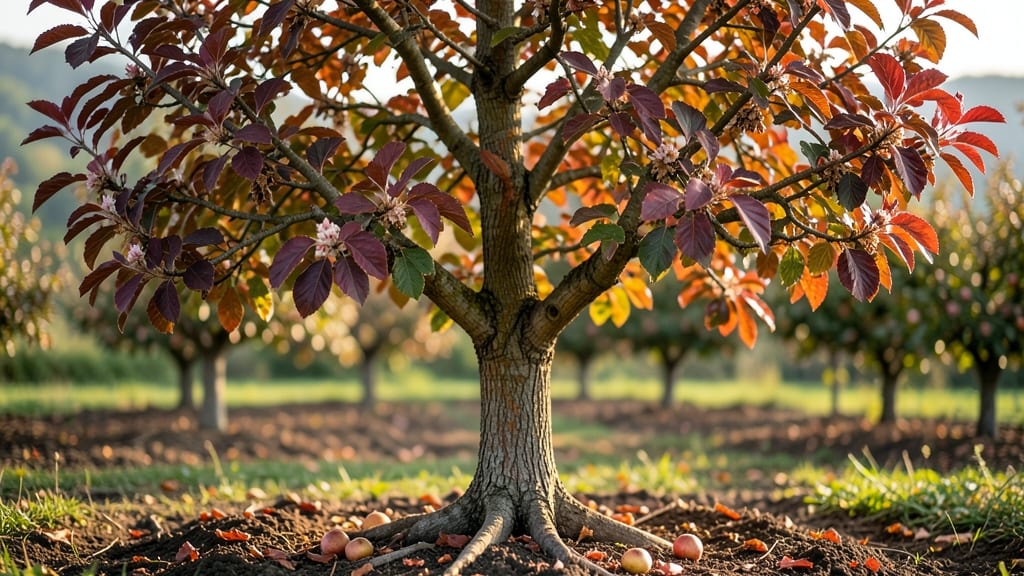
Apple tree leaves turning red isn’t always autumn’s natural show—sometimes it’s your tree’s distress signal. 🍂 I’ve seen this happen after a dry summer, nutrient deficiencies, or even fungal infections, and knowing the difference saves your harvest. The first step is distinguishing between healthy seasonal color and something requiring action.
Healthy red leaves in fall are crisp and vibrant, while stressed leaves often feel thin or have dark spots. Nutrient imbalances (like too much nitrogen or lack of phosphorus) cause gradual reddening, while fungal issues like anthracnose appear with yellow halos or black specks.
I’ve caught early anthracnose by pruning infected branches immediately—before it spreads.
Solutions start with proper care: water deeply but infrequently, apply balanced fertilizer in early spring, and thin branches for airflow. For fungal issues, a mix of baking soda and neem oil (1 tablespoon each per gallon of water) works wonders.
If leaves keep worsening, consult an arborist—some problems need professional intervention.
Prevention is easier than cure: mulch properly, avoid overhead watering, and monitor your tree weekly. A healthy apple tree won’t just bear fruit—it’ll put on a stunning (and natural) red display every fall. Here’s how to keep it that way.
Nature’s Color Palette Explained
When apple tree leaves transform into a stunning red, it’s not just a seasonal spectacle—it’s a fascinating biological process driven by science. Understanding the why behind this change helps you appreciate the artistry of nature and even troubleshoot unexpected color shifts.
Let’s break down the key factors that turn green leaves into fiery reds.
Most of the year, apple tree leaves appear green because of chlorophyll, the pigment that captures sunlight for photosynthesis. But as autumn arrives, chlorophyll breaks down, revealing other pigments that were always there—just hidden. Among these, anthocyanins steal the show by producing vibrant reds, purples, and oranges.
These pigments act like natural sunscreen for leaves, protecting them from excess sunlight and even helping them absorb nutrients before falling.
In apple trees, varieties like ‘Red Delicious’ or ‘Gala’ produce higher anthocyanin levels, leading to those bold red hues. Cooler nights and sunny days in fall trigger anthocyanin production, creating the perfect conditions for a dazzling display.
💡 Pro Tip: If your apple tree’s leaves are turning red earlier than expected, it might be a sign of stress (like drought or nutrient deficiency) rather than natural pigment change. Monitor the tree’s health closely.
As temperatures drop, apple trees prepare for winter by slowing down photosynthesis. This process reduces chlorophyll production, but it also leads to a buildup of sugars in the leaves. These sugars can react with anthocyanins, intensifying the red color.
However, if the tree is under stress—such as from drought, poor soil, or pest damage—it may produce even more anthocyanins as a defense mechanism. This can result in leaves turning red prematurely or in uncharacteristic patches. For example:
| Cause | Effect on Leaves |
|---|---|
| Water stress (drought) | Leaves may curl and turn red or bronze earlier than usual. |
| Nutrient deficiency (e.g., nitrogen, magnesium) | Yellowing (chlorosis) followed by red or purple tinges, especially on leaf edges. |
| Pest or disease damage | Irregular red patches or spots, often paired with wilting or spots. |
✨ Actionable Fix: If stress is the culprit, improve soil health with compost, ensure consistent watering, and check for pests like aphids or mites. A balanced fertilizer can also help restore leaf color.
The magic of red leaves often depends on weather conditions. Ideal scenarios for anthocyanin production include:
- Cool nights (below 50°F/10°C): Slows chlorophyll production while allowing sugars to accumulate.
- Sunny days (with temps between 60–75°F/15–24°C): Boosts sugar synthesis and anthocyanin development.
- Dry, crisp air: Enhances pigment visibility by reducing leaf moisture.
If autumn arrives with unusually warm or rainy weather, anthocyanins may not develop as vividly, leading to muted or greenish-red leaves. Conversely, a hard frost can cause leaves to turn red quickly but may also damage them prematurely.
🎯 Quick Check: Compare your tree’s reddening pattern to local weather trends. If the timing feels "off," climate factors might be at play.
Not all apple trees turn red in fall—and those that do vary in intensity. Some varieties are genetically predisposed to produce more anthocyanins:
- ‘Red Delicious’: Deep red leaves and fruit.
- ‘Gala’: Bright red-orange foliage.
- ‘Honeycrisp’: Often develops red tinges.
- ‘Granny Smith’: Typically stays green but may blush red in stress.
If your apple tree isn’t known for red leaves but suddenly develops them, it could signal genetic quirks or a response to environmental changes.
For example, grafted trees (where a desirable variety is attached to a hardy rootstock) might show mixed leaf colors depending on which part of the tree is dominant.
📊 Fun Fact: Some apple trees, like ‘Evereste’, are bred specifically for their stunning fall foliage—making them a top pick for ornamental orchards!
Revive Your Apple Tree’s Health
If your apple tree’s leaves are turning an unexpected red—whether too early, too late, or in unnatural patches—don’t panic! The good news is that most causes have simple fixes.
Below, we’ve mapped out practical solutions for each common trigger, plus prevention tips to keep your tree thriving. Let’s get your apple tree back to its vibrant, productive best!
Red leaves often signal a hunger for key nutrients. Here’s how to feed your tree properly:
🔥 Fix Iron Deficiency (Chlorosis)
- Apply chelated iron (best absorbed by trees) in early spring or fall.
Follow package instructions for dosage—typically 1–2 pounds per 100 sq ft. - Use compost or worm castings around the base to improve soil microbial activity, which helps iron uptake. - Avoid overwatering, as soggy soil locks out nutrients.
🍳 Fix Nitrogen Lack (Pale Red or Yellowing)
- Spread 10-10-10 or 5-10-10 fertilizer (balanced NPK) in early spring, raking it into the top 2–3 inches of soil.
- Try organic options: Coffee grounds, blood meal, or alfalfa meal (1–2 cups per tree) work wonders.
- Mulch with aged leaves or pine needles to slowly release nitrogen over time.
👨🍳 Fix Potassium or Magnesium Shortages (Edge Redding)
- For potassium: Use a potassium sulfate fertilizer (0-0-50) or wood ash (sparingly—test soil first!).
- For magnesium: Mix Epsom salt (magnesium sulfate) into water (1 tbsp per gallon) and spray foliage in late summer.
- Test your soil every 2–3 years to avoid overcorrecting.
Overwatering or drought stress can turn leaves red. Adjust your watering routine with these fixes:
🥘 Fix Overwatering (Soggy Soil = Poor Root Health)
- Check soil moisture: Stick your finger 2–3 inches deep—if it’s damp, hold off on watering.
- Improve drainage: Amend clay soil with sand or perlite (mix 20% into the top 6 inches).
- Mulch properly: Use 3–4 inches of organic mulch (wood chips, straw) to retain moisture without suffocating roots.
⏰ Fix Drought Stress (Wilting or Crispy Edges)
- Deep water 1–2 times per week (1–2 inches of water per session) during dry spells.
- Water at the base, not the leaves, to prevent fungal diseases.
- Group trees with shrubs to create a microclimate that retains moisture.
Extreme heat, cold, or wind can trigger reddening. Protect your tree with these adjustments:
🔥 Fix Heat or Sunburn (Scorched Red Spots)
- Provide afternoon shade with a lightweight shade cloth (30–50%) during peak summer.
- Mulch heavily (4–6 inches) to cool root zones.
- Water deeply in the morning to reduce evaporation.
❄️ Fix Cold Damage (Winter Burn)
- Wrap young trees in burlap or tree guard before the first frost.
- Avoid late-season fertilizing, as new growth is more vulnerable to cold.
- Plant cold-hardy varieties (e.g., ‘Liberty’ or ‘Honeycrisp’) if your climate is harsh.
Pests and pathogens can stress your tree, leading to red leaves. Here’s how to combat them:
🔪 Fix Spider Mites or Aphids (Stippled Red Leaves)
- Spray with neem oil (1 tsp per quart of water) or insecticidal soap every 5–7 days until pests vanish.
- Introduce beneficial insects: Ladybugs or lacewings devour mites naturally.
- Prune affected branches and dispose of them in sealed bags.
🌡️ Fix Fungal Infections (Red Spots or Powdery Mildew)
- Remove infected leaves and sterilize pruners with rubbing alcohol.
- Apply copper fungicide (follow label rates) or a baking soda spray (1 tbsp baking soda + 1 tsp soap per gallon of water).
- Space trees properly (15–20 ft apart) to improve airflow.
- Test soil annually (use a home kit or lab service) to catch deficiencies early.
- Prune in late winter/early spring to remove dead wood and improve airflow.
- Avoid compacting soil around the trunk—step on mulch, not bare earth.
- Plant companion plants like chives or garlic to deter pests naturally.
Pro Tip: 🎯 If red leaves persist after 4–6 weeks of treatment, consult a local arborist—they can diagnose hidden issues like root rot or soil pH imbalances.
With these fixes, your apple tree should bounce back—and next season, you’ll enjoy lush green leaves and a bounty of crisp, sweet fruit! 🍏✨
Frequently asked questions
Is it normal for apple tree leaves to turn red in early summer?
No, red leaves in early summer aren't normal and usually indicate stress. Check for drought, nutrient deficiencies (like nitrogen or magnesium), or pest damage. Healthy apple trees only develop red foliage in fall when chlorophyll breaks down naturally. If you see red leaves before autumn, address watering or soil issues immediately.
Can I still harvest apples if the leaves turn red?
Yes, but monitor the tree's health first. Red leaves from fall color won't harm fruit quality, but if caused by stress (like drought or disease), the apples may be smaller or less sweet. Focus on fixing the underlying issue while harvesting—just avoid trees showing signs of fungal infections (like black spots) that could affect fruit quality.
What's the difference between red leaves from fall color and disease?
Fall red leaves appear uniformly across the tree and are crisp, while diseased leaves often show irregular red patches with yellow halos or black spots. Check for other symptoms: curling, wilting, or premature leaf drop suggest disease. Healthy fall color starts at the leaf edges and progresses inward evenly.
Will pruning help if my apple tree leaves are turning red?
Pruning alone won't fix red leaves, but it helps when combined with other treatments. Remove only dead, diseased, or crossing branches in late winter/early spring. This improves airflow and reduces stress. For red leaves caused by pests or disease, prune infected branches immediately and dispose of them properly.
Can I use regular garden soil to fix red leaves?
No, regular garden soil often lacks the nutrients apple trees need. Use a mix of compost and native soil (60% soil, 40% compost) to improve fertility. For specific deficiencies, amend with chelated iron (for chlorosis) or Epsom salt (for magnesium). Always test your soil first to target the exact issue.