
Trees
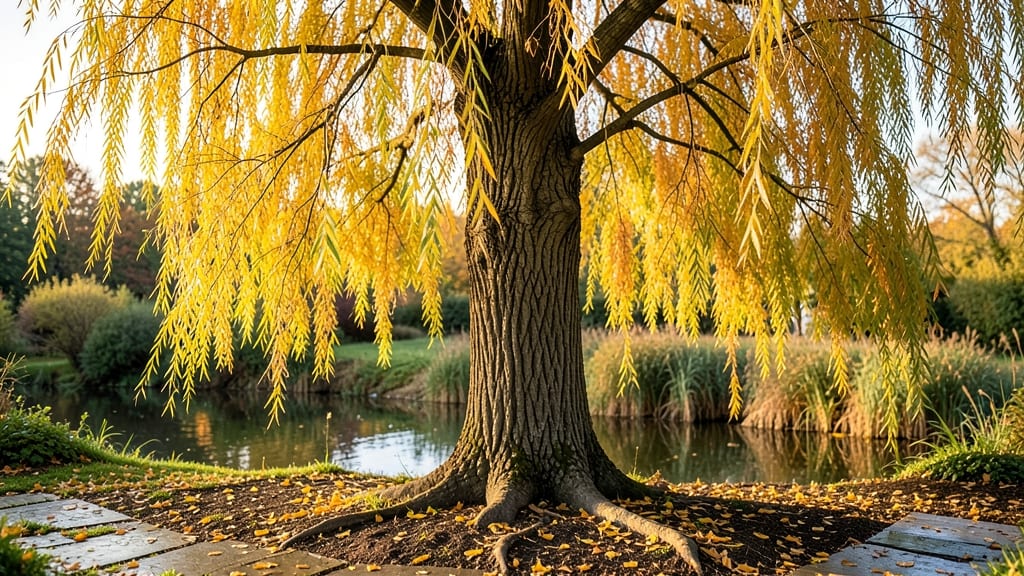
Poplar tree leaves in fall transform into stunning yellows, golden-browns, or muted browns before falling, with cottonwoods often showing duller tones. Lush autumn colors signal good health, while premature browning or patchy discoloration may indicate stress or disease. Leaf shape, size, and fading timing help distinguish between species—cottonwoods release leaves early, while aspens hold theirs longer.
Fall is when poplar trees reveal their true character through their leaves' dramatic color shifts. 🌿 The biochemical process starts with chlorophyll breaking down, exposing hidden pigments like carotenoids (yellows and oranges) and anthocyanins (reds and purples).
Cottonwoods, for example, often develop duller browns because their leaves contain more tannins, which accelerate aging. Aspens, on the other hand, can hold their vibrant yellows well into November, making them a standout in autumn landscapes.
Understanding these patterns isn't just about aesthetics—it's a health check for your trees. A tree under stress from drought, pests, or disease may skip the vibrant phase and turn brown prematurely, or develop uneven patches.
For gardeners, this means paying attention to leaf shape (cottonwoods have triangular leaves, while aspens are more rounded) and fading speed (cottonwoods drop in October, aspens linger). These clues can help you identify species and diagnose potential issues before they become serious.
💡 In This Article
- Why Poplar Leaves Change Color in Autumn
- Identifying Poplar Species by Fall Foliage
Why poplar leaves change color in autumn
The vibrant fall colors in poplar leaves begin with a biochemical cascade triggered by shorter daylight and cooler temperatures. Chlorophyll, the green pigment responsible for photosynthesis, breaks down as the tree prepares for dormancy.
This process exposes carotenoids (yellow and orange pigments) and xanthophylls (golden hues) that were always present but masked by chlorophyll. In cottonwoods, you'll often see muted browns because their leaves contain higher levels of tannins, which accelerate the aging process and create a duller finish. 🌿
Anthocyanins—those deep red and purple pigments—play a role too, especially in stressed trees. When poplars face drought or nutrient deficiencies, they produce more anthocyanins as a protective mechanism, which can lead to premature browning rather than the bright yellows seen in healthy trees.
The timing matters: cottonwoods typically start changing in late September, while aspens hold their green longer, often shifting to golden hues in October before dropping in November. This delayed color shift is due to aspen's slower chlorophyll breakdown rate.
Environmental stress accelerates the color change process. For example, a poplar tree experiencing water stress may develop patchy brown areas where chlorophyll degrades unevenly. Pests like aphids or fungal infections can also disrupt the natural color progression, causing leaves to turn brown prematurely or develop irregular patterns.
Healthy trees, however, follow a predictable sequence: green fades to yellow, then golden-brown, and finally crisp brown before abscission (leaf drop).
Leaf health directly reflects tree vitality. A tree with vibrant fall colors is likely well-nourished and disease-free, while dull or patchy foliage signals underlying issues.
For instance, cottonwoods with excessive brown spots might be suffering from bacterial leaf spot, whereas aspens with uneven yellowing could be reacting to early frost damage. Observing these patterns helps gardeners and arborists assess tree health before winter sets in. 🌳
Interestingly, the color intensity also depends on the tree's location. Poplars in cooler climates with crisp autumns tend to display more vibrant hues than those in warmer regions, where the transition is more gradual.
This regional variation explains why some cottonwoods in northern gardens turn a rich amber, while their southern counterparts fade to a dull tan. The key takeaway: pay attention to both the color and the timing of the change—they're your tree's way of communicating its condition.