
Trees
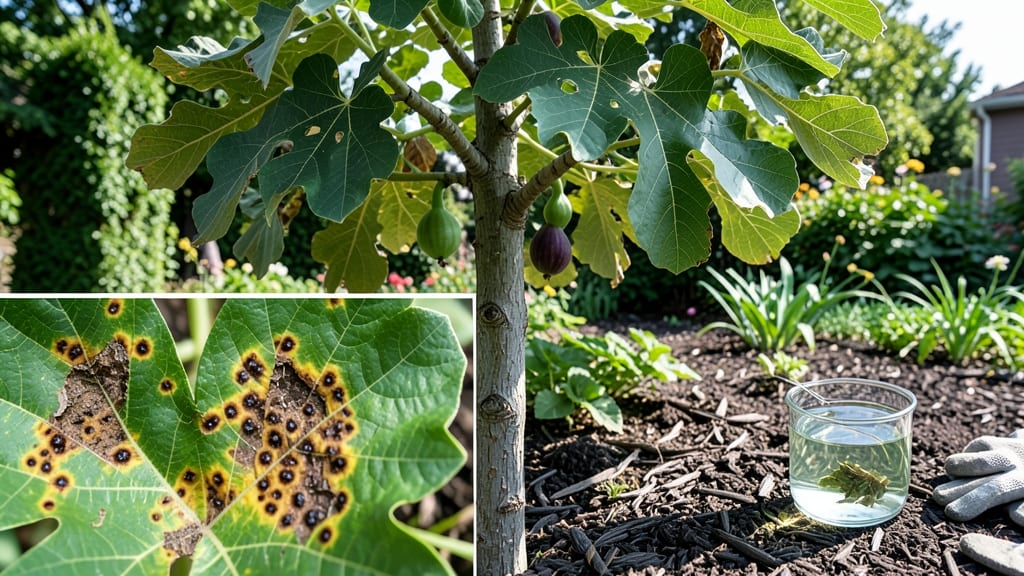
Fig tree leaves turning yellow with brown spots? That’s your tree’s SOS signal—and it’s fixable. 🌿 I’ve nursed back more than a few fig trees from this exact problem, and the solution usually starts with checking three key areas: soil health, watering habits, and leaf conditions.
The good news? Most causes are easy to diagnose once you know what to look for.
Overwatering or poor drainage often triggers those yellow patches, but nutrient deficiencies (especially iron or zinc) and fungal infections like leaf spot can mimic the symptoms. Start by inspecting the undersides of leaves for powdery residue or tiny black dots—those are dead giveaways.
Then, dig into the soil: compacted or waterlogged dirt cuts off oxygen, and your fig’s roots scream for help.
Once you pinpoint the issue, the fix is straightforward. For fungal spots, a copper fungicide spray (applied in the morning) works wonders, and pruning affected leaves stops the spread.
Nutrient deficiencies? A chelated iron supplement or compost tea revives the tree in weeks. The key is acting fast—before the spots spread to new growth.
Prevention is simple: water at the base (never overhead), mulch to keep roots cool, and fertilize in early spring with a balanced 10-10-10 mix. If the problem persists after a month of care, it’s time to call an arborist—sometimes deeper soil issues or pests are hiding in plain sight.
Root Causes Behind Yellowing Spots
When your fig tree’s leaves start showing yellow patches with brown edges, it’s often a cry for help from the plant itself. These symptoms rarely appear out of nowhere—they’re usually a response to stress, poor care, or hidden issues lurking in the soil or environment.
Below, we break down the most common culprits, from nutrient deficiencies to fungal infections, so you can diagnose the problem like a pro.
Fig trees thrive when their soil is rich in essential nutrients, but an imbalance can trigger yellowing and browning. Here’s what’s likely missing—and how to spot it:
- ⚠️ Iron or Chlorosis (Yellowing Between Veins) - Why it happens: Iron deficiency (often called iron chlorosis) is one of the most common issues in fig trees, especially in alkaline or calcareous soils.
Iron is crucial for chlorophyll production, and when it’s locked out of the plant’s reach, leaves turn yellow between the veins while the veins stay green. - Actionable fix: Test your soil’s pH (ideal range: 6.0–7.0 for figs).
If it’s too high, amend with chelated iron or sulfur to lower pH. For quick relief, apply iron sulfate or Epsom salt (magnesium sulfate) to the soil.
- 💡 Magnesium Deficiency (Yellow Edges) - Why it happens: Magnesium is a key player in chlorophyll, and a deficiency often shows as yellowing along leaf edges (a condition called interveinal chlorosis).
This is common in sandy or overly acidic soils where magnesium leaches out. - Actionable fix: Spread Epsom salt (magnesium sulfate) around the base of the tree and water it in. Repeat every 4–6 weeks during growing season.
- 🌿 Nitrogen Starvation (Overall Pale Yellowing) - Why it happens: Nitrogen is the building block of protein and chlorophyll.
If leaves turn uniformly yellow (not just spotted) and growth slows, your fig tree is likely nitrogen-deficient. - Actionable fix: Apply a balanced fertilizer (10-10-10 or 20-20-20) in early spring. For organic options, use composted manure or blood meal.
Brown spots with yellow halos are often a red flag for fungal diseases, which thrive in humid, poorly ventilated conditions. Here’s how to identify and treat them:
- 🍅 Anthracnose (Dark Brown Spots with Yellow Rings) - Why it happens: This fungal disease (Colletotrichum spp.) targets fig trees in wet, warm conditions, causing sunken, brown lesions with yellow borders.
It spreads via wind, water, or contaminated tools. - Actionable fix: - Prune infected leaves immediately and dispose of them (don’t compost). - Apply fungicide (copper-based or neem oil) every 7–10 days until new growth appears. - Improve airflow by thinning dense foliage and watering at the base (not overhead).
- 🍂 Rust Fungus (Orange-Yellow Pustules) - Why it happens: Rust (Puccinia spp.) creates raised, orange pustules on the undersides of leaves, which eventually turn brown and crunchy.
It weakens the tree by blocking sunlight. - Actionable fix: - Remove and destroy infected leaves to stop spore spread. - Spray with sulfur or copper fungicide before symptoms appear (preventative care is key!). - Avoid overhead watering to reduce humidity around leaves.
Sometimes, the problem isn’t a deficiency or disease—it’s the weather or your watering habits. Fig trees are resilient, but extreme conditions can still cause stress:
- ☀️ Heat Stress (Scorched Brown Edges) - Why it happens: Intense heat or drought stress causes leaves to wilting and browning at the edges, especially in young or newly transplanted trees.
Fig trees prefer moderate climates (USDA zones 7–10) and struggle in extreme heat. - Actionable fix: - Mulch heavily (3–4 inches of wood chips) to retain moisture. - Water deeply 2–3 times per week (early morning) during heatwaves. - Provide afternoon shade with a light cloth shade cover if temps exceed 95°F (35°C).
- ❄️ Cold Damage (Brown, Crispy Leaves)
- Why it happens: Fig trees are semi-tender and can suffer cold damage below 20°F (-6°C), leading to brown, brittle leaves even if the tree survives.
- Actionable fix:
- Mulch thickly in fall (up to 6 inches) and wrap the trunk with burlap.
- Choose cold-hardy varieties (e.g., ‘Chicago Hardy’) if you’re in zone 6 or colder.
- Avoid pruning in late fall—wait until spring to assess damage.
- 💦 Overwatering or Poor Drainage (Yellow, Mushy Leaves) - Why it happens: Fig trees hate soggy roots.
Overwatering or compacted, clay-heavy soil leads to root rot, causing leaves to turn yellow and drop with brown, mushy spots. - Actionable fix: - Check soil moisture—stick your finger 2 inches deep; water only if dry. - Amend soil with perlite or sand to improve drainage. - Ensure pots have drainage holes (if container-grown).
Don’t overlook pests—they can weaken fig trees, making them vulnerable to secondary infections. Look for:
- 🐜 Spider Mites (tiny webs + stippled yellowing)
- 🐛 Scale Insects (sticky residue + brown, curled leaves)
- 🐛 Aphids (clustered on new growth, causing distortion)
Actionable fix:
- Blast leaves with a strong water spray to dislodge pests.
- Use insecticidal soap or neem oil (repeat every 5–7 days).
- Introduce beneficial insects (ladybugs, lacewings) for natural control.
Quick Fixes for Fig Tree Foliage
Reviving your fig tree’s vibrant green leaves starts with identifying the root cause—and acting fast! Below are practical, step-by-step solutions tailored to the most common triggers behind yellowing and brown-spotted leaves.
Whether it’s a nutrient deficiency, pest invasion, or environmental stress, these fixes will help your tree bounce back to health.
If your fig tree’s leaves are yellowing with brown edges, it’s likely starving for essential nutrients. Here’s how to fix it:
🔥 Step 1: Test Your Soil
Before adding fertilizers, know what’s missing!
- Grab a soil test kit (available at garden centers) or send a sample to a local extension office.
- Focus on nitrogen (N), potassium (K), magnesium (Mg), and iron (Fe)—common deficiencies in fig trees.
🍳 Step 2: Apply the Right Fertilizer
- For nitrogen deficiency (pale yellow leaves):
- Use a balanced fertilizer (10-10-10 or 20-20-20) in early spring.
- DIY fix: Mix 1 cup of compost + 1 tbsp Epsom salt (for magnesium) into the top 6 inches of soil.
- For iron deficiency (yellowing between veins):
- Sprinkle iron chelate granules around the base and water deeply.
- Quick spray: Mix 1 tsp iron sulfate in 1 gallon of water and spray leaves (apply in the morning to avoid leaf burn).
- For potassium deficiency (brown leaf edges):
- Use a potassium-rich fertilizer (like 0-0-50) or wood ash (½ cup per tree, lightly worked into soil).
👨🍳 Step 3: Improve Soil Drainage Fig trees hate soggy roots!
If your soil is compacted or waterlogged: - Amend with organic matter: Mix in compost, coconut coir, or perlite to loosen the soil. - Raise the tree (if in a pot): Ensure pots have drainage holes and elevate them on feet to prevent water pooling.
⏰ Prevention Tips
✨ Feed regularly: Fertilize every 4-6 weeks during growing season (spring to early fall). ✨ Mulch wisely: Use 2-3 inches of mulch (wood chips or straw) to retain moisture and nutrients—but keep it 6 inches away from the trunk. ✨ Water deeply but infrequently: Figs prefer dry spells between waterings.
Let the top 2 inches of soil dry out before watering again.
Brown spots with a sticky residue, holes, or fungal growth? Pests or diseases are likely the culprits.
🔪 Step 1: Identify the Problem
| Symptom | Likely Cause | Fix It Fast |
|---|---|---|
| Sticky leaves + ants | Aphids or scale insects | Spray neem oil or insecticidal soap |
| Yellow spots + white mold | Powdery mildew | Apply baking soda spray (1 tsp baking soda + 1 quart water + a drop of dish soap) |
| Chewed leaves | Caterpillars or beetles | Handpick pests or use BT (Bacillus thuringiensis) spray |
| Black spots + leaf drop | Fig rust or bacterial leaf spot | Prune infected leaves and spray copper fungicide |
🌡️ Step 2: Treat Infestations
- For soft-bodied pests (aphids, mites):
- Neem oil spray: Mix 1 tbsp neem oil + 1 tsp mild soap + 1 quart water.
Spray early morning or late evening (avoid direct sun). - Horticultural oil: Apply in dormant season (winter) for a stronger kill. - For fungal diseases: - Prune infected branches with sterilized shears (wipe with rubbing alcohol between cuts). - Improve airflow: Thin out dense foliage to reduce humidity around leaves. - Copper fungicide: Follow label instructions for preventative sprays every 2-3 weeks.
🎯 Prevention Tips
💡 Inspect regularly: Check undersides of leaves and new growth weekly. 💡 Encourage natural predators: Plant marigolds or lavender nearby to attract ladybugs and lacewings. 💡 Avoid overhead watering: Water at the base to keep leaves dry and discourage fungal growth.
Too much sun, heat, or cold can shock your fig tree, causing stress-related yellowing and browning.
🌡️ Step 1: Check Light & Temperature
- Too much sun? Move potted figs to partial shade (6+ hours of sunlight is ideal).
- Cold damage? Figs thrive in USDA Zones 8-11.
If in a colder zone: - Mulch heavily in winter (use straw or leaves). - Wrap the trunk with burlap or frost cloth for young trees. - Water deeply before frost to protect roots.
💧 Step 2: Fix Watering Woes
- Overwatering? Let soil dry out between waterings—figs hate wet feet!
- Underwatering? Yellowing with crispy edges? Water deeply 2-3 times per week (adjust for heat).
- Salt buildup? If using tap water, flush soil with distilled water every few months.
✨ Prevention Tips
🔥 Acclimate gradually: If moving a potted fig, harden it off over 1-2 weeks to adjust to new light conditions. 🌡️ Monitor microclimates: Figs in containers may need winter protection even in warm zones—move to a garage or shed if temps drop below 40°F. 🥗 Use rainwater or filtered water: High chlorine/salt content in tap water can stress roots.
Pro Tip: 🌿 Prune strategically! Remove yellow/brown leaves to redirect energy to healthy growth. Use sterilized pruners to prevent disease spread.
Frequently asked questions about fig tree leaf spots
Why do fig tree leaves turn yellow with brown spots first?
Yellowing often appears first because the plant loses chlorophyll (the green pigment) when stressed. The brown spots develop later as the leaf tissue dies from nutrient deficiencies, fungal infections, or environmental damage. Think of it like a warning light—yellowing signals the problem, while brown spots confirm it’s worsening.
Can I save my fig tree if half the leaves have brown spots?
Yes, but act fast! Prune the affected leaves immediately to stop the spread, then identify the cause (fungus, pests, or nutrient issues). Most fig trees recover fully within 4-6 weeks with proper care. If more than 50% of the canopy is damaged, focus on reviving the tree’s roots first by improving soil drainage and adding compost.
What’s the difference between fungal spots and heat damage?
Fungal spots (like anthracnose) appear as dark, raised lesions with yellow halos, often on leaf undersides. Heat damage shows as uniform brown edges that crisp up like paper, usually on leaves exposed to direct afternoon sun. Check for other signs: fungal spots spread quickly, while heat damage stays localized to sun-facing leaves.
How often should I spray fungicide if my fig has leaf spots?
Start with a copper fungicide spray every 7-10 days until new growth appears (usually 4-6 weeks). For prevention, switch to monthly sprays during humid seasons. Always apply in the early morning to avoid leaf burn, and water at the base—not overhead—to reduce fungal spores in the air.
Will Epsom salt help if my fig leaves are yellow with brown edges?
Possibly! If the yellowing is along leaf edges (magnesium deficiency), dissolve 1 tablespoon of Epsom salt in 1 gallon of water and spray the leaves weekly for 3-4 weeks. For brown edges from heat stress, Epsom salt won’t help—focus on providing afternoon shade and deep watering instead. Test a small leaf first to check for sensitivity.