
Pruning
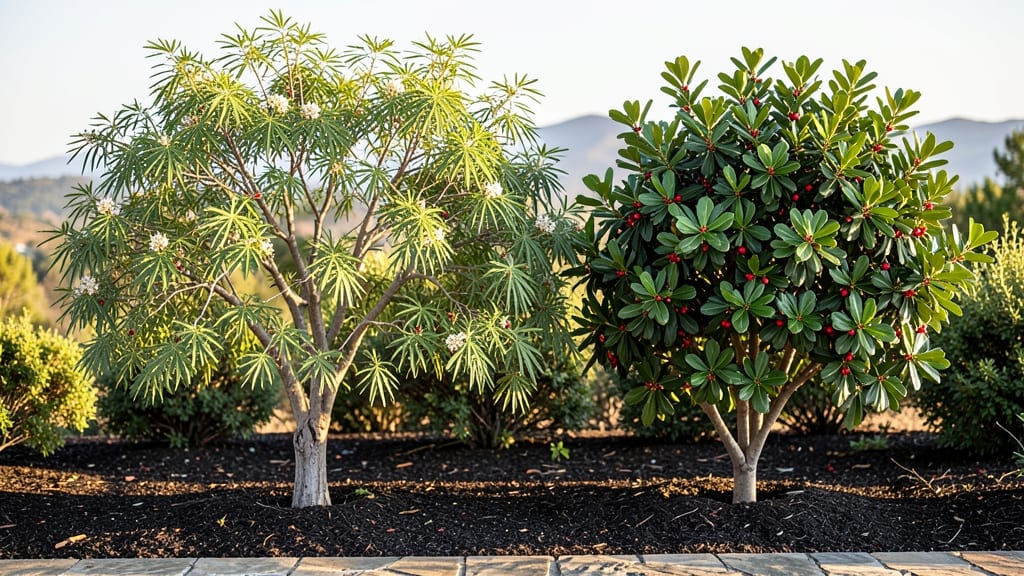
California pepper trees and Brazilian pepper trees both deliver that signature peppery scent, but their growth habits couldn’t be more different. 🌳 I’ve pruned both for years, and while they’re cousins in the Schinus family, one thrives as a tidy ornamental while the other needs serious restraint to stay in check.
The California pepper tree (Schinus molle) grows slow to moderate, reaching 20-40 feet with a graceful, rounded shape that makes it perfect for shade trees or street plantings.
It handles pruning like a champ—just trim back 10-20% annually to maintain shape, and it rewards you with bright red berries that birds adore.
The Brazilian pepper tree (Schinus terebinthifolius), on the other hand, is a fast grower that can hit 40+ feet if left unchecked, with a dense, almost impenetrable canopy that’s why it’s considered invasive in some states.
Where the California pepper tree sips water like a teetotaler—drought-tolerant once established—the Brazilian version drinks like a sailor, needing regular watering (especially in hot climates) to keep up with its growth spurt.
Soil-wise, both love well-draining conditions, but the Brazilian tolerates poorer soil, making it the scrappy underdog of the two.
For pruning secrets, the key difference is timing and intensity: California pepper trees respond well to light pruning year-round, while Brazilian trees need heavy pruning in late winter to control their aggressive spread.
If you’re in USDA zones 8-11, the California is your go-to for curb appeal; if you’re in warmer zones (9-11) and want a tougher, faster-growing tree, the Brazilian delivers—but with caution.
The first product explained
Meet the California Pepper Tree (Schinus molle)—the sun-loving, drought-tolerant superstar of landscapes! 🌞✨ This evergreen tree is a favorite for its striking foliage, low-maintenance nature, and ability to thrive in hot, dry climates like Southern California. Whether you're a homeowner looking to add curb appeal or a landscaper seeking a hardy, fast-growing option, this tree delivers big on beauty and resilience.
🌿 Key Specs & Features
Here’s what makes the California Pepper Tree a standout:
- Mature Height: 15–25 feet (can be pruned to control size)
- Spread: 15–25 feet (round, symmetrical shape)
- Growth Rate: Moderate to fast (12–24 inches per year)
- Sunlight Needs: Full sun (6+ hours daily)
- Water Requirements: Drought-tolerant once established (water deeply but infrequently)
- Soil Type: Adaptable (sandy, loamy, or clay soils)
- Cold Hardiness: USDA Zones 8–11 (tender to light frosts)
- Foliage: Bright green, pinnate leaves with a fine texture; turns reddish in cooler months
- Flowers/Fruit: Tiny white flowers in spring; bright red berries (edible in moderation, but toxic in large quantities)
🎯 Who’s It For?
The California Pepper Tree is a versatile choice for:
- Homeowners: Ideal for patios, driveways, or as a privacy screen due to its dense foliage.
- Landscapers: Perfect for Mediterranean-style gardens, desert landscapes, or urban settings where low water use is key.
- Wildlife Enthusiasts: Birds love the berries, and its dense branches provide shelter for small creatures.
- Pruning Beginners: Its structured growth makes it easier to shape compared to some other evergreens.
💰 Price Point & Value
Pricing varies based on size and supplier, but here’s a general range for container-grown trees:
| Size (Pot/Height) | Price Range (USD) |
|---|---|
| 1-gallon (1–2 ft) | $25–$50 |
| 5-gallon (3–4 ft) | $60–$120 |
| 15-gallon (6–8 ft) | $150–$250 |
| 25-gallon (10+ ft) | $300–$500+ |
Pro Tip: 💡 Buying a larger tree upfront can save money on long-term watering and care, but smaller trees are easier to transplant and prune initially.
The second product explained
Meet the Brazilian Pepper Tree (Schinus terebinthifolius), the fast-growing, hardy powerhouse that’s stealing the spotlight in warm climates! 🌿 Known for its vibrant red berries and dense foliage, this evergreen tree is a favorite among landscape designers and homeowners looking for year-round color and structure.
🌳 Key Specs & Features
- Native Range: Originally from South America, thrives in USDA Zones 9-11 (and beyond with protection).
- Growth Rate: Rapid—expect 3-6 feet per year under ideal conditions! 🚀
- Mature Size: Typically 20-40 feet tall, with a spread of 15-30 feet (pruning can control height).
- Foliage: Glossy, dark green leaves with a leathery texture; turns reddish-purple in cooler months.
- Flowers & Fruit: Fragrant white flowers in spring, followed by clusters of bright red berries (edible but spicy—like pepper! 🌶️).
- Drought Tolerance: Once established, handles dry spells like a champ.
- Soil Preference: Adaptable but prefers well-draining, slightly acidic soil (pH 5.0-7.0).
🎯 Target Users
This tree is a dream for:
- Homeowners in warm climates (Florida, California, Texas, etc.) seeking fast-growing privacy screens or shade.
- Landscape designers looking for year-round interest with minimal maintenance.
- Wildlife enthusiasts—birds and small mammals love the berries!
- Pruning enthusiasts who enjoy structural shaping (more on that below!).
💰 Price Point & Availability
The Brazilian Pepper Tree is budget-friendly compared to its California counterpart, with prices varying by size:
| Size | Price Range (USD) | Best For |
|---|---|---|
| 1-3 gallon (small) | $30–$60 | Container gardening, small yards |
| 15-gallon (mature) | $150–$300 | Instant landscape impact |
| Balanced burlap (5-7 ft tall) | $250–$500+ | Privacy hedges, large properties |
Pro tip: 💡 Check local nurseries or online retailers like Fast-Growing-Trees.com or NatureHills for the best deals. Always verify invasiveness in your area—this tree can be aggressive in some regions!
✨ Pruning Perks
Unlike the California Pepper Tree, the Brazilian variety responds exceptionally well to pruning:
- Can be shaped into hedges, topiaries, or even a small tree with regular trims.
- Prune in late winter/early spring to encourage bushier growth.
- Remove dead or crossing branches year-round to maintain airflow.
Warning: 🌡️ Avoid heavy pruning in summer—it can stress the tree in hot climates.
Head-to-head comparison
Ready to dive into the nitty-gritty of pruning these two powerhouse trees? Let’s break down the California Pepper Tree vs. Brazilian Pepper Tree side by side, so you can decide which one fits your yard (and your pruning energy levels) like a glove! 🌿✂️
🌱 Growth Habits & Natural Shape
The first battle is fought in the genetics of these trees—how they grow naturally and how they respond to your pruning touch.
- California Pepper Tree:
- Grows as a multi-trunked shrub or small tree (10–25 feet tall).
- Naturally round and bushy, with a tendency to fill out horizontally.
- Dense foliage means it self-prunes slightly—dead branches drop on their own.
- Pro Tip: 💡 If left unpruned, it can become overly leggy at the bottom, so strategic pruning keeps it full and balanced.
- Brazilian Pepper Tree:
- Grows as a single-trunked tree (20–40 feet tall) with a pyramidal or columnar shape.
- More upright and structured than its California cousin, with a tapered silhouette.
- Less natural self-pruning—dead branches hang on longer, requiring more manual intervention.
- Pro Tip: ✨ For a manicured look, prune to encourage a tiered, layered canopy (think "Christmas tree" vibes).
✂️ Pruning Difficulty & Frequency
Not all trees are created equal when it comes to wielding those shears. Here’s how these two stack up in terms of pruning effort.
| Factor | California Pepper Tree | Brazilian Pepper Tree |
|---|---|---|
| Best Time to Prune | Late winter or early spring (before new growth). Avoid pruning in fall—it can stimulate new, tender growth that won’t survive frost. | Late winter to early spring, but can tolerate light pruning year-round (though avoid heavy cuts in summer heat). |
| Frequency | 1–2 times per year (light maintenance pruning can be done annually). | 2–3 times per year (more aggressive pruning needed to control height and shape). |
| Difficulty Level | Moderate—dense branches can be tricky to navigate, but less aggressive than Brazilian. | Harder—taller, thinner branches require ladders or tools for high pruning. |
| Safety Note | Watch for thorns (mildly sharp) when pruning. | THORNS ARE A MAJOR HAZARD! 🔥 Wear gloves and long sleeves—these suckers can draw blood. |
🎯 Pruning Goals & Results
What are you really trying to achieve? Let’s see how each tree responds to your pruning goals.
- California Pepper Tree:
- Goal: Full, Bushy Canopy
- Prune to open up the center for airflow and sunlight.
- Remove crossing or rubbing branches to prevent disease.
- Result: A lush, rounded hedge or small tree—great for privacy screens or foundation plantings.
- Goal: Height Control
- Can be topped (though this encourages bushier, less structured growth).
- Better to prune selectively to maintain a natural shape.
- Goal: Full, Bushy Canopy
- Brazilian Pepper Tree:
- Goal: Tapered, Tree-Like Silhouette
- Prune to encourage a central leader (main trunk) and layered branches.
- Remove suckers at the base to maintain a single-trunk look.
- Result: A stately, formal tree—ideal for parks or large landscapes.
- Goal: Windbreak or Screen
- Prune to create a dense, vertical barrier.
- Thin out inner branches to reduce weight and prevent breakage.
- Goal: Tapered, Tree-Like Silhouette
💰 Cost Considerations
Your wallet will thank (or groan at) you depending on which tree you choose. Here’s the breakdown:
| Factor | California Pepper Tree | Brazilian Pepper Tree |
|---|---|---|
| Purchase Cost (Young Tree) | $30–$80 (small nursery-grown specimen). | $40–$120 (slightly pricier due to popularity and faster growth). |
| Pruning Tools Needed |
|
|
| Long-Term Maintenance Cost | Moderate—less frequent pruning and fewer tools needed. | Higher—more aggressive pruning, potential need for professional help for tall trees. |
🌡️ Climate & Care Requirements
Where you live matters when it comes to keeping these trees happy (and pruning-friendly).
- California Pepper Tree:
- Hardiness: Zones 9–11 (loves heat and drought once established).
- Soil Preference: Well-draining, even tolerates poor soil.
Which one should you choose?
So, which pepper tree reigns supreme for your pruning needs? The answer depends on your goals, climate, and maintenance style. Let’s break it down to help you decide!
🌳 Choose the California Pepper Tree If...
- You love a classic, drought-tolerant tree: If you’re in a Mediterranean or arid climate (like coastal California), this tree thrives with minimal water and handles heat like a champ. 🌞
- You want low-maintenance beauty: Its silvery foliage and elegant shape require less aggressive pruning—ideal for those who prefer a "set it and forget it" approach. ✂️😌
- You’re dealing with invasive species concerns: Unlike its Brazilian cousin, the California pepper tree isn’t invasive in most regions, making it a safer pick for native ecosystems.
- You prioritize wildlife-friendly features: Its berries attract birds and provide year-round interest without becoming a nuisance.
🌿 Opt for the Brazilian Pepper Tree If...
- You need fast growth and bold structure: If you’re restoring a landscape or need quick shade/screening, this tree grows aggressively and responds well to dramatic pruning. ⚡🌱
- You’re in a warm, humid climate: It thrives in Florida, Texas, and other tropical/subtropical zones where the California pepper tree might struggle. 🌴
- You enjoy hands-on pruning: Its dense growth and tendency to sucker mean you’ll get more creative with shaping—great for topiary or artistic designs! ✨🎨
- You’re okay with invasive risks (but manage them): If you’re proactive about controlling its spread (e.g., removing seedlings), this tree offers stunning red berries and year-round color.
💡 Pro Tip for Both:
Regardless of your choice, prune in late winter or early spring to encourage healthy growth and avoid stressing the tree. And if you’re in a mixed climate (like Southern California), consider the hybrid option—some nurseries sell crosses that blend the best traits of both! 🌿✨
Still unsure? Ask yourself: Do I need low-maintenance elegance or bold, fast-growing drama? Your answer will guide you to the perfect pepper tree! 🌟