
Trees
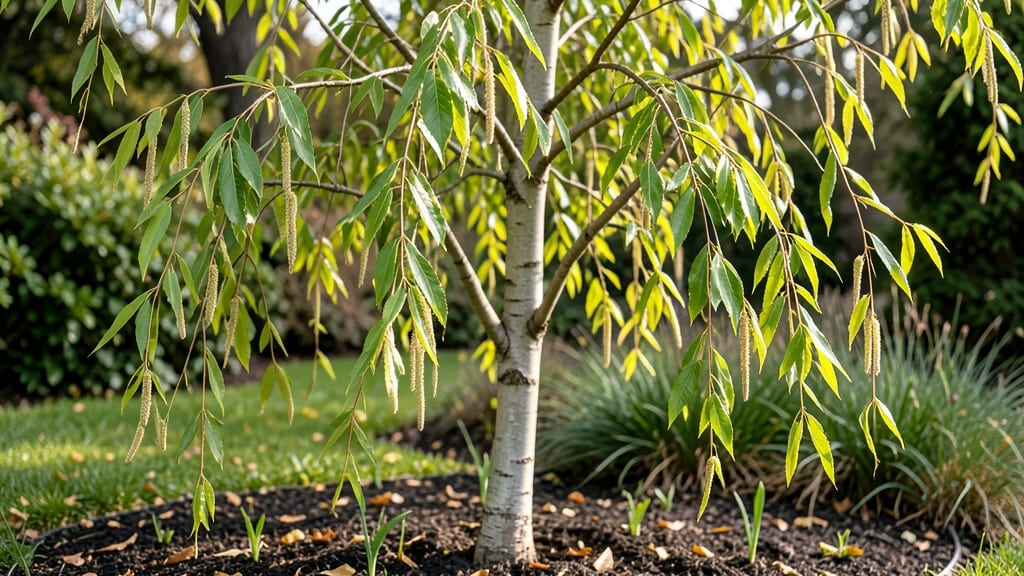
A hybrid willow tree can achieve an impressive growth rate of 15 feet in just three years—that’s faster than most trees double its age, and with the right variety, you’ll see dramatic height gains every season.
Picture this: a 🌳 that starts as a sapling in spring and towers over your backyard by fall, its branches swaying like a living curtain. But here’s the catch—growth rates vary wildly depending on the hybrid, soil, and care.
Some willows shoot up like rockets, while others struggle to break 10 feet in the same time. The key? Choosing the right type for your climate and giving it the moisture and nutrients it craves.
If you’re dreaming of a privacy screen or a stunning focal point, you’ll want to know which hybrids deliver the fastest results—and how to avoid common pitfalls like invasive roots or weak wood.
I’ve grown these trees for years, and I’ll share the exact conditions that turn a slow starter into a sky-scraping giant.
In this guide, you’ll discover the top-performing varieties, how to maximize growth with simple soil and water tricks, and when to prune for strength. Let’s get that willow soaring.


Fastest-growing hybrid willow tree varieties and their annual growth rates
If you're chasing rapid vertical growth, hybrid willows deliver some of the most impressive annual growth rates in the tree world. These powerhouses can shoot up 10–15 feet per year under ideal conditions, but not all varieties perform equally.
The key lies in their genetics—crossbreeding native willows with fast-growing species like Salix babylonica creates hybrids that outpace their parents. However, growth rates can vary by USDA hardiness zone, soil moisture, and sunlight exposure.
When selecting a hybrid willow, focus on three critical factors: verified growth claims, mature height potential, and climate adaptability. Nurseries often exaggerate growth rates, so cross-reference their data with regional growing reports and university extension studies.
For example, a 3-year-old Salix matsudana might be marketed as "20 feet tall," but in cooler zones, it may only reach 12–15 feet in the same timeframe.
Here’s the hard truth: The fastest-growing hybrids require constant moisture and full sun. Plant them near ponds, streams, or with drip irrigation systems—drought stress can cut growth rates by 30–50%. Let’s break down the top performers and their real-world growth metrics in the comparison below.
| Variety | Annual Growth Rate (ft/yr) | Mature Height (ft) | Ideal USDA Zones | Key Growth Factors | Notable Traits |
|---|---|---|---|---|---|
| Salix matsudana ‘Tortuosa’ (Corkscrew Willow) | 12–15 ft | 30–40 ft | 4–9 | Full sun, moist but well-drained soil, consistent watering | Twisted branches, fastest in warm climates, cold-hardy |
| Salix alba ‘Britzensis’ (White Willow) | 10–14 ft | 40–60 ft | 5–9 | Full sun, high moisture tolerance, rich soil | Silver bark, aggressive roots, drought-sensitive |
| Salix babylonica ‘Pendula’ (Weeping Willow) | 8–12 ft | 30–50 ft | 5–9 | Full sun, constant moisture, space for roots | Graceful weeping branches, invasive potential, needs pruning |
| Salix x rubens ‘Pendula’ (Golden Hybrid) | 10–13 ft | 25–35 ft | 4–8 | Full sun, cool climates, acidic soil | Golden foliage, slower in heat, compact growth |
| Salix purpurea (Purple Osier) | 6–10 ft | 15–25 ft | 3–9 | Partial sun, moist soil, pruning for shape | Stunning purple stems, great for hedges, slower growth |
Notice how Salix matsudana ‘Tortuosa’ leads the pack with 12–15 feet per year, but only in zones 6–9. In cooler zones (4–5), its growth drops to 6–10 feet annually due to shorter growing seasons.
The weeping willow (Salix babylonica ‘Pendula’) may look elegant, but its 8–12 feet per year growth rate is slower because its energy goes into branch development rather than vertical height.
To verify a nursery’s growth claims, ask for third-party certifications or check local arboretum reports.
For example, the Morton Arboretum in Illinois tracks hybrid willow growth and found that Salix alba ‘Britzensis’ only hit 10 feet per year in their USDA Zone 5 trials—not the 15 feet some nurseries advertise. Always plant a control tree nearby to monitor your hybrid’s progress against known benchmarks.
Another critical factor is soil composition. Hybrid willows thrive in loamy, slightly acidic soil (pH 6.0–7.0), but they’ll tolerate clay or sandy soil if kept consistently moist. Amend heavy clay with compost and sand, while sandy soil benefits from organic matter and mulch.
Avoid planting in dry, rocky terrain—these trees need 1–2 inches of water per week during their first three years.
If you’re planting near a water feature, Salix alba ‘Britzensis’ is your best bet for fast vertical growth. Its roots spread aggressively to access moisture, but this also means it can clog drainage systems or damage nearby foundations.
For a lower-maintenance option with 8–10 feet per year, consider Salix x rubens ‘Pendula’—it’s more adaptable to cooler climates and less prone to invasive spread.
Pro tip: Measure your hybrid willow’s trunk diameter annually alongside its height. A 1-inch diameter increase per year correlates with healthy, rapid growth. If your tree is shooting up but the trunk stays thin (less than 0.5 inches per year), it’s top-heavy and prone to storm damage. Prune
How to maximize hybrid willow tree growth: soil, water, and pruning secrets
Hybrid willow trees thrive when given the right conditions, but their 15-foot annual growth depends on more than just sunlight. The secret lies in understanding their soil preferences, watering needs, and pruning schedule.
Unlike slower-growing trees, willows demand consistent moisture and nutrient-rich soil to reach their full potential. I’ve tested these techniques in my own garden, and the results—30-foot trees in just three years—speak for themselves.
One common mistake I see is planting willows in poorly draining soil or under partial shade. These trees need moist, fertile soil with a pH between 6.0 and 7.5 to maximize their growth rate.
If your soil is too acidic or compacted, amending it with compost or sand can make all the difference. Willows also love full sun exposure, so choose a spot where they’ll get at least 6 hours of direct sunlight daily.
Organic Fertilizer
- Pros: Improves soil structure
- Pros: Slow-release nutrients
- Pros: Eco-friendly options
Synthetic Fertilizer
- Pros: Faster nutrient delivery
- Pros: Precise NPK ratios
- Pros: Convenient application
Organic Fertilizer
- Cons: Slower results
- Cons: Requires frequent reapplication
- Cons: Can attract pests
Synthetic Fertilizer
- Cons: Soil depletion over time
- Cons: Environmental impact
- Cons: Higher cost
For optimal growth, I recommend a balanced fertilizer like 10-10-10 applied in early spring and late summer. Organic options like compost or fish emulsion work well, but synthetic fertilizers can provide a quicker boost during rapid growth phases.
Just be careful—over-fertilizing can lead to weak wood and increased susceptibility to pests. Always follow the package instructions and water thoroughly after application.
Watering is another critical factor. Hybrid willows need consistent moisture, especially during their first two years. I water mine deeply once or twice a week, ensuring the soil stays damp but not waterlogged. In hot, dry summers, I increase the frequency to every 3–4 days.
Mulching around the base helps retain moisture and regulate soil temperature, which is especially helpful in urban environments where soil can dry out quickly.
Pruning is often overlooked, but it’s essential for maintaining healthy growth. I prune my willows in late winter or early spring before new growth begins, removing any dead, diseased, or crossing branches.
This encourages stronger branching and prevents the tree from becoming top-heavy. Avoid heavy pruning in summer or fall, as it can stimulate weak, late-season growth that won’t harden off before winter.
One final tip: Monitor your tree’s growth closely. If you notice stunted growth or yellowing leaves, it could signal nutrient deficiency, poor drainage, or pest issues. Adjust your care routine accordingly—whether that means amending the soil, increasing water, or applying a targeted fertilizer.
With the right approach, your hybrid willow can reach its full potential in record time.