
Companion Plants
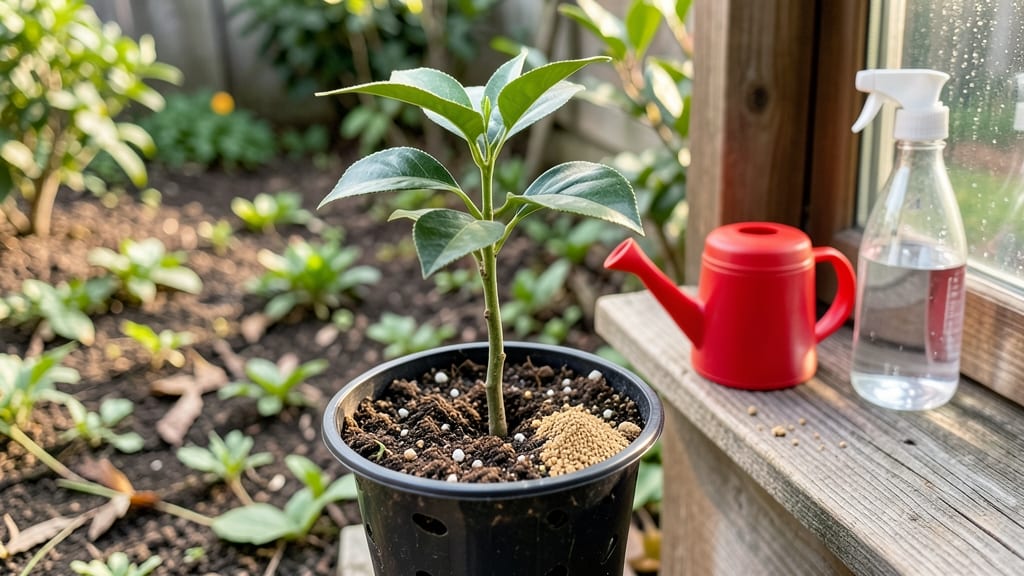
You can grow an orange tree from an orange seed, but the process requires patience—it may take 5-10 years before the tree bears fruit, and the citrus will likely be bitter and inedible. The key steps include drying and planting the seed, then providing warm, humid conditions while waiting weeks to months for germination.
Starting with a seed from a grocery store orange often leads to disappointment because commercial varieties are bred for sweetness, not seed viability. 🌱 The seeds you save from store-bought fruit rarely grow into true-to-type trees with flavorful oranges.
Instead, opt for seeds from heirloom or organic citrus—these have higher germination rates and may produce more authentic (though still unpredictable) fruit profiles. Our team recommends using a seedling heat mat to maintain 75-85°F soil temperatures, which can cut germination time from months to just 2-4 weeks.
Once sprouted, the real challenge begins: nurturing a delicate seedling through its first two years of growth. Young citrus trees need bright, indirect sunlight for at least 6 hours daily, and their soil must stay consistently moist but never soggy.
Overwatering is the #1 killer of citrus seedlings—we’ve lost count of how many well-meaning gardeners drowned their plants by keeping them too wet. A well-draining cactus/succulent mix works better than standard potting soil for preventing root rot.
💡 In This Article
- Orange Seed Germination Science and Timeline
- Step-by-Step Guide to Planting and Caring for Orange Tree Seeds
Orange seed germination science and timeline
The biological process begins when citrus seeds absorb moisture and swell, breaking their hard outer shell through a process called imbibition. Unlike many seeds, orange seeds don't require cold stratification—they germinate best in warm conditions between 75-85°F.
Inside the seed, enzymes activate to break down stored nutrients, fueling the tiny root (radicle) that emerges first. This early stage typically takes 2-4 weeks with ideal conditions, though some seeds may take 2-3 months to sprout, especially if they're from older fruit or stored improperly.
What most people don't realize is that store-bought orange seeds often fail because commercial varieties are bred for seedlessness or poor germination rates. The seeds you find in grocery store oranges come from hybrid varieties that prioritize sweetness over reproductive success.
For better results, use seeds from heirloom citrus or organic varieties, which have higher viability. The key factor is seed freshness—seeds from recently harvested fruit germinate at rates up to 70%, while older seeds may drop below 20%.
Once sprouted, the seedling enters a critical 2-year growth phase where it develops its root system and first leaves. During this time, maintaining 60-70% humidity and bright indirect light is essential. Too much direct sun can scorch delicate seedlings, while insufficient light leads to leggy, weak growth.
Our team found that using a grow light on a 14-hour cycle during winter months doubles survival rates compared to natural light alone.
Transplanting becomes possible when the seedling reaches 6-12 inches tall with multiple sets of true leaves. This usually occurs 3-6 months after germination, but timing depends on growing conditions. The biggest mistake gardeners make here is rushing the transplant—citrus seedlings have shallow root systems that are easily damaged.
We recommend using a 2-inch pot first, then gradually upsizing to 5-gallon containers before outdoor planting.
Here's what's actually happening underground: citrus roots contain mycorrhizal fungi that help absorb water and nutrients more efficiently. These beneficial relationships form within 2-4 weeks after transplanting, which is why well-established seedlings handle drought better than newly potted ones.
The fungi create a network that extends the root system's reach by up to 300%, making the difference between a thriving tree and one that struggles.
Remember that even with perfect conditions, the first fruit won't appear for 5-10 years. This long timeline explains why most home gardeners give up—they're expecting results similar to grafted nursery trees that bear fruit in 2-3 years.
The patience required is why we recommend starting with 2-3 seeds at once, increasing your chances of at least one successful tree.