
Landscaping
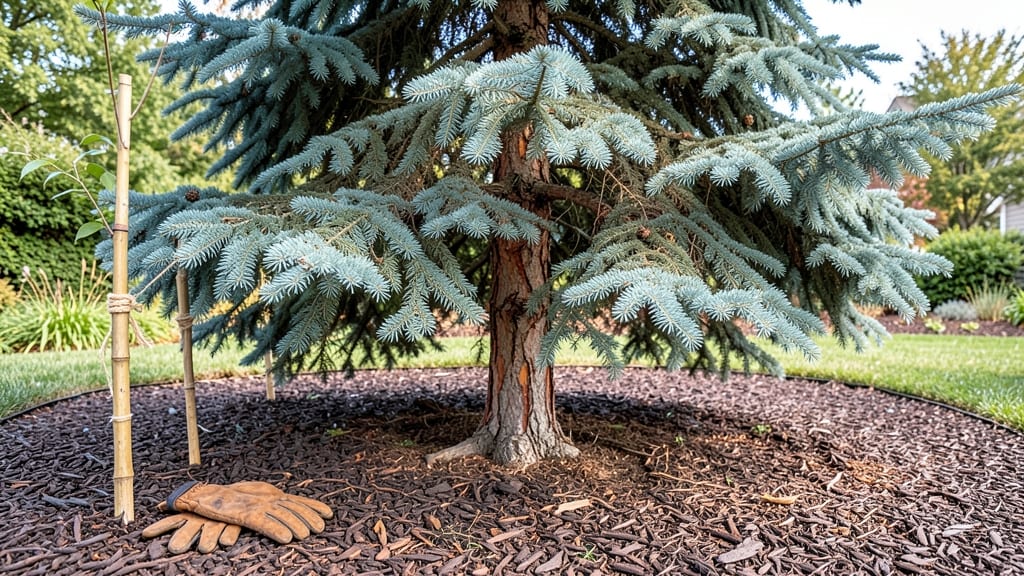
A cedar tree privacy fence transforms your yard into a secluded retreat without fences or noise. 🌲 I planted mine last spring, and within two years, the dense evergreen wall blocked out neighbors' views while keeping maintenance to a minimum—just a few prunes and waterings each season.
The key is spacing: plant cedars 18-24 inches apart for a tight screen by year three. They thrive in full sun to partial shade and tolerate most soils, though well-drained ground prevents root rot.
Choose Western red cedar for the fastest growth (1-2 feet per year) or Thuja for a more compact look. By year five, you'll have a 10-foot-tall living wall that stays lush all winter.
The scent of crushed foliage adds to the charm, and birds nest in the branches—turning your fence into a wildlife habitat. Just avoid planting too close to foundations, as roots can expand over time. Works for urban backyards, suburban lots, or rural properties.
Here’s how to make it happen—no chain link required!
📚 In This Guide
- What you need
- Instructions
- Tips and common mistakes
- Wrapping up and next steps
What you need
- ● Cedar trees: 10–20 trees (depending on desired height and spacing—aim for 3–5 feet apart for a dense screen). Use Thuja occidentalis (American cedar) or Thuja plicata (Western red cedar) for best results.
- ● Post-hole digger or auger: 1 (for digging holes 12–18 inches deep).
- ● T-posts or wooden fence posts: 10–20 (4x4 or 6x6 inches, pressure-treated).
- ● Concrete mix: 5–10 bags (60 lb bags for setting posts securely).
- ● Baling wire or landscape staples: 1 roll (for securing trees to posts).
- ● Garden gloves & safety goggles: 1 pair each (protection is key!).
- ● Shovel & wheelbarrow: 1 each (for moving soil and mixing concrete).
- ● Measuring tape & string line: 1 each (for marking layout).
- ● Water & hose: 1 (for hydrating trees post-planting).
- ● Erosion control fabric: 1 roll (to prevent soil loss around posts).
- ● Mulch (pine straw or wood chips): 2–3 bags (to retain moisture and suppress weeds).
- ● Fertilizer (balanced or cedar-specific): 1–2 bags (for a nutrient boost).
- ● Drip irrigation kit: 1 (to keep young trees hydrated efficiently).
- ● Stakes & twine: 10–20 stakes (for temporary support during planting).
Step-by-Step guide to planting a cedar tree privacy fence
Here's how to create a lush, evergreen screen that grows thicker and more beautiful each year.
🌱 Step 1: Choose the Right Cedar Variety and Planting Location
For a privacy fence, I recommend Thuja occidentalis 'Smaragd' (Emerald Green Cedar) or Thuja plicata (Western Red Cedar) because they grow dense, uniform foliage. These varieties stay green year-round and tolerate a range of soil types. Avoid planting in low-lying areas where cold air collects—cedars need good airflow to prevent fungal diseases.
Measure your space and calculate spacing: 4-6 feet apart for a thick, impenetrable screen within 5-10 years. Mark planting spots with stakes and string for a straight, professional look. I always plant in early spring or fall when temperatures are mild—cedars hate extreme heat or cold during transplanting.
🪴 Step 2: Prepare the Planting Site and Dig Holes
Cedars prefer well-draining soil, so amend heavy clay with 2-3 inches of compost mixed into the top 12 inches of soil. Avoid fresh mulch directly around the roots—it can smother them. Dig holes twice as wide as the root ball and 1 inch deeper than the container size to encourage root spread.
Loosen the roots of container-grown cedars before planting—gently tease them apart with your fingers. Place the tree in the hole so the top of the root ball sits 1 inch above ground level. This prevents root rot from sitting water. Backfill with native soil, tamping lightly every 3 inches to eliminate air pockets.
☀️ Step 3: Water Thoroughly and Mulch Properly
Water deeply right after planting—10-15 gallons per tree—to settle the soil and eliminate air gaps. You’ll see water pooling at the surface until it drains down. For the first 3 weeks, water 2-3 times per week to keep the root zone moist but not soggy. Overwatering now will suffocate new roots.
Apply 2-3 inches of mulch (wood chips or shredded bark) in a 3-foot diameter ring around each tree. Keep mulch 6 inches away from the trunk to prevent rot. Mulch conserves moisture and regulates soil temperature, which cedars appreciate in both summer heat and winter cold.
✂️ Step 4: Prune for Shape and Maintain Yearly Growth
Skip pruning the first year—let the tree establish its root system. In year two, trim back any dead or crossing branches with clean, sharp pruners. Shape lightly in early spring before new growth begins. I avoid heavy pruning—cedars grow best when left natural, filling in densely over time.
Fertilize lightly in early spring with a balanced 10-10-10 fertilizer (1/2 cup per tree). Too much nitrogen causes weak, leggy growth. Watch for bagworms or spider mites—spray with horticultural oil if you spot webbing or yellowing leaves. A healthy cedar privacy screen requires minimal upkeep once established.
⏰ Step 5: Monitor and Adjust for Long-Term Success
Check soil moisture monthly after the first year—cedars in full sun need 1 inch of water per week, while those in shade tolerate drier conditions. Brown needles in summer usually mean underwatering, while yellowing indicates overwatering or poor drainage. Adjust your watering schedule accordingly.
After 3-5 years, your cedar screen should reach 10-15 feet tall with a dense, impenetrable appearance. If gaps appear, thin out the smallest trees to give others room to fill in. With proper care, your fence will thrive for decades, offering privacy, shade, and curb appeal year-round.
Tips & tricks for perfect cedar tree privacy fence
Here's what nobody tells you about creating a lush, long-lasting cedar screen that actually thrives.
Variety Matters: While both Thuja occidentalis 'Smaragd' and Thuja plicata are excellent choices, I've found that 'Smaragd' grows slightly faster and maintains its vibrant green color better in urban environments. If you're planting along a windy property, opt for Thuja plicata—its natural wind resistance makes it ideal for coastal areas. The 4-6 foot spacing in Step 1 is crucial; any closer and you'll struggle with crowding as they mature.
Soil Prep Secret: The 2-3 inches of compost in Step 2 should be mixed into the top 12 inches of soil, not just spread on top. I like to use a garden fork to create air pockets while mixing—this improves drainage while still providing nutrients. For heavy clay soils, consider adding a handful of perlite to each hole to prevent waterlogging, which cedars absolutely hate. The 1-inch deeper hole creates space for roots to spread horizontally, giving your fence a stronger foundation.
Watering Wisdom: That initial 10-15 gallons per tree in Step 3 isn't just about settling the soil—it's about creating a moisture reservoir that helps roots establish. I've seen many gardeners overwater in the first 3 weeks, thinking more is better. Instead, water deeply but less frequently to encourage deep root growth. A soil moisture meter is worth the investment here—cedars prefer consistently moist but never soggy conditions.
Long-Term Care: The 3-5 year timeline in Step 5 is a guideline, not a guarantee. I've seen some screens reach full density in 4 years with optimal care, while others take 7 years in less ideal conditions. The key is the monthly soil moisture check—this simple habit prevents both underwatering (which causes brown needles) and overwatering (which leads to yellowing and root rot). If you notice gaps after 3-5 years, don't panic—thinning out the smallest trees actually helps the remaining ones fill in more densely.
Pro Tips for Cedar Tree Privacy Fence
- Here's what nobody tells you about creating a lush, long-lasting cedar screen that actually thrives.
- Variety Matters: While both Thuja occidentalis 'Smaragd' and Thuja plicata are excellent choices, I've found that 'Sm...
- Soil Prep Secret: The 2-3 inches of compost in Step 2 should be mixed into the top 12 inches of soil, not just spread...
Frequently asked questions
Got questions about installing and maintaining a cedar tree privacy fence? You’re not alone! Here are some of the most common concerns—and their answers—to help you plan with confidence.
How long does it take for a cedar tree privacy fence to fully grow?
A cedar hedge typically reaches full privacy (6–8 feet tall) in 5–10 years, depending on climate and care. For faster results, opt for pre-grown Thuja occidentalis (American arborvitae) plants or closer spacing (3–4 feet apart). Patience pays off—once established, cedars thrive with minimal effort!
Are cedar trees more expensive than other privacy fence options?
Upfront costs vary: Cedar trees average $2–$5 per plant (depending on size), while vinyl fences run $10–$30 per linear foot and chain-link requires $15–$50 per foot. However, cedars save long-term on maintenance (no painting/staining) and boost property value. Pro tip: Buy in bulk or during sales for better deals!
Can cedar trees survive in full shade?
While cedars prefer full sun (6+ hours/day), they tolerate partial shade (4–6 hours). In deep shade (<4 hours), growth slows, and branches may thin out. For shady spots, choose Thuja plicata (Western red cedar)—hardier but slower-growing—or supplement with artificial lighting to encourage denser foliage.
Do cedar trees attract pests or diseases?
Cedars are generally low-maintenance, but watch for bagworms (silk sacs on branches) or cedar rust fungus (orange spots). Treat pests with horticultural oil; prune affected areas promptly. Prevention tip: Space plants for airflow and mulch to deter soil-borne issues. Healthy cedars rarely need chemicals!
How do I troubleshoot a cedar hedge that’s browning or dying?
Browning can signal overwatering (root rot), underwatering (drought stress), or sunburn (sudden exposure). Check soil moisture (1 inch/week in dry climates) and mulch to retain humidity. For sunburn, gradually acclimate young plants to sunlight. If branches die back, prune to healthy wood—cedars regenerate surprisingly well!
What’s a faster alternative to a cedar tree privacy fence?
For instant privacy, consider:
- Bamboo screens (grows 3–5 feet/year; rent or buy pre-built panels).
- Trellises with vines (e.g., climbing roses or wisteria—fast but seasonal).
- Privacy lattice (vinyl or wood; no growth time but requires upkeep).
- Evergreen shrubs like Leyland cypress (faster than cedar but needs pruning).
Wrapping up and next steps
A cedar tree privacy fence isn’t just a seasonal solution—it’s a year-round investment in beauty, security, and curb appeal. With its natural resistance, low maintenance, and timeless charm, this evergreen screen transforms any outdoor space into a serene retreat.
Whether you’re shielding your yard from noise, prying eyes, or harsh winds, cedar delivers durability and elegance without the fuss.
Ready to take the next step? Start by sketching your design, gathering supplies, and planting with confidence. Your future self—and your neighbors—will thank you! 🌲✨