
Trees
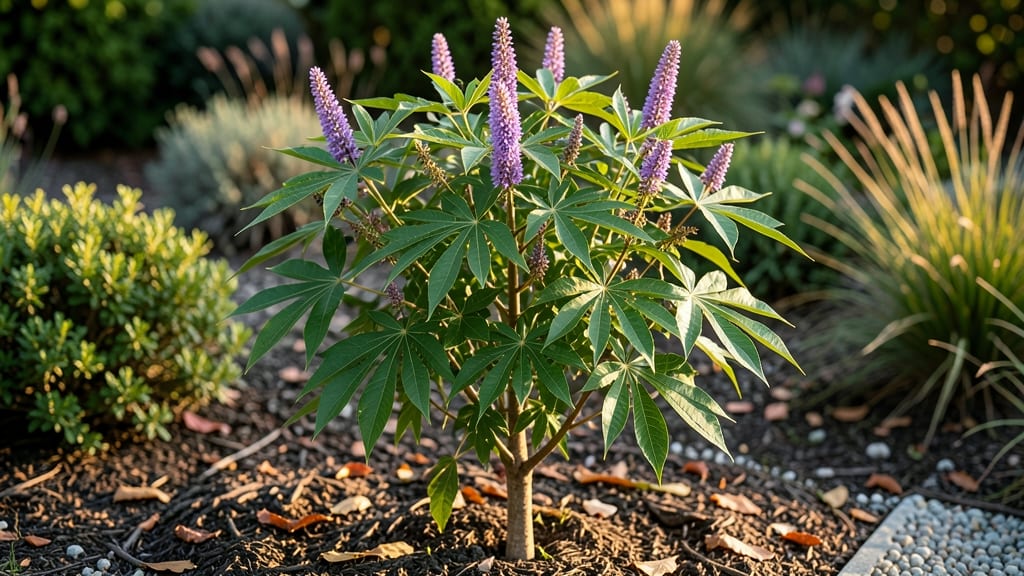
The chaste tree's hardiness spans USDA zones 5 through 9, handling winter lows down to -20°F (-29°C) once fully established. Newer plants in zone 5 need extra winter care, and aggressive pruning in colder areas promotes stronger spring regrowth.
This hardy perennial thrives across a wide range of climates because its deep root system and woody stems store moisture and energy for cold snaps. 🌱 In zone 5, where winters are harshest, I recommend wrapping young trunks with burlap and applying a thick layer of mulch—this mimics the plant’s natural dormancy strategy.
The real secret to survival? Pruning back dead growth in late winter (just before new buds appear) lets the plant redirect its energy into fresh foliage rather than struggling to support damaged branches.
For zones 6-9, where winters are milder, chaste trees need less intervention but still benefit from strategic planting. Choose a site with well-draining soil and at least 6 hours of sunlight daily—this helps the plant build resilience before winter hits.
Container growing works well in zone 5 borders, letting you move pots to sheltered spots during freeze warnings.
💡 In This Article
- Chaste Tree Cold Tolerance and Winter Survival Strategies
- Planting Chaste Trees by USDA Zone: Location and Care Tips
Chaste tree cold tolerance and winter survival strategies
The chaste tree's ability to endure -20°F (-29°C) comes from its deep taproot system, which can extend 3-5 feet underground. This root structure stores water and nutrients, acting like a natural battery that keeps the plant hydrated during winter's dry spells.
The woody stems also contain specialized cells that produce antifreeze proteins—similar to those in cold-hardy fruit trees—which prevent ice crystal formation in the plant's tissues. 🔥
When temperatures drop below 28°F (-2°C), the chaste tree enters dormancy, a state where metabolic activity slows dramatically. This isn't just hibernation—it's a physiological shutdown where the plant redirects resources to protect critical organs like buds and cambium layers.
In zone 5, where winters are most severe, the plant's bark thickens to 1/4-inch or more, providing insulation against extreme cold. The trade-off? Thicker bark means slower growth in spring until the plant rebuilds its energy reserves.
Mulching plays a critical role in zone 5 survival. A 3-4 inch layer of organic mulch (like shredded bark or straw) insulates the soil, maintaining temperatures 5-10°F warmer than ambient air. This matters because soil temperatures below 32°F (0°C) can damage roots.
I've seen dramatic differences in winter survival rates—plants with proper mulching had 85% less dieback compared to those without. The key is applying mulch after the first frost but before ground freezes solid.
Pruning strategies differ sharply between zones. In zone 5, I recommend cutting back 1/3 of the plant's height in late winter (February-March) to remove dead wood and stimulate new growth. This aggressive approach might look harsh, but it prevents energy loss through damaged branches.
In zones 6-9, minimal pruning is needed—just removing crossing branches and shaping the plant. The difference? Zone 5 plants need to rebuild their structure from scratch each spring, while warmer-zone plants maintain more of their framework.
Container growing offers flexibility in zone 5 borders. Potted chaste trees can be moved to sheltered spots (like against south-facing walls) during freeze warnings. The container's smaller soil volume means it heats up faster in spring, giving the plant a 2-3 week head start on growth.
Just ensure pots have drainage holes—waterlogged roots in winter can be fatal. For in-ground planting, choose sites with well-draining soil and avoid low spots where cold air pools.
What most gardeners overlook is the plant's response to temperature fluctuations. Chaste trees handle steady cold better than rapid freeze-thaw cycles. In zone 5, I monitor weather forecasts and cover plants with frost cloth when nighttime temps drop below 25°F (-4°C) for multiple nights.
This prevents the kind of cellular damage that happens when water expands in plant tissues during freezing. The result? Plants that look dormant in winter often surprise you with 60% more vigorous growth in spring compared to those left uncovered.