
Blooming
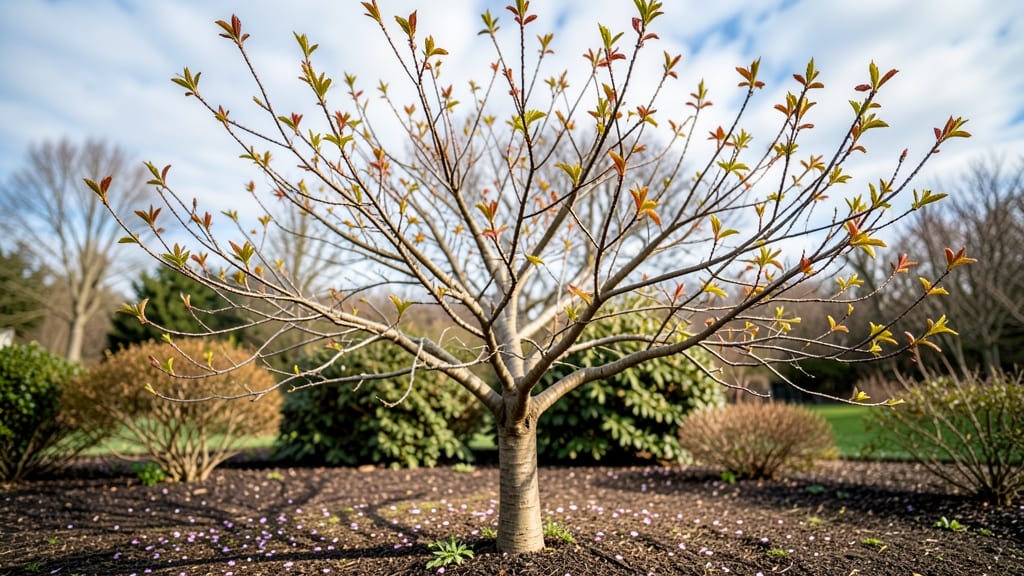
After the cherry blossom tree sheds its breathtaking pink blooms and off, the real work begins—but don’t panic. ✨ The secret to next year’s showstopper flowers lies in the months after petals fall, not just during spring’s flurry.
I’ve learned that proper summer pruning and care transform a post-bloom tree from a bare branch to a sturdy, flowering powerhouse by winter.
The first step is pruning right after flowers fade but before new growth hardens—this encourages strong branches that’ll support heavier blooms next spring. Thin out crowded areas to improve airflow, which cuts down on fungal risks.
Feed the tree with a balanced fertilizer in early summer to replenish nutrients lost during flowering, and water deeply once a week unless rain does the job.
By fall, your tree should look like a well-behaved teenager instead of a neglected adult: branches evenly spaced, no dead wood, and a sturdy structure. The payoff? Next spring’s blooms will be even more dramatic, with fewer bare spots and longer-lasting flowers.
Think of it as giving your tree a spa day after its big debut.
Winter’s the quiet season, but don’t skip mulching—it protects roots from freeze-thaw cycles. And here’s the kicker: the best pruning happens in late winter, just before buds swell.
That’s when you shape the tree for maximum bloom potential. Patience now means a spectacle next year that’ll make your neighbors green with envy.
📚 In This Guide
- What you need
- Instructions
- Tips and common mistakes
- Wrapping up and next steps
What you need
- ● Pruning shears: Bypass shears (sharp, clean blades) for clean cuts on small branches.
- ● Loppers: 1 pair (8–12 inches) for thicker branches (½–1.5 inches in diameter).
- ● Pruning saw: 1 (for branches >1.5 inches thick).
- ● Gloves: Heavy-duty, cut-resistant gloves (2 pairs) to protect hands.
- ● Disinfectant: 70% isopropyl alcohol or diluted bleach (1 part bleach to 9 parts water) to sterilize tools.
- ○ Pruning sealant: Optional (e.g., tree wound paint) for large cuts (1 small bottle).
- ● Ladder or step stool: Sturdy, tall enough to reach the tree’s canopy safely.
- ● Trash bags: Heavy-duty (2–3) for collecting pruned branches.
- ● Notebook & pen: To jot down pruning notes or mark branches for future attention.
- ● Extension pole: For high branches (12–16 feet) to avoid ladder use.
- ● Hand saw: For precision cuts on stubborn branches.
- ● Tree growth regulator: (e.g., paclobutrazol) if overgrowth is a concern (follow label instructions).
- ● Mulch: Organic mulch (shredded bark or wood chips) to protect roots post-pruning (2–3 inches, 3-foot radius around tree).
- ● Camera or phone: To document progress before/after pruning!
Instructions for pruning your cherry blossom tree after flowering
Here's the method I've used for years to keep my cherry blossom thriving after the petals fall.
✂️ Step 1: Wait Until After Full Bloom
Never prune while flowers are still on the tree—you'll sacrifice next year's blossoms. Wait until all petals have fallen and new leaves begin forming. I check by gently shaking a few branches; if no petals remain, it's safe to begin. This timing ensures you're only removing spent wood while preserving next season's flower buds.
If you're unsure, wait another week. The tree's energy is now shifting from flowering to leaf production, making it the perfect moment to shape the canopy. I always mark the date on my calendar so I don't accidentally prune too early.
✂️ Step 2: Remove Dead, Damaged, or Crossing Branches
Start by inspecting the tree for dead wood—branches that are brittle, cracked, or have no leaves. Use clean, sharp pruners to make 45-degree cuts just outside the branch collar where it meets the trunk. For crossing branches, remove the one growing inward to improve airflow and sunlight penetration.
I look for branches rubbing against others or growing straight upward—these create weak points. Remove any suckers at the base of the trunk immediately. These vigorous shoots drain energy from your main tree structure. Work methodically from the bottom up to avoid missing any hidden deadwood.
✂️ Step 3: Thin the Canopy for Better Airflow
Step back and visualize the tree's shape. Cherry blossoms need good airflow to prevent fungal diseases. Aim to remove 20-30% of the total canopy by selectively thinning branches from the center outward. Focus on branches that are too dense or growing inward toward the trunk.
Make your cuts just above an outward-facing bud. This encourages new growth to fill the space while maintaining an open, airy structure. I like to leave the outer branches longer—they'll carry next year's blossoms. Never remove more than a third of any branch in one cut to avoid stressing the tree.
✂️ Step 4: Shape the Tree for Optimal Growth
Now's the time to refine the tree's natural shape. For standard cherry blossoms, I aim for a slightly rounded canopy with the lowest branches about 4-5 feet from the ground. Use hand pruners for branches under ½ inch thick and loppers for larger branches.
For weeping varieties, preserve their graceful droop by only removing branches that grow upward or interfere with the natural flow. Make all cuts at the branch collar to prevent tearing. After shaping, step back again to check for balance—you want sunlight to reach all parts of the canopy.
💧 Step 5: Clean Up and Fertilize for Recovery
Remove all pruned branches and leaves from the area to prevent disease. Sterilize your pruners with rubbing alcohol between cuts if you find any signs of infection. After pruning, water deeply to help the tree recover, then apply a balanced fertilizer (10-10-10) according to package instructions.
I like to add a 2-inch layer of mulch around the base, keeping it 6 inches away from the trunk. This protects roots and retains moisture. Avoid heavy pruning in late summer—your tree needs time to heal before winter arrives. With proper aftercare, you'll see stronger growth and even more spectacular blossoms next spring.
Tips & tricks for pruning your cherry blossom tree after flowering
These small adjustments will help your cherry blossom thrive for years to come—no green thumb required.
Timing is Everything: I can't stress this enough—wait until all petals have fallen before touching your pruners. I've seen people prune too early and end up with no flowers the following spring. If you're unsure, shake a few branches: if no petals fall, wait another week. The tree's energy is now focused on leaf growth, making it the perfect time to shape without risking next year's blossoms.
The Right Tools Matter: Never use dull pruners—they tear branches instead of making clean cuts. I invest in high-quality bypass pruners for branches under ½ inch and loppers for thicker branches. Sterilize your tools with rubbing alcohol between cuts to prevent spreading disease. You'll notice a difference in how cleanly the cuts heal, which means less stress on the tree and faster recovery.
Visualize First, Cut Later: Before making any cuts in Step 3, step back and look at your tree from all angles. Cherry blossoms need that open, airy structure to prevent fungal diseases. I sketch a rough outline in my mind—imagine sunlight streaming through the center. Focus on removing branches that grow inward or cross others, as these create weak points and block airflow. The goal is to let light reach every part of the canopy.
Aftercare Makes All the Difference: The work doesn't end when you put down your pruners. After shaping, water deeply to help the tree recover, then apply a balanced 10-10-10 fertilizer. I add a 2-inch layer of mulch around the base, keeping it 6 inches away from the trunk—this protects roots and retains moisture. Avoid heavy pruning in late summer; your tree needs time to heal before winter arrives.
Pro Tips for Cherry Blossom Tree After Flowers Fall Off
- These small adjustments will help your cherry blossom thrive for years to come—no green thumb required.
- Timing is Everything: I can't stress this enough—wait until all petals have fallen before touching your pruners.
- The Right Tools Matter: Never use dull pruners—they tear branches instead of making clean cuts.
Frequently asked questions
Got questions about what happens to your cherry blossom tree after those stunning blooms fade? Here are some of the most common concerns—and their answers—to keep your tree thriving year-round!
What should I do with my cherry blossom tree right after the flowers fall?
Once the petals drop, resist the urge to prune! Let the tree focus on setting buds for next year. Instead, remove fallen petals (to prevent disease) and water deeply to support new growth. Light pruning for shape can wait until late fall or early winter.
How long does it take for a cherry blossom tree to recover after flowering?
Recovery varies, but most trees enter a dormant phase for 4–8 weeks post-bloom. During this time, they’re conserving energy for leaves and next year’s flowers. Prune only dead or crossing branches—never more than 25% of the canopy at once—to avoid stress.
Can I still prune my cherry blossom tree after the flowers fall?
Yes, but timing matters! The best time to prune is late fall to early winter (before buds swell) or summer (after leaves fully emerge). Avoid pruning in spring—it removes flower buds and weakens blooms for the next season.
Why are my cherry blossom tree’s leaves turning yellow after the flowers?
Yellowing leaves (chlorosis) often signal nutrient deficiency (like iron or nitrogen) or overwatering. Test soil pH (ideal: 6.0–7.0) and amend with compost. If roots are waterlogged, improve drainage. Mulch lightly to retain moisture without suffocating roots.
Will my cherry blossom tree bloom again if I cut it back hard?
Hard pruning (beyond 30% of the tree) can delay or reduce blooms for 1–2 years while the tree recovers. If you must prune heavily, do it after flowering and focus on structural shaping, not drastic cuts. Younger trees handle pruning better than mature ones.
Wrapping up and next steps
Watching your cherry blossom tree transform after its stunning bloom is all about patience and care—and now, you’re equipped with the know-how to keep it thriving year-round! 🌸 From pruning to pest control, every step ensures your tree stays healthy and beautiful, ready to dazzle again next spring. So roll up your sleeves, grab those pruners, and give your tree the love it deserves!
💡 Next step: Mark your calendar for late winter or early spring—this is the perfect time to start planning your next round of pruning. A little effort now means a show-stopping display of blossoms for seasons to come!