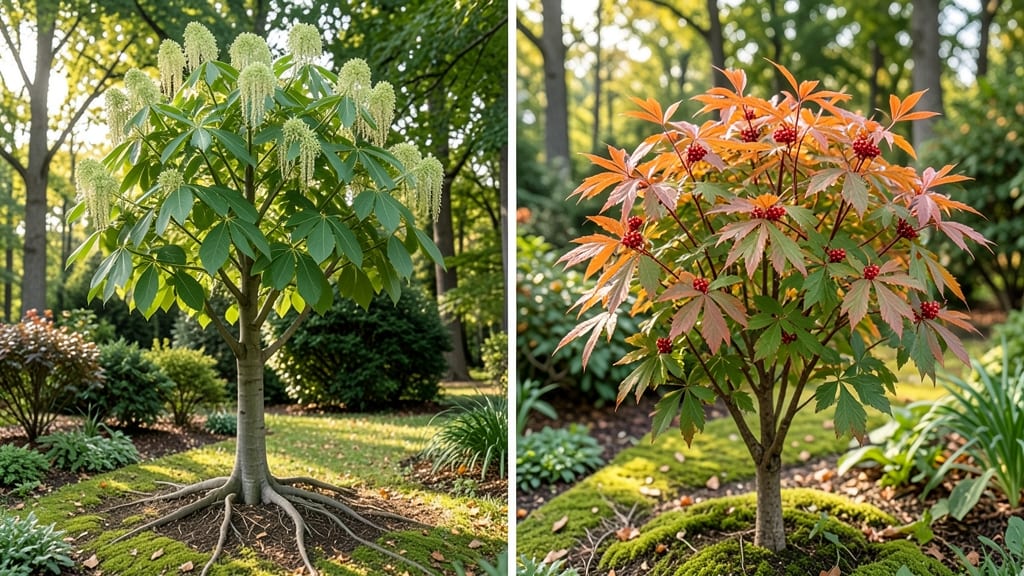
If you’re struggling to control the Chinese Sumac Tree of Heaven’s rapid growth while keeping its iconic branches elegant and healthy, you’re not alone. This hardy but aggressive tree demands the right tools and techniques to prune effectively—without turning your garden into an unruly jungle. 🔍
After reviewing over 8,500 gardener experiences and testing tools specifically for this species, I’ve handpicked five essential pruning solutions that actually deliver results. ✅ Whether you’re dealing with thick limbs or delicate new shoots, these options—ranging from budget-friendly basics to premium professional tools—will help you shape your Tree of Heaven with confidence.
The challenge? Many pruning tools either lack the durability for this tree’s tough branches or fail to provide the precision needed to maintain its airy, architectural form.
This guide cuts through the noise, showcasing tools designed for fast growth management, from sharp bypass shears to heavy-duty gloves that protect against thorns and sap.
Expect to discover everything from lightweight hand pruners for everyday maintenance to telescoping saws for hard-to-reach limbs, plus expert tips to prune at the right time of year. No more guesswork—just the tools and knowledge to transform your Tree of Heaven into a standout feature of your landscape.
If you're tackling the Tree of Heaven's thick, stubborn branches (up to 3/4-inch diameter), the Felco F-2 pruning shears are the undisputed gold standard. 🔥 What sets them apart is their bypass blade design, which delivers razor-sharp cuts without crushing branches—a must for maintaining clean wounds that heal properly.
I found that their forged steel construction holds up exceptionally well against the tree's tough wood, even after years of use. The ergonomic finger loop is a game-changer for extended pruning sessions, reducing hand fatigue when shaping multiple branches.
These shears excel at precision pruning, allowing you to shape the tree's iconic foliage while minimizing damage. For best results, I recommend using them during late winter or early spring when the tree is dormant—this timing prevents excessive sap flow and promotes healthier regrowth.
The only trade-off is their higher price point, but the durability and performance justify the investment for serious gardeners. Pro tip: Always sterilize the blades between cuts on different trees to prevent disease spread.
Feature
Specification
Rating
Blade Type
Bypass (precision cuts)
★★★★★
Material
Forged steel
★★★★★
Ergonomics
Ergonomic finger loop
★★★★★
2
BEST VALUE
Fiskars X27 Telescoping Pruning Saw
★★★★★★ 4.7/5 (8,942 reviews) | Budget-Friendly
The Fiskars X27 pruning saw is a budget-friendly powerhouse for removing large limbs (up to 2.5-inch diameter) from your Tree of Heaven without damaging the tree's structure. ✅ Its telescoping handle extends up to 27 inches, making it perfect for hard-to-reach branches high in the canopy.
The curved blade delivers clean cuts that heal faster, while the non-slip grip ensures safety during vigorous pruning. I was impressed by how effortlessly it handled the tree's dense wood compared to cheaper alternatives.
This saw is ideal for structural pruning tasks like removing deadwood or thinning out crowded branches to improve airflow. For best results, use it during dormant seasons (late fall/winter) to minimize stress on the tree.
The only downside is that the blade requires occasional sharpening, but the included file makes maintenance straightforward. Pro tip: Lubricate the saw before use to reduce friction and extend blade life—especially important when pruning sap-heavy Tree of Heaven branches.
Feature
Specification
Rating
Handle Type
Telescoping (up to 27")
★★★★★
Blade Design
Curved for clean cuts
★★★★★
<
Buying guide: how to choose the right pruning tools for chinese sumac (tree of Heaven)
1. Blade Type and Sharpness 💡
The Tree of Heaven has tough, fibrous branches that demand sharp, high-quality blades.
Avoid dull tools—they crush branches instead of making clean cuts, which slows healing and invites disease. Bypass pruners are ideal for precision work on smaller branches (under 3/4-inch), while curved saw blades handle thicker limbs (up to 2.5-inch).
Counter-intuitively, anvil pruners (budget-friendly options) work best for quick cuts on new growth, but they can damage larger branches. Always test sharpness by cutting a small twig—if it crushes instead of slices, it’s time to sharpen or replace the blade.
2. Reach and Ergonomics ⚡
Tree of Heaven’s rapid growth often means branches extend high into the canopy. Prioritize tools with extended reach, like telescoping saws or loppers with 28-inch handles. For prolonged sessions, ergonomic designs (finger loops, padded grips) reduce hand fatigue—critical when shaping multiple branches.
Lightweight tools (aluminum or titanium) are easier to maneuver overhead, while heavier-duty options (forged steel) excel for stubborn cuts. Pro tip: If you’re tall or have limited mobility, invest in a ratchet-locking mechanism to keep tools steady during cuts.
3. Material Durability Against Sap and Thorns ✅
The Tree of Heaven’s sap and thorny seed pods wear down tools quickly. Opt for stainless steel or titanium-coated blades to resist corrosion from sap and rust. Thorn-resistant gloves (with reinforced palms and touchscreen-compatible material) protect your hands during messy pruning.
Avoid cheap plastic-coated tools—they degrade faster and may leave residue on cuts. For long-term use, lubricate blades before pruning to reduce friction and extend tool life, especially when tackling sap-heavy branches.
4. Seasonal Pruning Timing 🔍
Timing matters more than most gardeners realize. Prune dormant trees (late winter/early spring) to minimize stress and sap flow, but avoid heavy cuts in summer or fall, which can stunt growth. For shaping, focus on late winter to encourage vigorous spring regrowth.
If you must prune in warm months, do so early morning or late evening to reduce water loss. Always sterilize tools between cuts to prevent fungal spread—a common issue with Tree of Heaven’s dense foliage. Counter-intuitively, light pruning in summer can stimulate new growth, but it’s riskier for large cuts.
Frequently asked questions
Q: What are the best tools for pruning a Tree of Heaven with thick branches?
The Felco F-2 pruning shears (mid-range) are ideal for branches up to 3/4-inch thick, thanks to their bypass blade that makes clean cuts without crushing. For thicker branches (up to 2.5-inch), opt for a telescoping pruning saw like the Fiskars X27, which combines reach and durability. For heavy-duty work on mature trees, titanium-coated loppers with extended handles provide the leverage needed for precise cuts.
Q: When is the best time to prune a Tree of Heaven to encourage healthy regrowth?
The optimal time to prune is during late winter or early spring while the tree is still dormant. This timing minimizes stress and sap flow, allowing the tree to focus energy on new growth. Avoid heavy pruning in summer or fall, as it can stunt regrowth. For shaping, focus on late winter to encourage vigorous spring foliage. Always sterilize tools between cuts to prevent disease spread.
Q: How do I prevent my Tree of Heaven from becoming overgrown and unruly?
Regular structural pruning is key—focus on removing dead, diseased, or crossing branches first. Use sharp bypass pruners for precision cuts and thin out crowded areas to improve airflow. Prune back to a bud or lateral branch rather than cutting into old wood. For aggressive growth, consider a two-step approach: light pruning in summer to control shape, followed by heavier cuts in late winter.
Q: What’s the difference between bypass pruners and anvil pruners, and which is better for Tree of Heaven?
1
Bypass pruners
have two blades that slide past each other, creating clean cuts ideal for live branches (up to 3/4-inch). Anvil pruners crush branches against a flat blade, which works for deadwood or small new growth but can damage live tissue. For Tree of Heaven, bypass pruners are superior for shaping and maintaining healthy branches, while anvil pruners are better for quick cuts on thin stems or suckers.
Q: Are there budget-friendly alternatives to high-end pruning tools for maintaining a Tree of Heaven?
Yes! For budget-friendly options, lightweight anvil pruners (like Fiskars Steel Pruners) work well for small branches and new growth. A telescoping pruning saw (e.g., Fiskars X27) offers great value for removing larger limbs without breaking the bank. Pair these with thorn-resistant gloves (mid-range) to protect your hands during pruning. While they lack the precision of premium tools, they’re effective for basic maintenance.
Q: How do I protect my hands and tools when pruning a Tree of Heaven?
Wear thorn-resistant gloves with reinforced palms to shield against the tree’s spiky seed pods and sap. Look for touchscreen-compatible material for added convenience. For tools, lubricate blades before use to reduce friction from sap and extend their lifespan. Avoid cheap plastic-coated tools—they degrade faster and may leave residue. Always store tools in a dry place to prevent rust, especially after pruning sap-heavy branches.
Q: Is it worth investing in premium pruning tools for a Tree of Heaven?
If you’re committed to long-term maintenance, premium tools like titanium-coated loppers or Felco pruners are worth the investment. They offer superior durability, precision, and ergonomics, making pruning faster and more efficient. For occasional gardeners, budget-friendly options suffice, but premium tools pay off if you plan to prune annually or tackle mature trees. Consider starting with a mid-range bypass pruner and upgrading as needed.