
Pruning
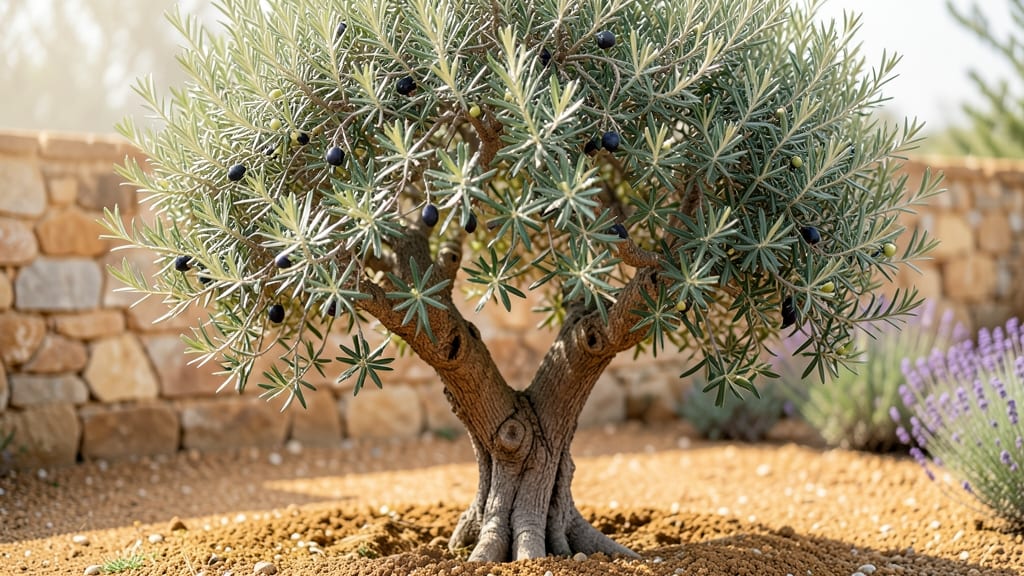
Swan Hill’s blazing summers demand olive trees that thrive—not just survive—and pruning is the secret weapon. 🌿 I’ve spent years shaping my own olive trees here, and the right cuts transform scraggly growth into a graceful, drought-resistant canopy that produces fruit for decades.
The key is working with the tree’s natural rhythm: light pruning in summer to encourage new growth, then heavier shaping in winter when the tree’s dormant. Most gardeners over-prune in winter, which stresses the tree—especially in our dry climate.
Focus on opening the center for airflow and removing dead wood, and you’ll see silvery-green leaves and silvery fruit within a season. By late spring, your tree will reward you with glossy new leaves and a structure that handles Swan Hill’s heat without wilting.
The branches stay strong, the fruit ripens evenly, and you avoid the common mistake of pruning too late in summer, which invites pests like olive fruit fly. For our sandy, alkaline soils, always amend with compost before planting, and mulch heavily to retain moisture.
Local varieties like ‘Frantoio’ handle our climate best—ask at Swan Hill’s Olive Grove Nursery for the right stock.
📚 In This Guide
- What you need
- Instructions
- Tips and common mistakes
- Wrapping up and next steps
What you need
- ● Pruning shears: Bypass-style (20–24 cm blades) for clean cuts on branches <1.5 cm thick.
- ● Loppers: Bypass or anvil (30–45 cm blades) for branches 1.5–5 cm thick.
- ● Pruning saw: Curved-tooth (for branches >5 cm thick; avoid rusted blades!).
- ● Gloves: Heavy-duty, cut-resistant (e.g., leather or Kevlar) to protect from thorns and sap.
- ● Disinfectant: 70% isopropyl alcohol or bleach solution (1 part bleach : 9 parts water) to sterilize tools between cuts.
- ○ Pruning sealant: Optional but recommended for large cuts (>2.5 cm) to prevent disease (e.g., Tree Wound Pruning Seal).
- ● Ladder: Sturdy, extendable (6+ ft) with a non-slip base for taller trees.
- ● Heavy-duty trash bags: For collecting pruned branches (10–20 gallon size).
- ● Safety gear: Safety glasses
- ● Long sleeves/pants (to avoid sap burns)
- ● Closed-toe shoes or boots
- ● Extension pole pruners: For high branches without a ladder (2–3 m reach).
- ● Sharpener: Stone or foldable file to keep blades razor-sharp mid-session.
- ● Hose or spray bottle: To rinse tools and clean sap off cuts.
- ● Notebook/pencil: To sketch your pruning plan or track progress.
- ● Mulch: Organic (wood chips) or inorganic (gravel) to replenish after pruning.
Step-by-Step instructions for pruning olive tree Swan Hill
Here's how I shape my Swan Hill olives year-round for that elegant, balanced look—no guesswork, just precise cuts.
✂️ Step 1: Assess the Tree's Natural Shape and Growth Patterns
Start by standing back and studying your olive tree. Swan Hill varieties grow with a natural, rounded canopy, but they need guidance to maintain that graceful silhouette. Look for the strongest central leader—the main upward-growing branch—and identify any branches that cross or rub against each other. These are your first targets for removal.
Run your hand along the trunk and branches to feel where growth is concentrated. You'll notice some branches grow outward aggressively while others lag behind. The goal is to encourage a balanced spread, so prioritize thinning out the dense areas. Use a small notebook to sketch a rough outline of the tree's structure—this helps visualize where cuts will create the most harmony.
✂️ Step 2: Prune for Airflow and Light Penetration in Late Winter
Late winter, just before new growth begins, is the best time to tackle major structural pruning. This is when the tree is dormant, and you can see its framework clearly. Begin by removing any dead, diseased, or damaged branches first—these are easy to spot as they'll be brown, brittle, or lacking leaves. Cut these back to the trunk or a healthy lateral branch.
Next, focus on thinning the canopy by selecting branches to remove entirely. Aim to create an open center that allows light and air to circulate. I like to remove about 20-30% of the total foliage in this first prune. Make your cuts just outside the branch collar—the swollen area where the branch meets the trunk—to promote fast healing. Use sharp, clean pruners to avoid tearing the bark.
☀️ Step 3: Shape and Refine Growth During Spring and Summer
Once the tree starts actively growing in spring, shift your focus to shaping and refining. This is where you'll see the Swan Hill's natural elegance emerge. Look for branches that are growing too vigorously in one direction—these often create an unbalanced look. To redirect growth, cut back the tip of the branch by about one-third. This encourages the tree to bush out rather than grow taller.
Pay special attention to the tree's lower branches. If they're getting too long or leggy, prune them back to encourage new growth closer to the trunk. You'll also want to remove any suckers—those small, aggressive shoots that grow from the base or trunk. These compete with the main structure for nutrients and should be cut off at the base. Water the tree deeply after pruning to help it recover.
✂️ Step 4: Light Maintenance Pruning in Fall and Early Winter
As the growing season winds down, switch to lighter maintenance cuts. In fall, remove any branches that have produced fruit—this helps the tree redirect energy to next year's growth. Also, trim back any new growth that looks weak or spindly. These branches are less likely to survive the winter and can disrupt the tree's shape.
In early winter, do a final walk-around to clean up any loose or crossing branches. This keeps the tree tidy and reduces the risk of disease or pest issues over the dormant season. Avoid heavy pruning now, as the tree needs time to harden off before the cold sets in. A light touch now ensures your Swan Hill olive looks its best when spring arrives.
⏰ Step 5: Monitor and Adjust Throughout the Year
Pruning isn't a one-time task—it's an ongoing conversation with your tree. Check your Swan Hill olive every few weeks to see how it's responding to your cuts. You'll notice new branches filling in gaps or some areas growing faster than others. Adjust your approach as needed, but always remember the goal: a balanced, open canopy that lets light and air move freely.
Here's the thing—olive trees, especially Swan Hill varieties, respond well to gradual changes. If you see a branch growing in an awkward direction, don't hesitate to trim it back early. The key is consistency. Over time, your tree will develop that classic, graceful shape you're after. And trust me, the first time you see it fully leafed out with that perfect balance, it's incredibly satisfying.
Tips & tricks for perfect olive tree Swan Hill pruning
Here's what nobody tells you about transforming your Swan Hill olive into a showstopper—these are the details that separate good pruning from great.
Branch Selection Strategy: In Step 1, when assessing your tree's shape, focus on the "three-cut rule" for removal candidates: branches that cross others, grow inward, or are weaker than their neighbors. These are the ones that will compete for sunlight and nutrients. I always look for branches that are thinner than a pencil—these are prime candidates for removal to open up the canopy. The goal is to create a dome shape where light can reach all parts of the tree.
Pruning Season Insight: Late winter pruning in Step 2 isn't just about timing—it's about the tree's energy state. When you remove 20-30% of foliage, you're essentially giving the tree a fresh start. The key is to make your cuts just outside the branch collar (that swollen area where the branch meets the trunk) to prevent disease entry points. I've seen pruners tear bark trying to make perfect cuts—resist the urge to force it. A clean, angled cut is better than a torn one.
Spring Growth Redirection: During Step 3's spring shaping, that one-third cut on vigorous branches works because it triggers the tree's natural response to produce multiple smaller branches from the cut point. Think of it like a fountain—when you cut the main jet, it sprays out in all directions. This bush-out effect creates that lush, full look Swan Hill olives are known for. Just remember to water deeply after pruning to help the tree recover from the stress of cutting.
Tool Maintenance: Your pruners are your most important tool, and they need regular care. After each pruning session, wipe them clean with rubbing alcohol and oil the pivot point to keep them sharp. Dull blades tear bark and create larger wounds that take longer to heal. I keep a small tool kit with me when working on my trees—it's amazing how often I find myself making adjustments throughout the year. A well-maintained tool makes all the difference in clean, precise cuts.
Pro Tips for Olive Tree Swan Hill
- Here's what nobody tells you about transforming your Swan Hill olive into a showstopper—these are the details that separate good pruning from great.
- Branch Selection Strategy: In Step 1, when assessing your tree's shape, focus on the "three-cut rule" for removal candidates: branches that cross others, grow inward, or are weaker than their neighbors.
- Pruning Season Insight: Late winter pruning in Step 2 isn't just about timing—it's about the tree's energy state.
Frequently asked questions
Got questions about pruning your Olive Tree in Swan Hill? You’re not alone! Here are some of the most common queries—plus quick, practical answers to keep your tree thriving year-round.
When is the best time to prune my Olive Tree in Swan Hill’s climate?
The ideal window is late winter to early spring (August–September), just before new growth begins. Swan Hill’s hot summers mean pruning then can stress the tree, while winter’s cooler temps encourage faster healing. Pro tip: Avoid heavy pruning in autumn—it can stimulate tender shoots vulnerable to frost.
How much can I trim back without harming the tree?
For mature Olive Trees, never remove more than 25–30% of the foliage in one session. Swan Hill’s dry climate demands caution—over-pruning stresses roots and reduces fruit production. Focus on shaping, deadwood removal, and thinning crowded branches to maintain airflow. Warning: Severe cuts can invite pests like olive fruit fly.
What should I avoid when pruning my Olive Tree?
- Topping or shearing: Olive Trees hate this—it creates weak, ugly regrowth and invites disease.
- Pruning during fruit-bearing season (Dec–Feb): You’ll sacrifice olives for the year!
- Using dull tools: Ragged cuts slow healing and attract pests.
- Ignoring watering post-prune: Deep water 2–3 times weekly for 4–6 weeks to support recovery.
How do I know if my Olive Tree is recovering well after pruning?
Watch for new green shoots within 6–8 weeks—this signals success! Healthy recovery also includes no wilting, yellowing leaves, or oozing sap. In Swan Hill’s heat, monitor closely for signs of stress like leaf scorch (brown edges)—adjust watering if needed. Pro tip: A light layer of mulch retains moisture and protects roots.
What’s a good alternative if I’m too busy to prune myself?
Consider hiring a local Swan Hill arborist specializing in Mediterranean trees—they’ll ensure proper technique and timing. Alternatively, join a community garden group; many swap pruning services for olives or advice. Budget tip: DIY tools (like a felco pruner) cut costs while maintaining quality.
Wrapping up and next steps
Pruning your Olive Tree Swan Hill isn’t just about keeping it tidy—it’s an art that unlocks its full potential for vibrant growth, lush foliage, and a stunning silhouette. 🌿 Whether you’re trimming for shape, health, or harvest, the key is consistency and patience.
With the right tools, timing, and techniques, your tree will thrive year-round, rewarding you with graceful branches and bountiful olives.
Ready to elevate your pruning game? Start by scheduling a quick refresh of your tools and planning your next trim session. Your Olive Tree Swan Hill will thank you—and so will your garden! 🌟