
Pruning
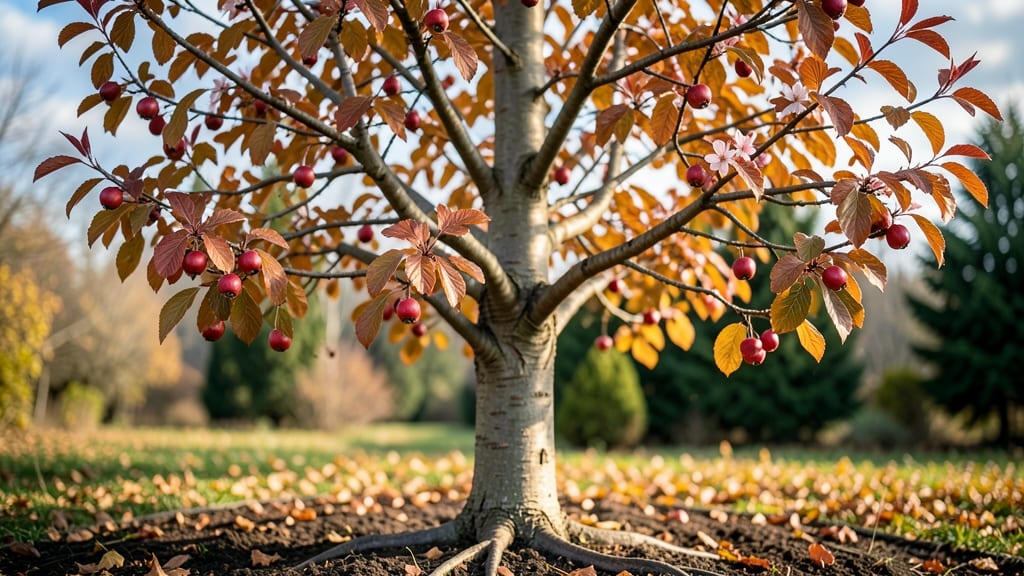
Fall pruning your crabapple tree sets the stage for next spring's showstopping blooms. ✨ I learned the hard way that waiting until winter means cutting off next year's flowers—so now I make these precise cuts in late fall while the tree's still dormant but before the ground freezes.
The key is timing and technique: prune after leaf drop but before hard frost, and always cut at a 45-degree angle just above an outward-facing bud. This encourages strong growth in the right direction while removing dead or crossing branches that crowd the center.
You'll see fewer broken limbs in spring storms and healthier blooms that last longer. The tree's energy focuses on developing sturdy branches instead of fighting weak growth, and you avoid the messy winter pruning that can spread disease.
Works for all crabapple varieties, whether you've got a mature specimen or a young tree. Just grab your pruners and a sharp saw—this 30-minute task makes all the difference for next year's blossoms.
📚 In This Guide
- What you need
- Instructions
- Tips and common mistakes
- Wrapping up and next steps
What you need
- ● Pruning shears: Bypass pruners (for cuts up to ½ inch thick) – 1 pair (look for ergonomic, sharp blades).
- ● Loppers: Bypass or anvil type (for cuts up to 2 inches thick) – 1 pair (prioritize long handles for leverage).
- ● Pruning saw: Curved-tooth saw (for branches 2+ inches thick) – 1 medium-sized saw (avoid rust; carbon steel or high-carbon blades preferred).
- ○ Extension pole: 6–10 ft. pole saw (for high branches) – 1 optional but highly recommended (adjustable head for versatility).
- ● Work gloves: Heavy-duty, cut-resistant gloves – 1 pair (nitrile-coated for grip and protection).
- ● Safety gear: Safety glasses (ANSI-rated) – 1 pair.
- ● Ear protection (if using a chainsaw) – 1 pair.
- ● Long sleeves/pants (to protect from thorns and branches).
- ● Cleaning supplies: Rubbing alcohol (70% or higher) – small bottle (for sterilizing tools).
- ● Paper towels or shop rags – 5–10 sheets.
- ● Ladder: Sturdy, extendable ladder (8–12 ft.) – 1 (ensure it’s rated for your weight + tools).
- ○ Tree wound dressing: Pruning sealant (controversial but useful for large cuts) – small tube (optional; many experts skip this).
- ● Disposable bags: Heavy-duty contractor bags (for debris) – 2–3 bags.
- ● Marking twine/flags: For tagging branches to remove – small roll + flags.
- ● First-aid kit: Basic kit with bandages and antiseptic – 1 small kit (thorns happen!).
- ● Weather check: Prune on a dry, calm day (avoid rain or high winds).
- ● Tree health assessment: Inspect the tree for disease, pests, or dead branches before cutting.
- ● Clear workspace: Remove lawn furniture, hoses, or obstacles within a 10-foot radius of the tree.
- ● Sharp tools: Always sharpen blades before starting (dull tools tear wood, inviting disease).
Step-by-Step guide to fall pruning for crabapple trees
Here's how to refresh your tree for stunning spring blooms—without cutting too late.
✂️ Step 1: Remove Dead, Diseased, or Damaged Branches
Start by scanning the tree for branches that are dead (no leaves, brown bark), diseased (mushrooms at base, oozing sap), or damaged (cracks, splits, storm breaks). These are your first cuts—they won't grow back and could spread problems. Use sharp pruning shears to make clean cuts just outside the branch collar (the swollen area where the branch meets the trunk).
I always work from the bottom up, removing the lowest problematic branches first. This keeps me from getting tangled in the canopy. If a branch is larger than 2 inches in diameter, use a pruning saw with a smooth blade to avoid tearing the bark. You'll see fresh, green tissue inside healthy wood—anything brown or hollow is dead and must go.
✂️ Step 2: Thin the Canopy for Better Airflow
Next, focus on thinning the canopy by removing branches that cross or rub against each other. These create wounds that invite disease and weak spots. Look for branches growing inward toward the center of the tree—these block sunlight and reduce flowering. Aim to remove no more than 25% of the tree's foliage in one season to avoid stressing it.
I target branches that are about ⅓ the diameter of the trunk for removal. These are thick enough to matter but thin enough to cut safely. Make your cuts at the branch collar, and always cut on the outside of the branch to prevent water from pooling where it could rot. You'll notice the tree's shape opening up—this lets light reach all branches, encouraging more blooms next spring.
✂️ Step 3: Prune for Shape and Structure
Now it's time to shape the tree by removing branches that disrupt its natural form. Look for branches growing straight upward (called "water sprouts") or those that grow at sharp angles (more likely to break). Cut these back to a lateral branch or bud that faces outward. This creates a stronger, more balanced structure that can support heavy spring blooms.
For larger branches, use the "three-cut method" to avoid bark tearing. First, make an undercut about 12-18 inches out from the trunk. Then, cut above the undercut, leaving a small stub. Finally, remove the stub by cutting just outside the branch collar. You'll see a clean, smooth cut that heals faster and looks more natural.
⏰ Step 4: Time Your Final Cuts for Late Fall
Finish pruning in late fall, ideally between mid-November and early December, before the tree enters full dormancy. This timing gives wounds time to callus over before winter's harsh conditions. Avoid pruning after December 1st—new growth in cold weather is vulnerable to frost damage and disease.
After pruning, clean up all fallen branches and debris to reduce pests and diseases that could overwinter in the yard. I also apply a thin layer of wood ash or mulch around the base to protect the trunk from rodents and fluctuating temperatures. Your tree will look refreshed, and you'll set it up for a spectacular spring bloom display.
Tips & tricks for perfect crabapple tree fall pruning
Here's what nobody tells you—these details make all the difference between a healthy tree and one struggling to bloom.
Tool Prep: Sharpen your pruning shears before starting—dull blades crush branches instead of making clean cuts. I test mine by cutting through a piece of newspaper; if it tears instead of cleanly slicing, it needs sharpening. For branches over 2 inches thick, use a bypass pruning saw with a smooth blade to avoid splintering the bark. You'll notice the difference in how cleanly the cuts heal.
Branch Collar Awareness: Never cut flush with the trunk—always leave the branch collar intact. This swollen area contains healing tissues that help wounds close properly. In Step 1, when removing dead branches, look for the collar just outside where the branch meets the trunk. Cutting here prevents decay from creeping into the trunk. I've seen too many trees develop cankers from improper cuts at this critical junction.
Canopy Thinning Strategy: When thinning in Step 2, prioritize removing branches that grow inward or downward. These are the ones blocking light and airflow to inner branches. Aim to create an open vase shape—this lets sunlight reach all parts of the tree. I use a simple trick: stand back and visually trace the tree's silhouette. If you see dense clusters, those are your targets. Remember, you're not just pruning for looks; you're setting up next year's blooms.
Post-Pruning Care: After finishing your cuts, don't just leave debris on the ground. Pile it up away from the tree to prevent pests and diseases from overwintering in the yard. I also recommend applying a 2-inch layer of mulch around the base (but not touching the trunk) to protect against temperature swings. This simple step can make the difference between a tree that thrives and one that struggles through winter.
Pro Tips for Crabapple Tree Fall
- Here's what nobody tells you—these details make all the difference between a healthy tree and one struggling to bloom.
- Tool Prep: Sharpen your pruning shears before starting—dull blades crush branches instead of making clean cuts.
- Branch Collar Awareness: Never cut flush with the trunk—always leave the branch collar intact.
Frequently asked questions
Got questions about crabapple tree fall pruning?
You’re not alone! Here are answers to the most common concerns to help you tackle the task with confidence—so your tree stays healthy and blooms beautifully next spring.
When is the best time to prune a crabapple tree in the fall?
Prune your crabapple tree in late fall (November) after leaves drop but before harsh winter sets in. Avoid pruning too early—disease risks rise when wounds heal slowly in cold weather. Timing is key to balancing health and bloom prep!
Will fall pruning hurt my crabapple tree’s spring blooms?
No—if done right! Light pruning in fall removes dead/diseased wood, improving next year’s blooms. Just avoid heavy cuts (save that for winter dormancy). Focus on shaping and thinning branches to encourage vibrant spring flowers. Think of it as a spa day for your tree!
Can I prune a crabapple tree in winter instead?
Yes! Winter (late December–February) is ideal for major pruning when the tree is dormant. Fall is better for minor adjustments. Winter pruning reduces disease spread (fewer pests) and lets you see the tree’s structure clearly. Just time it for dry, calm days!
How do I know if I’m pruning too much?
Follow the “Rule of Thumb”: Never remove more than 25% of the tree’s canopy in one season. Signs of over-pruning include excessive leaf loss, weak growth, or sparse blooms. If you’re unsure, start small—you can always prune more later!
What should I do if my crabapple tree has pests after pruning?
Fall pruning can attract pests like aphids or borers, but don’t panic! Clean tools with rubbing alcohol, seal larger cuts with pruning sealant, and monitor for infestations. If pests appear, treat with neem oil or insecticidal soap. Prevention is easier than cure!
Wrapping up and next steps
Fall is the perfect time to refresh your crabapple tree with strategic pruning—setting the stage for vibrant spring blooms!
By removing deadwood, thinning dense branches, and shaping your tree now, you’ll promote healthier growth and stunning flowers next season. Don’t wait until spring—a little effort in autumn ensures your tree thrives year-round.
Ready to get started? Grab your tools, review your notes, and schedule a pruning session before the first frost! Your future spring blooms will thank you. 🌸✂️