
Container Gardens
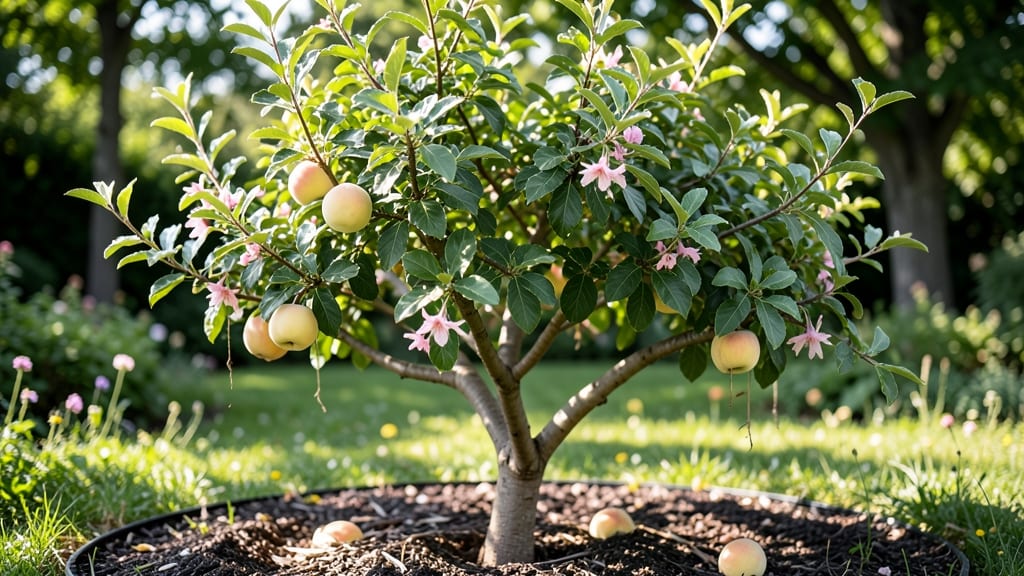
Donut peach trees grow best in USDA zones 5 through 9, where they can handle winter lows down to -20°F (-29°C), but they truly shine in zones 7 to 8 for peak fruit production. Always verify specific cultivar limits since hardiness can vary significantly.
These trees love warm summers and mild winters, which is why zones 7-8 are ideal—they balance enough cold to break dormancy with warm enough growing seasons for sweet, flavorful fruit. 🌿 In colder zones like 5, you'll need to choose cold-hardy varieties and provide extra winter protection, like thick mulching or tree wraps, to prevent frost damage.
The key is matching your local climate to the right cultivar, as some varieties can handle brief dips below -20°F while others struggle even in zone 6.
For container growers, this means selecting dwarf varieties suited to your zone and ensuring they get enough sunlight—at least 6-8 hours daily. Smaller trees adapt better to pots but still need winter protection in zones below 7.
Always check the specific variety's label, as some modern hybrids push the limits of traditional zone boundaries.
💡 In This Article
- USDA Zones for Donut Peach Trees: Climate and Temperature Limits
- Choosing Cold-Hardy Donut Peach Tree Varieties for Zone 5
USDA zones for donut peach trees: climate and temperature limits
Donut peach trees thrive in a 50-90°F (10-32°C) annual temperature range, with their ideal growing season centered in zones 7-8. The magic happens when winter lows hover between 15-25°F (-9 to -4°C)—just cold enough to break dormancy but not so severe it damages the tree.
In zones 7-8, the growing season typically spans 180-240 days, giving fruit enough time to mature fully. 🌡️ This sweet spot explains why these zones produce the juiciest, most flavorful peaches.
The tree's cold hardiness stems from its natural adaptation to Mediterranean climates, where summers are hot and dry while winters are mild. Peaches are deciduous, meaning they lose their leaves in winter to conserve energy, but their roots and trunk must survive freezing temperatures.
The xylem vessels in the wood contain antifreeze proteins that prevent ice crystal formation in cells, allowing the tree to endure brief cold snaps. However, prolonged exposure to -20°F (-29°C) or lower can cause irreversible damage to the cambium layer, which is the tree's growth engine.
Microclimates play a crucial role in extending the range where donut peach trees can grow successfully. In zone 5, for example, trees planted near south-facing walls or in sheltered valleys can experience 5-10°F (3-5°C) warmer temperatures than open fields. This localized warmth helps protect the tree from extreme cold.
Conversely, urban areas in zone 8 might experience heat islands where temperatures exceed 95°F (35°C) for extended periods, stressing the tree. Proper irrigation and afternoon shade can mitigate these heat effects.
For gardeners in zones 9 and above, the challenge shifts from cold to heat tolerance. Donut peach trees struggle in areas where summer temperatures consistently exceed 100°F (38°C), as the high heat accelerates moisture loss and increases susceptibility to pests like aphids and scale insects.
In these regions, planting in partial shade or using reflective mulches can help regulate soil and air temperatures. Additionally, varieties bred for heat tolerance, such as 'Redhaven' or 'Elberta,' are better suited for these climates.
Understanding these temperature dynamics helps explain why donut peach trees often underperform in zone 6—the border zone where winter lows can dip just below their tolerance threshold. A single 20°F (-7°C) freeze can damage blossoms or young fruit, leading to poor yields.
This is why selecting cold-hardy cultivars and implementing winter protection strategies becomes essential for successful cultivation in these transitional zones. 🌱
Consider this real-world example: In Chicago (zone 5b), a donut peach tree planted in a south-facing microclimate with 4 inches of mulch and a tree wrap can produce fruit reliably, whereas one planted in an exposed area may struggle.
The same principles apply to zone 9—where proper irrigation and shade can make the difference between a thriving tree and one that suffers from heat stress.