
How To
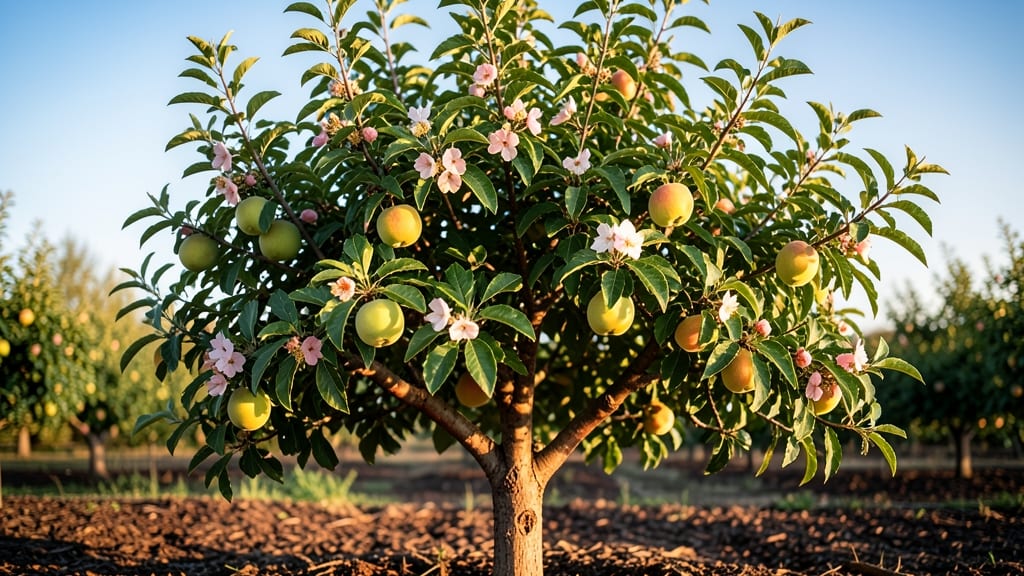
How tall does a peach tree grow?—it depends entirely on the variety, with heights ranging from 8 feet for compact types to towering 25 feet for standard giants. Your backyard space matters more than you might think when choosing the right tree.
Picture this: a dwarf 'Bonanza' peach tree 🍑 fits neatly in a small urban yard, while a standard 'Elberta' stretches taller than your two-story house. That difference isn’t just about aesthetics—it’s about harvest potential, pruning effort, and whether your tree even fits where you planted it.
If you’re working with limited space, the right variety can save you from years of wrestling with overgrown branches. Below, I’ll break down the height ranges for popular peach trees, spacing needs, and how pruning can keep even standard varieties manageable.
You’ll also discover whether peach trees can thrive in containers, how fast they grow, and the one pruning trick that keeps dwarf trees compact and standard trees from becoming unruly giants.


Peach tree height by variety: dwarf to standard sizes explained
Choosing the right peach tree variety isn't just about flavor—it's about space planning. A standard peach tree can tower 20-25 feet tall, while dwarf varieties stay compact at just 6-8 feet.
The difference means everything for urban gardens, small backyards, or container growing. Let's break down the mature heights of popular varieties so you can pick the perfect fit for your space.
Peach trees grow on different rootstocks, which dramatically affects their final size. Dwarfing rootstocks like 'Lovell' or 'Nemaguard' keep trees small, while standard rootstocks like 'Halford' produce full-sized trees.
Even within dwarf categories, heights vary—some stay under 6 feet, while others reach 12 feet. Understanding these differences helps you avoid overcrowding and makes harvesting easier.
For urban gardeners or those with limited space, dwarf varieties are a game-changer. They produce fruit just like their taller cousins but require far less maintenance and fit neatly into small yards or even large containers.
Meanwhile, standard varieties need room to spread, with branches often reaching 15-20 feet wide at maturity. Let's explore the specifics in this handy comparison.
Dwarf varieties like 'Bonanza' and 'Suncrest' are perfect for container growing or small urban spaces. Their compact size means you can place them on patios, balconies, or even near decks without blocking sunlight for other plants.
Just ensure your container is at least 18-24 inches wide and has drainage holes to prevent root rot.
For backyard gardens, semi-dwarf varieties like 'Redhaven' or 'Relenta' strike a balance. They're tall enough for a classic tree experience but manageable for most homeowners.
Plant them 15-20 feet apart from other trees to allow airflow and reduce disease risk. Their spreading canopies also provide shade for outdoor seating areas.
If you have a large property, standard varieties like 'Elberta' or 'Contender' deliver the classic peach tree experience. These giants produce heavier yields and have broader canopies, but they require regular pruning to maintain shape and health.
Plan for 25-30 feet of clearance in all directions to accommodate their mature size.
One common question is whether peach trees can grow in containers. The answer is yes—but only with dwarf varieties. Use a large pot (24+ inches) filled with well-draining soil and fertilize regularly.
Container-grown trees need more frequent watering since pots dry out faster than ground soil. Move containers to a sunny spot and protect them from winter winds if in colder climates.
Pruning plays a crucial role in managing peach tree height. For dwarf trees, light pruning keeps them tidy, while standard trees need aggressive pruning to control size. Always prune in late winter or early spring before new growth begins.
Remove dead or crossing branches first, then shape the tree by cutting back 1/3 of the previous year's growth to encourage outward growth.
Remember, peach trees grow fastest in their first 3-5 years. A 6-foot dwarf tree might reach 8 feet in just two years, while a standard tree can add 3-5 feet annually.
Monitor growth closely and adjust pruning as needed. With the right variety and care, you'll enjoy homegrown peaches without sacrificing your garden space.
🍑
How to choose the right peach tree size for your garden space
Selecting the perfect peach tree size for your garden starts with understanding your space. Standard varieties like 'Elberta' can reach 20-25 feet, while dwarf varieties like 'Bonanza' stay compact at 6-8 feet.
If you have limited space, dwarf or semi-dwarf trees are ideal for patios, small yards, or even containers. But if you're working with a spacious backyard, standard trees offer more fruit production potential.
Your garden’s sunlight exposure also plays a critical role. Peach trees thrive with 6-8 hours of direct sun daily, so ensure your chosen spot gets plenty of light.
Dwarf varieties can adapt slightly to partial shade, but they’ll produce fewer fruits. For larger trees, full sun is non-negotiable—it’s essential for strong growth and sweet, flavorful peaches.
Consider your gardening goals too. Are you growing peaches for fresh eating, canning, or selling at a farmers' market? Larger trees yield more fruit but require more maintenance, while dwarf trees are perfect for low-maintenance harvests.
If you’re new to fruit tree care, starting with a dwarf variety can help you build confidence before tackling bigger trees.
Peach Tree Size Options: Pros and Cons
Dwarf Varieties (6-8 ft)
- ✅ Pros: Fits small spaces, easy to prune, ideal for containers
- ✅ Pros: Faster to bear fruit (2-3 years)
- ✅ Pros: Lower maintenance, less risk of storm damage
- ❌ Cons: Smaller fruit yield per tree
- ❌ Cons: Requires more frequent pruning to maintain shape
Semi-Dwarf (12-18 ft)
- ✅ Pros: Balanced size for medium gardens
- ✅ Pros: Higher fruit production than dwarfs
- ✅ Pros: Easier to manage than standard trees
- ❌ Cons: Needs more space than dwarfs
- ❌ Cons: May require occasional pruning
Standard (20-25 ft)
- ✅ Pros: Maximum fruit production
- ✅ Pros: Long lifespan (20+ years)
- ✅ Pros: Ideal for large backyards
- ❌ Cons: Requires significant space
- ❌ Cons: Needs regular pruning and maintenance
- ❌ Cons: Higher risk of storm damage
For container gardening, dwarf peach trees are your best bet. Use a large pot—at least 24 inches in diameter—with drainage holes and fill it with well-draining soil. Place the container in a sunny spot and water it consistently, as containers dry out faster than ground soil.
Just remember, container-grown peach trees may produce fewer fruits than their in-ground counterparts.
If you’ve already planted a standard-sized peach tree and it’s outgrowing its space, don’t panic! Pruning techniques can help manage its height. Focus on open-center pruning to encourage an open canopy, which improves air circulation and makes harvesting easier.
Remove any suckers at the base and thin out crowded branches to maintain a manageable shape. Just avoid heavy pruning in late summer or fall, as it can stimulate new growth that won’t harden off before winter.
Ultimately, the right peach tree size depends on your unique garden layout and lifestyle. Whether you opt for a compact dwarf, a versatile semi-dwarf, or a classic standard, always prioritize proper spacing, sunlight, and care.
With the right variety and a little planning, you’ll enjoy a bountiful peach harvest for years to come! 🍑