
Pruning
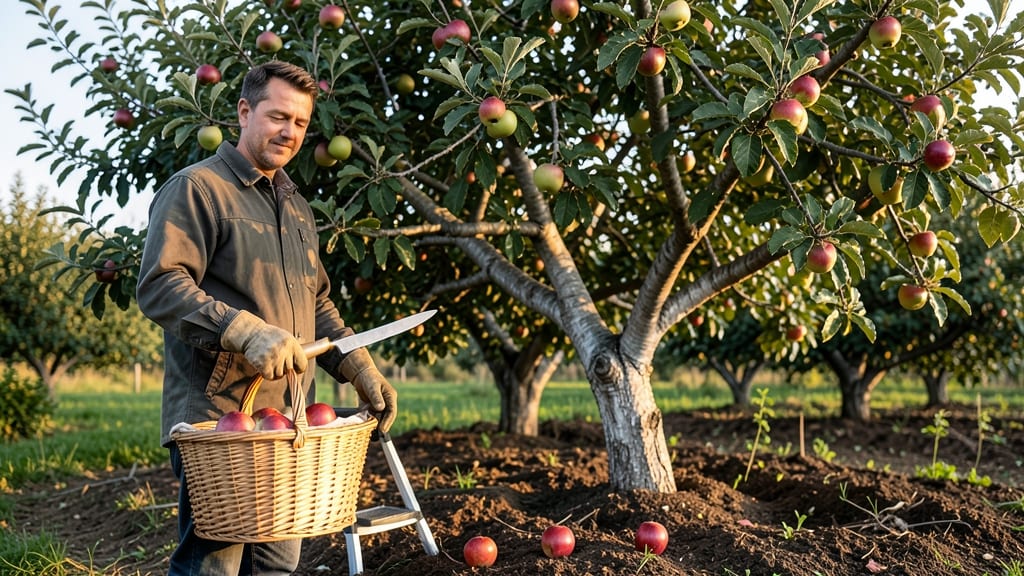
Picking fruit at the perfect moment means the difference between sweet, juicy harvests and tart, bruised disappointment. 🌿 I’ve learned the hard way—overripe peaches turn mushy in minutes, while underripe apples never ripen off the tree.
The secret lies in knowing when to reach for your basket and how to handle each fruit type without damaging the tree or the crop.
Start by checking the fruit’s color, firmness, and scent—apples blush red, peaches soften slightly, and citrus releases that unmistakable tang. A gentle twist or tug usually does the trick, but always use sharp pruners for stubborn branches.
Beginners often overlook the tree’s health: pick carefully to avoid breaking limbs, and harvest on dry days to prevent disease.
Once you’ve gathered your bounty, proper storage extends freshness. Apples and pears keep weeks in cool, dark spaces, while stone fruits last just days in the fridge. The right technique means you’ll enjoy homegrown flavor all season long—no wasted labor, no sad grocery store substitutes.
Seasonal timing matters too: early peaches ripen in July, late apples hold until October, and citrus peaks in winter. Adjust your routine, and you’ll turn every harvest into a success—even on your first try.
📚 In This Guide
- What you need
- Instructions
- Tips and common mistakes
- Wrapping up and next steps
What you need
- ○ Harvesting ladders or step stools: Extendable or sturdy 6–10 ft ladders (for tall trees like apples or pears). Optional: A harvesting pole (for delicate fruits like cherries).
- ● Pruning shears or harvest scissors: Sharp, bypass-pruned shears (8–10" blade) for clean cuts. Pro tip: Sanitize blades with rubbing alcohol between trees to prevent disease! 🌡️
- ○ Harvest baskets or buckets: Lightweight, breathable mesh or plastic baskets (1–2 per picker) to avoid crushing fruit. Optional: Harvest bags (for berries or grapes).
- ● Gloves: Nitrile or cotton gloves (cut-resistant for thorny trees like blackberries).
- ● Sun protection: Wide-brimmed hat, UV-blocking sunglasses, and lightweight long sleeves (to shield from sunburn or scratches).
- ● Harvest calendar: Print or digital tracker with tree-specific peak ripeness dates (e.g., apples in late summer, peaches in early fall).
- ○ Fruit ripeness test kit: Optional but handy: A refractometer ($20–$50) to measure sugar content, or a fruit probe thermometer for internal ripeness.
- ● Storage containers: Ventilated crates or cardboard boxes (for post-harvest transport).
- ● First-aid kit: Include tweezers (for splinters), antiseptic wipes, and bandages.
- ● Water & snacks: Hydration pack or insulated bottle + high-energy snacks (nuts, fruit bars).
- ● Weather gear: Light rain jacket or umbrella (for unpredictable harvest days).
Step-by-step guide to maximizing your fruit tree harvest
Here’s how to turn your fruit tree into a year-round producer with simple, proven techniques.
🍎 Step 1: Learn the Right Time to Harvest Each Fruit Type
Timing is everything—pick too early and your fruit lacks flavor; too late and pests or animals may beat you to it. Apples and pears are ready when they separate easily from the branch without tearing the stem. Peaches and nectarines should yield slightly when gently pressed and have full color, even if a few spots remain green. Citrus fruits like oranges and lemons are best when they’re heavy for their size and give a little when squeezed.
I always check ripeness in the morning when fruits are coolest—this gives the most accurate reading. A simple sniff test works too: ripe fruit releases its natural aroma. Write down the ripening schedule for your specific tree varieties so you don’t miss peak harvest windows.
☀️ Step 2: Use the Right Tools for Clean, Damage-Free Picking
Never pull fruit directly from the branch—this can damage both the fruit and the tree. Instead, use pruning shears or a fruit-picking hook for high branches. For delicate fruits like cherries or plums, I use a small fruit basket on a pole to avoid bruising. Always cut the stem at a 45-degree angle just above a leaf node to encourage future growth.
Harvest on dry days to prevent spreading fungal diseases. If rain is in the forecast, pick early and store fruit in a cool, dry place. I like to work with a small bucket or basket lined with a soft cloth to catch any fruit that might drop unexpectedly.
🍑 Step 3: Harvest Strategically for Continuous Yield
Most fruit trees produce over several weeks, not all at once. To maximize yield, pick every 3-5 days during peak season. Start with the lowest, most accessible fruit first—this makes the tree easier to manage as branches grow heavier. For stone fruits like peaches, remove any overripe or damaged fruit immediately to prevent attracting pests.
I always leave a few extra fruits on the tree if I notice birds or squirrels eyeing them. A little loss is worth it to keep the tree healthy and productive. For apples and pears, I pick in batches, storing some in the fridge and others in a cool, dark place to ripen further.
⏰ Step 4: Store and Preserve Your Harvest for Long-Term Enjoyment
Proper storage extends freshness and flavor. Apples and pears keep best in a cool (32-40°F), humid environment, like a basement or unheated garage. Stone fruits and berries should be eaten within 3-5 days or stored in the fridge. Citrus lasts longer at room temperature but can be refrigerated to slow ripening.
For a long-term harvest, consider preserving your fruit. I freeze peaches by blanching them first, then drying apples or pears in a dehydrator. Jams, jellies, and sauces are great ways to use up windfalls or slightly imperfect fruit. Label everything with the date so you know what’s freshest.
🌿 Step 5: Maintain the Tree After Harvest for Next Season’s Success
Once the main harvest is over, don’t neglect your tree. Remove any fallen leaves, fruit, or debris to reduce disease risk. Prune lightly in late winter to open the canopy for better airflow and sunlight, which improves next year’s fruit quality. Fertilize with a balanced, slow-release fertilizer to replenish nutrients lost during harvest.
I also keep an eye out for pests or signs of disease, like spots on leaves or unusual growth. Catching issues early means a healthier tree and a bigger harvest next season. A little care now pays off in spades when your tree is laden with fruit again.
Tips & tricks for perfect fruit tree picking
A few simple tricks can transform your fruit tree from a seasonal bounty to a year-round harvest goldmine.
Ripeness Test Tricks: For apples and pears, the classic "stem pull" test works best when done in the morning—cool temperatures make the fruit firmer, giving you a more accurate reading. For stone fruits like peaches, gently press the fruit with your thumb; it should yield slightly but not feel mushy. Pro tip: Look for color changes near the stem—this is often where ripening starts first.
Tool Selection Matters: Don't underestimate the right tools! A lightweight fruit-picking hook with a soft basket attachment prevents bruising delicate fruits like cherries. For citrus or heavy fruits, use a small pruning saw instead of shears to avoid tearing the branches. I keep a small bucket lined with a towel handy—it catches dropped fruit and gives me a soft landing spot when reaching high.
Harvest Timing Strategy: The 3-5 day picking schedule in Step 3 works best when you start with the lowest, most mature fruit first. This creates a natural progression where higher branches get their turn as the lower ones ripen. For trees with mixed fruit types, prioritize the fastest-ripening varieties first—this prevents overripe fruit from spoiling others nearby.
Storage Hack for Longer Freshness: When storing apples and pears in that cool 32-40°F environment, include an apple or two among other fruits—ethylene gas they produce helps ripen nearby fruit faster. For stone fruits, don't wash them until ready to eat; moisture speeds up spoilage. I wrap individual fruits in paper towels before storing in plastic bags to absorb any excess moisture that might develop.
Pro Tips for Fruit Tree Picking
- A few simple tricks can transform your fruit tree from a seasonal bounty to a year-round harvest goldmine.
- Ripeness Test Tricks: For apples and pears, the classic "stem pull" test works best when done in the morning—cool temperatures make the fruit firmer, giving you a more accurate reading.
- Tool Selection Matters: Don't underestimate the right tools!
Frequently asked questions
Got questions about fruit tree picking? You’re not alone!
Whether you're a first-time harvester or a seasoned pro, these answers will help you pick like a pro—without the stress.
When is the best time to pick fruit from a tree?
The ideal time depends on the fruit! Most fruits (like peaches, plums, and apples) are ready when they’re fully colored, slightly soft to the touch, and easily detach from the tree with a gentle twist. Citrus fruits and berries should be firm but ripe—never mushy. Check your tree’s specific variety for precise timing, as some ripen earlier or later in the season.
How do I know if my fruit is ripe enough to pick?
Look for these telltale signs: color change (deep red, yellow, or purple), aroma (a sweet, fragrant smell), and texture (slight give when pressed). For stone fruits, a gentle tug should release the fruit from the stem. If it resists, wait a day or two. Pro tip: Taste-test one piece if you’re unsure—it’s the best judge!
Can I pick fruit from a neighbor’s tree without asking?
Generally, no—unless it’s a community orchard or the fruit is clearly accessible (like overhanging branches). Always ask permission first to avoid legal issues or offense. If they say yes, offer to share the harvest! Many neighbors appreciate the gesture.
What should I do if my fruit has bugs or damage?
Don’t toss it! Bugs or minor bruises don’t always ruin fruit. Wash it thoroughly, remove damaged spots, and store it separately. Some fruits (like apples) can still be used for baking or cider. For severe infestations, consider organic sprays next season to protect future harvests.
How do I store freshly picked fruit to keep it fresh?
Storage depends on the fruit type:
- Stone fruits (peaches, nectarines): Store unwashed in the fridge for 3–5 days.
- Apples/pears: Keep in a cool, dark place (like a basement) for weeks.
- Berries: Rinse, dry, and store in a single layer with a paper towel in the fridge.
- Citrus: Let dry at room temp for a day before refrigerating.
Wrapping up and next steps
There you have it—your ultimate guide to fruit tree picking for a bountiful, season-long harvest! 🌳 With the right tools, timing, and techniques, you can maximize yield and enjoy fresh, delicious fruit straight from your backyard.
Whether you're a seasoned gardener or just starting out, these tricks will help you turn your trees into productivity powerhouses.
Now that you’re armed with knowledge, grab those pruners and get ready to harvest! Start small—pick a few branches or a single tree—and build your confidence before tackling the whole orchard. Happy picking! 🍎🍊