
Trees
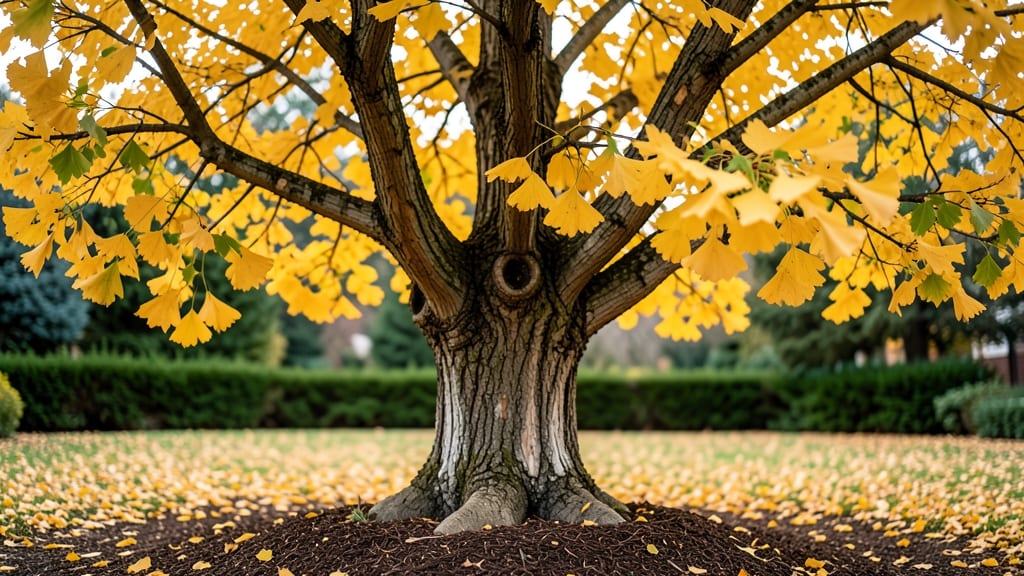
Your ginkgo tree’s yellow leaves might be autumn’s natural show—or a sign it needs help. 🌿 I’ve seen ginkgos turn golden in fall and others struggling from overwatering or nutrient issues. The key is telling the difference between seasonal beauty and trouble.
Start by checking the leaves: crispy edges mean dry soil, while soft yellowing could signal fungal issues. Ginkgos hate soggy roots but love consistent moisture. A simple soil test reveals what’s missing—often nitrogen or iron. With the right care, you’ll restore that vibrant green (or stunning gold) in weeks.
Prune dead branches, adjust watering, and feed only when needed. Your tree will thank you with stronger growth next season. Works for backyard ginkgos, urban plantings, or even container-grown specimens. Let’s bring back that healthy glow!
Root Causes Of Leaf Discoloration
When your ginkgo tree starts showing off its golden hues earlier than expected—or in patches—it’s often a sign that something’s up. While autumn’s natural color shift is beautiful, sudden or unseasonal yellowing can point to deeper issues.
Let’s break down the most common reasons why your ginkgo’s leaves are turning yellow, using science-backed explanations to help you diagnose the problem accurately.
Ginkgo trees are hardy, but they still need the right nutrients to thrive. Yellowing leaves often signal a deficiency in essential elements, particularly in the soil. Here’s what’s likely missing and how to spot it:
- Nitrogen (N) Deficiency:
Yellowing starts on older leaves (interveinal chlorosis) and spreads outward. This is the most common issue in ginkgo trees, especially in poor or sandy soils. Nitrogen is crucial for chlorophyll production, so without it, leaves lose their green pigment.
- Iron (Fe) Deficiency:
Look for young leaves turning yellow while veins stay green. Iron is vital for chlorophyll synthesis, and its deficiency often occurs in alkaline soils (pH > 7.0), where iron becomes less available. Ginkgos hate "lockout" conditions like this.
- Magnesium (Mg) or Potassium (K) Shortages:
Yellowing with brown or necrotic edges on older leaves? Magnesium deficiency weakens the tree’s ability to produce chlorophyll, while potassium issues lead to poor stress resistance. Both are common in overly compacted or leached soils.
💡 Pro Tip: Test your soil’s pH and nutrient levels with a DIY kit or send a sample to a local extension office. Ginkgos prefer slightly acidic to neutral soil (pH 6.5–7.5). If the pH is off, amend it gradually with sulfur (to lower pH) or lime (to raise it). For deficiencies, a balanced slow-release fertilizer (like 10-10-10) in early spring can help.
Ginkgo trees are drought-tolerant, but that doesn’t mean they’re immune to water-related stress. Yellow leaves can appear when roots struggle to absorb moisture—or when they’re drowning in excess water.
- Underwatering:
Leaves may curl, crisp, or yellow at the edges before falling off. Ginkgos develop deep root systems, but young trees or those in containers need consistent moisture. Sign: Pull back the mulch—if the top 2–3 inches of soil are dry, it’s time to water deeply.
- Overwatering or Poor Drainage:
Yellowing leaves with soggy soil or root rot symptoms (mushrooms, foul odor) mean the roots are suffocating. Ginkgos hate "wet feet." Fix: Improve drainage by amending soil with compost or perlite, or ensure the planting site has a slight slope.
- Fungal Infections (e.g., Phytophthora):
If yellowing is paired with wilting or leaf drop, a soil-borne fungus might be attacking the roots. These thrive in waterlogged conditions and can be deadly if untreated.
🌡️ Actionable Fix: Water deeply 1–2 times per week (depending on climate) and avoid shallow, frequent watering. Mulch with 3–4 inches of organic matter (like wood chips) to retain moisture and regulate soil temperature.
While ginkgo trees are resilient, pests and diseases can still turn their leaves yellow. Here’s what to watch for:
- Spider Mites:
Tiny pests that suck sap, causing yellow stippling or webbing on leaves. They thrive in dry, hot conditions. Sign: Hold a leaf up to light—you might see tiny moving dots.
- Scale Insects:
These sap-sucking insects appear as brown bumps on stems or undersides of leaves, leading to yellowing and stunted growth. They secrete honeydew, which can attract sooty mold (a black fungal growth).
- Bacterial or Fungal Leaf Spot:
Yellow or brown spots with dark borders may indicate diseases like anthracnose or rust. These often appear in wet springs or falls. Remove and destroy infected leaves to prevent spread.
🔥 Quick Solutions:
- Spray leaves with water (for mites) or apply neem oil (for scales) every 7–10 days.
- Prune and sterilize tools with rubbing alcohol to remove infected branches.
- Improve air circulation around the tree to reduce humidity-related fungal growth.
Sometimes, the issue isn’t the tree itself but its surroundings. Ginkgo trees can react to environmental stressors with yellow leaves:
- Excessive Heat or Sunburn:
Leaves may turn yellow or brown in direct sunlight, especially if the tree is suddenly exposed (e.g., after nearby trees are removed). Ginkgos prefer partial shade in hot climates.
- Air Pollution or Salt Buildup:
Yellowing near roads or in urban areas could signal ozone or sulfur dioxide damage. Similarly, salt buildup from de-icing or poor-quality water can stress roots, leading to chlorosis.
- Cold Damage:
Late frosts or sudden cold snaps can cause yellowing or browning of leaves, especially in young trees. Ginkgos are cold-hardy but may suffer if temperatures drop below -20°F without acclimation.
✨ Long-Term Fixes:
- Provide afternoon shade in extreme heat with shade cloth or nearby plants.
- Flush soil with water to reduce salt buildup, or use rainwater for irrigation.
- Mulch heavily in winter to insulate roots from freezing temperatures.
Reviving Your Ginkgo’s Golden Glow
When your ginkgo tree’s leaves turn a stunning yellow, it’s often a sign of nature’s seasonal magic—but sometimes, it’s a cry for help. 🌿✨ Whether the cause is environmental stress, pests, or disease, the good news is that most issues can be reversed with the right care.
Below, we’ll break down practical, step-by-step solutions tailored to each root cause, plus prevention tips to keep your ginkgo thriving for years.
If yellowing leaves are due to overwatering, underwatering, or poor soil, your ginkgo needs a little TLC to bounce back.
💧 Adjust Watering for Balance
- Overwatered trees? Let the top 2–3 inches of soil dry out before watering again.
Use a moisture meter or stick your finger in the soil to check. - Underwatered trees? Water deeply once a week (more in extreme heat) and mulch around the base to retain moisture.
Avoid soggy roots—ginkgos hate "wet feet." - Pro Tip: 💡 Water in the early morning to reduce evaporation and fungal risks.
🌡️ Optimize Soil & Drainage - Test your soil (pH 6.5–7.5 is ideal for ginkgos).
Amend with compost or peat moss if it’s too alkaline or compacted. - Improve drainage by adding organic matter (like coconut coir or perlite) if your soil feels heavy or clay-like. - Avoid heavy fertilizers—ginkgos prefer low-nitrogen, balanced feeds (e.g., 10-10-10) in early spring.
☀️ Shield from Harsh Conditions
- Move potted ginkgos to a spot with morning sun and afternoon shade if leaves are scorched.
- Use shade cloth (30–50%) during heatwaves to prevent leaf burn.
- Wind protection: Plant near a fence or use burlap wraps if gusts are stripping leaves.
If spider mites, scale, or aphids are sucking the life out of your ginkgo, act fast with these non-toxic fixes.
🔥 Blast Off Pests with Pressure
- Spray leaves with a strong stream of water (early morning) to dislodge mites and aphids.
Repeat weekly for 2–3 weeks. - Neem oil spray (1 tsp neem oil + 1 tsp mild soap + 1 quart water) applied every 5–7 days smothers pests and disrupts their life cycle.
🍳 Homemade Traps & Barriers
- Sticky traps (yellow cards coated with petroleum jelly) catch flying pests like aphids.
- Diatomaceous earth (food-grade) around the base kills crawling insects like scale by dehydrating them.
- Encourage predators: Ladybugs and lacewings love ginkgo pests—plant nearby dill, fennel, or marigolds to attract them.
🚫 Prevent Future Infestations
- Inspect new plants before bringing them home.
- Prune and dispose of heavily infested branches outside your yard (don’t compost!).
- Avoid broad-spectrum pesticides—they kill beneficial insects too.
If powdery mildew, rust, or bacterial leaf spot are causing yellowing, stop the spread with these fungicides and hygiene tips.
🍳 DIY Fungicide Sprays
- Baking soda spray (1 tsp baking soda + 1 tsp oil + 1 quart water + a drop of soap) applied every 10–14 days prevents mildew.
- Copper fungicide (follow label rates) for bacterial infections—spray at the first sign of spots.
🌿 Improve Airflow & Hygiene
- Prune to open the canopy—ginkgos need good airflow to dry leaves quickly.
- Remove fallen leaves and debris from the base to reduce spore buildup.
- Water at the base (not overhead) to keep leaves dry.
🔥 Emergency Measures for Severe Cases
- If large branches are dying, prune them in dry weather with sterilized shears (wipe with rubbing alcohol between cuts).
- For bacterial infections, remove and burn infected leaves (don’t compost).
Once your ginkgo’s leaves are back to their vibrant green (or golden, if it’s autumn!), lock in its health with these habits:
- 📅 Mulch annually (2–3 inches of wood chips) to regulate soil temperature and moisture.
- 🍃 Feed lightly in early spring with a balanced, slow-release fertilizer.
- 🌡️ Monitor weather—ginkgos are tough but hate sudden temperature swings (e.g., frost after a warm spell).
- 👀 Watch for early signs—catch yellowing before it spreads to branches.
- Environmental stress: 4–8 weeks (with consistent care).
- Pests: 2–4 weeks (after treatment).
- Fungal/bacterial: 3–6 weeks (depends on severity).
Patience is key! Ginkgos are resilient—with the right care, they’ll reward you with lush green (or golden) foliage for decades. 🌳💛
Frequently asked questions
Is it normal for ginkgo trees to have yellow leaves in spring?
Not typically. While ginkgos naturally turn golden in autumn, spring yellowing usually signals stress. Check for nutrient deficiencies (like nitrogen or iron) or water issues—either soggy soil or dry conditions. If leaves appear crispy at the edges, it’s likely underwatering; if they’re soft and drooping, overwatering may be the culprit. Test your soil pH (ideal: 6.5–7.5) to rule out nutrient lockout.
How can I tell if yellow leaves are from pests vs. disease?
Look closely! Pests (like spider mites or scale) cause stippled yellowing or sticky residue (honeydew). Hold a leaf up to light—you might spot tiny moving dots. Diseases (e.g., fungal spots) show as brown/yellow patches with dark borders. Check the leaf undersides too—pests often hide there. For mites, spray with water; for diseases, prune infected branches and apply copper fungicide.
Can I fertilize my ginkgo tree to fix yellow leaves?
Only if you’ve confirmed a nutrient deficiency! Ginkgos prefer light feeding—use a balanced, slow-release fertilizer (like 10-10-10) in early spring if soil tests show low nitrogen or iron. Avoid heavy fertilizers, which can burn roots. For iron deficiencies in alkaline soil, apply chelated iron or amend soil with peat moss to lower pH gradually. Over-fertilizing worsens yellowing!
Will pruning help yellow leaves on my ginkgo?
Pruning alone won’t fix the root cause, but it can improve airflow and reduce stress. Remove dead, diseased, or crossing branches in late winter/early spring to encourage new growth. Sterilize tools with rubbing alcohol between cuts to prevent spreading disease. Focus on thinning the canopy—ginkgos need sunlight to produce chlorophyll. Pair pruning with addressing water or nutrient issues for best results.
Are ginkgo trees sensitive to urban pollution?
Surprisingly, yes! While ginkgos tolerate pollution better than many trees, ozone or sulfur dioxide can cause yellowing, especially near roads. If your tree is in an urban area, water deeply to help flush out toxins and mulch heavily (3–4 inches) to protect roots. Avoid fertilizers with high salt content, which worsen stress. For severe cases, consider moving potted ginkgos to a less polluted spot.