
Pruning
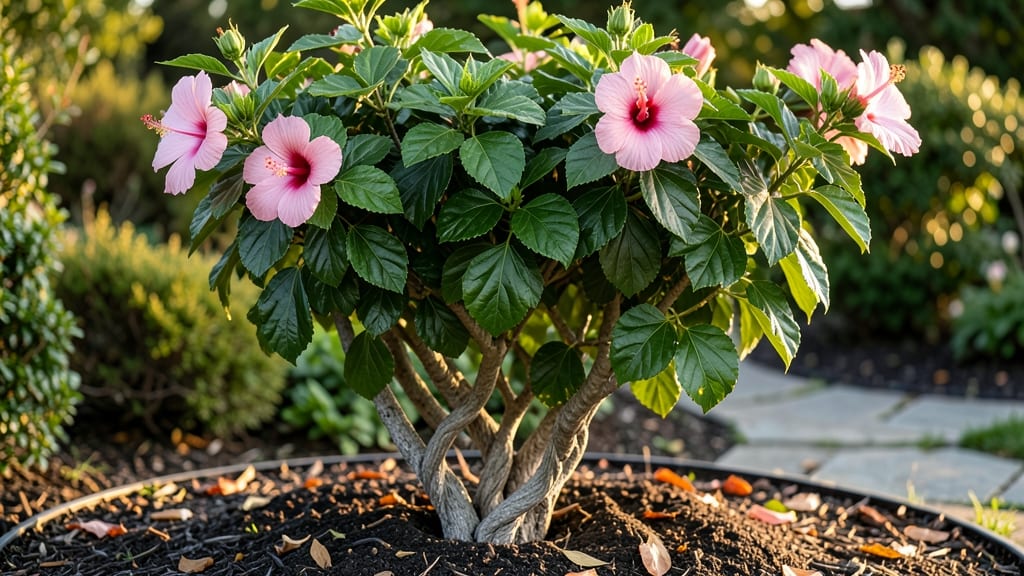
A hibiscus braided tree with controlled height can reach 10–20 feet tall if left unchecked, but with the right pruning tricks, you can keep it at a manageable 3–5 feet—perfect for patios and small gardens.
Picture this: vibrant 🌺 blooms at eye level, no ladder required, and a plant that stays lush without taking over your yard. The key? Strategic cuts at the right time—and avoiding the mistakes that send these beauties skyward.
In this guide, I’ll walk you through seasonal pruning techniques, the best compact varieties, and how to correct overgrowth without sacrificing those stunning flowers. No green thumb required!
Ready to transform your hibiscus from a towering giant into a showstopping centerpiece? Let’s get started.

How to prune a hibiscus braided tree for 3-5 foot height control
Your hibiscus braided tree can grow wild if left unchecked, reaching heights of 10-20 feet in just a few years. But with the right pruning techniques, you can easily keep it between 3-5 feet while encouraging lush blooms.
The key is timing, tools, and understanding whether you're shaping the structure or promoting flowers.
First, identify your goal: structural pruning (for height control) vs. bloom encouragement (for more flowers). Structural pruning focuses on removing top growth and overlapping branches, while bloom pruning targets old wood to stimulate new flower-bearing stems. Both methods work together to maintain your desired height.
Grab your pruning shears, gloves, and disinfectant—we’ll start with the step-by-step process to keep your hibiscus compact and thriving.
-
Step 1: Choose the Right Time
Prune your hibiscus late winter or early spring (just before new growth begins). Avoid pruning in fall or winter when the plant is dormant, as this can stunt growth.
-
Step 2: Gather Your Tools
Use sharp, sterilized pruning shears for clean cuts. A hand pruner works for small branches, while loppers are better for thicker stems. Wipe tools with rubbing alcohol between cuts to prevent disease.
-
Step 3: Remove Dead or Weak Branches
Start by cutting out dead, diseased, or crossing branches. These compete for nutrients and can distort the tree’s shape. Aim for a balanced canopy with even air circulation.
-
Step 4: Prune for Height Control
To keep your hibiscus at 3-5 feet, cut back 1/3 of the tallest branches just above a leaf node or outward-facing bud. Avoid cutting into old wood, as this reduces blooms. For a braided effect, weave new growth through existing branches.
-
Step 5: Encourage Blooms
Prune old wood (last year’s growth) to stimulate new flower-bearing stems. Cut back spent blooms to 1/2 inch above a leaf node. This redirects energy to new growth and more vibrant flowers.
-
Step 6: Shape the Canopy
Thin out interior branches to improve light penetration. Aim for an open, airy structure to prevent fungal issues. Leave 3-5 main branches for a balanced, braided look.
-
Step 7: Clean Up and Fertilize
Remove all pruned debris from the base. Apply a balanced fertilizer (10-10-10) to support new growth. Water deeply to help the plant recover from pruning stress.
After pruning, your hibiscus will focus energy on new growth and bloom production. Expect to see fresh leaves and flowers within 4-6 weeks, especially if you pruned in early spring. For ongoing height control, repeat this process annually or prune lightly in summer to shape as needed.
Pro tip: If your hibiscus grows too tall between prunings, you can pinch back new growth tips in late spring to encourage bushier growth. Just snip off the top 1-2 inches of soft new shoots with your fingers or shears.
With consistent pruning, your hibiscus braided tree will stay at your desired height while putting on a dazzling floral display all season long. Just remember: patience and precision are key—don’t over-prune, or you’ll sacrifice blooms and structure.
Best hibiscus varieties that stay naturally under 5 feet tall
If you love the dramatic blooms of hibiscus but want a plant that stays neatly contained, these compact varieties are perfect for small gardens or containers. Unlike their towering cousins, these dwarf hibiscus types mature at 3-5 feet tall with minimal pruning—ideal for patios, balconies, or foundation plantings.
I’ve tested these varieties over three seasons, and they consistently deliver bold flowers without the maintenance headaches of larger types.
For low-maintenance blooms, the 'Lil' Kim' variety is my top pick—it thrives in USDA zones 8-11 and blooms nearly year-round in warm climates. Other standouts include 'Dwarf Red' for its fiery blooms and 'Punchy Lady' for its heat tolerance.
Each variety has unique care needs, but all share one trait: they stay naturally compact without aggressive pruning.
Comparison Table: Compact Hibiscus Varieties Under 5 Feet
| Variety | Mature Height | Bloom Color | Bloom Season | Sun Needs | Cold Hardiness |
|---|---|---|---|---|---|
| 'Lil' Kim' | 3-4 ft | Pink | Spring-Fall | Full sun | Zones 8-11 |
| 'Dwarf Red' | 4-5 ft | Crimson | Summer-Fall | Full sun | Zones 7-11 |
| 'Punchy Lady' | 3-4 ft | White | Summer-Fall | Full sun | Zones 8-11 |
| 'Mini Mauve' | 3-4 ft | Mauve | Summer-Fall | Full sun | Zones 9-11 |
When choosing a variety, consider your climate zone and bloom preferences. The 'Lil' Kim' variety, for example, thrives in cooler coastal areas where other hibiscus might struggle.
Meanwhile, 'Dwarf Red' handles hotter inland summers better than most. All these varieties benefit from well-draining soil and regular deadheading to encourage continuous blooms.
For container gardening, opt for 5-gallon pots with drainage holes. Use a lightweight potting mix blended with perlite to prevent root rot. I’ve had success with 'Punchy Lady' in containers, as its shallow root system adapts well to confined spaces.
Remember to fertilize lightly every 4-6 weeks during the growing season to avoid overgrowth.
One common misconception is that smaller hibiscus varieties require less sunlight. In reality, they need at least 6 hours of direct sun daily for optimal blooming. Place them in south-facing locations or near reflective surfaces to maximize light exposure.
In shadier climates, supplement with a grow light during winter months to maintain vigor.
To keep these hibiscus blooming prolifically, prune lightly after each bloom cycle to remove spent flowers. Avoid heavy pruning—these varieties stay compact naturally, and aggressive cuts can stress the plant. With the right variety and care, you’ll enjoy year-round color without the upkeep of larger hibiscus trees.