
Pruning
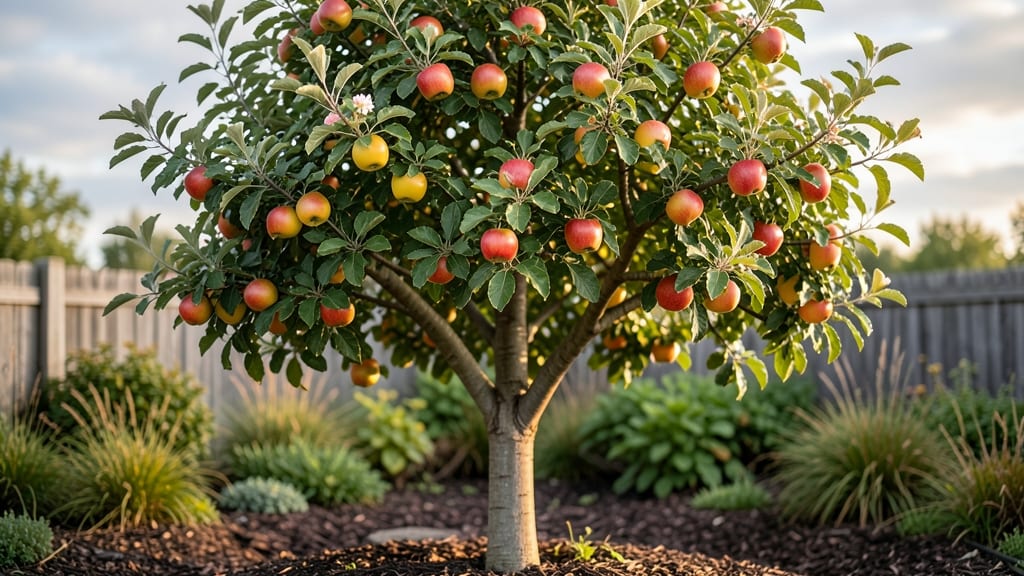
Honeycrisp apple trees grow best in USDA hardiness zones 3 through 8, where cold winters trigger the dormancy period needed for sweet, flavorful fruit. Plant them in well-draining soil with full sun exposure and leave at least 15-20 feet between trees for proper air circulation.
These Honeycrisp apple trees need 500-700 chill hours (temperatures below 45°F) each winter to set fruit properly.
Without enough cold, you’ll end up with smaller, less sweet apples—or no fruit at all. 🍏 I’ve seen gardeners in zone 9 struggle with this variety because it simply doesn’t get the winter chill it craves.
If you’re outside zones 3-8, consider dwarf varieties or container growing for milder climates, though yields may be lower.
For planting, focus on well-draining soil with a pH between 6.0 and 7.0—Honeycrisp trees hate soggy roots. A south-facing location with 6-8 hours of sunlight daily maximizes fruit production, while proper spacing prevents disease by improving airflow.
Pair your tree with herbs like thyme or lavender nearby—they naturally deter pests without chemicals.
💡 In This Article
- Understanding Honeycrisp Apple Tree Cold Requirements
- Best Planting Locations and Soil Conditions for Honeycrisp Trees
Understanding Honeycrisp apple tree cold requirements
The Honeycrisp apple tree's love for cold stems from its genetic makeup as a Malus domestica variety bred for crisp, sweet flavor. These trees require 500-700 chill hours annually—those are hours where temperatures stay between 32-45°F.
This cold exposure triggers a biological process called endodormancy, where the tree's metabolic activity slows dramatically, allowing it to "reset" for spring growth and fruit production. Without sufficient chill hours, the tree's flowering and fruiting cycles get disrupted, often resulting in poor-quality fruit or complete failure to bear apples.
Here's how it works: During winter, the cold temperatures cause the tree to produce abscisic acid, a plant hormone that signals dormancy. This hormone builds up in the tree's buds and stems, preventing premature growth until spring.
For Honeycrisp specifically, the ideal winter pattern includes at least 100 hours below 32°F to break any potential bud dormancy issues.
In zone 5, for example, you'd typically see around 600 chill hours naturally, while zone 8 might only get 400—explaining why some gardeners in warmer areas struggle with this variety. 💫
What most people don't realize is how temperature fluctuations matter more than just the total chill hours. The tree needs both steady cold periods (like prolonged nights below 40°F) and warm daytime recovery (above 50°F) to properly metabolize the cold.
This daily temperature dance helps the tree's vascular system prepare for spring sap flow. In microclimates where winters are mild but consistent (like protected valleys), you might still get good results even if your official zone is borderline—just monitor your local weather patterns for 2-3 years before planting.
To verify if your location meets these requirements, check the National Oceanic and Atmospheric Administration (NOAA) climate database for your specific area. Look for stations within 10 miles of your planting site—they'll show you the average chill hours and minimum winter temperatures.
For example, Minneapolis (zone 4) averages 650 chill hours, while San Francisco (zone 9) only gets about 300.
If you're in a marginal zone, consider planting near a south-facing wall or using black plastic mulch in winter to absorb heat and create microclimate variations that might help meet the chill requirements.
One advanced technique for gardeners in warmer zones is artificial chilling. While not foolproof, some growers use hydrogen cyanamide sprays (a dormancy-breaking chemical) in late winter to simulate cold exposure. However, this method requires precise timing and shouldn't replace proper winter chilling—it's more of a supplement for borderline zones.
The key takeaway is that Honeycrisp trees aren't just picky about zones—they need the right kind of winter, with both duration and temperature variation playing crucial roles in their annual cycle. 🍏
Remember that even within zones 3-8, there are significant variations. For instance, a high-elevation site in zone 7 might get enough chill hours to thrive, while a coastal area in the same zone might struggle.
Always consider your specific microclimate when selecting planting locations. The tree's ability to produce those signature juicy, sweet Honeycrisp apples depends entirely on getting this cold requirement just right.