
How To
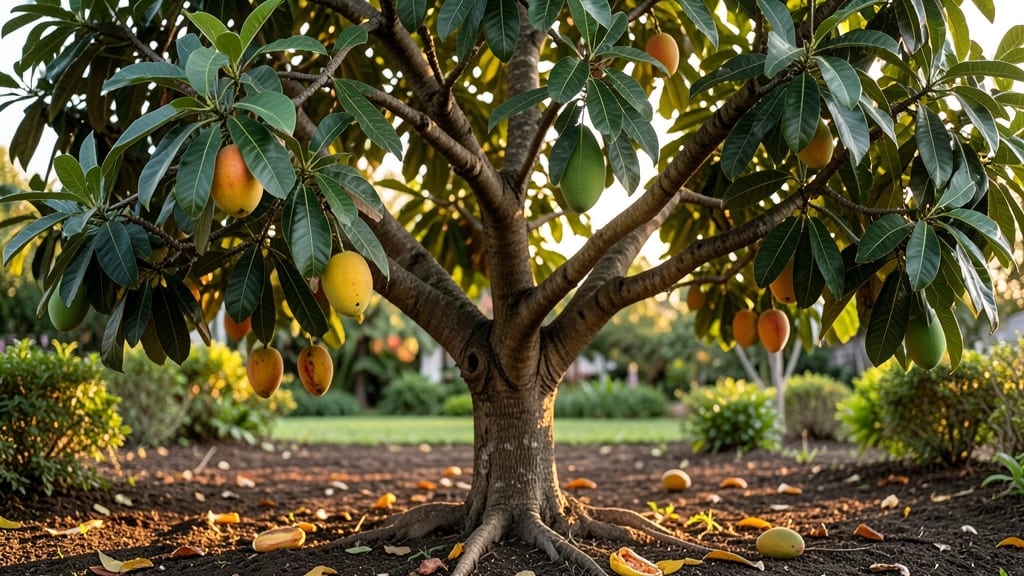
A mango tree can grow to 60 feet tall or more 🥭, towering like a tropical skyscraper in your backyard if left unchecked.
Picture this: a sun-drenched orchard where these giants stretch toward the sky, their glossy leaves rustling in the breeze. But here’s the catch—most home gardeners don’t have room (or patience) for a 5-story tree.
The good news? With the right variety and care, you can keep your mango tree at a manageable height while still enjoying its lush foliage and sweet fruit.
Whether you’re dreaming of a dwarf variety that stays under 30 feet or a semi-dwarf that hits 45 feet, understanding your tree’s growth potential is key. Factors like pruning, sunlight, and soil quality play a huge role in shaping its future height—and your harvest.
In this guide, I’ll break down exactly how tall different mango varieties can grow, the secrets to controlling their size, and the care tips to keep them thriving—no matter how much space you have.


Mango tree height by variety: from dwarf to towering giants
If you’re dreaming of growing a mango tree but worried about space, don’t fret—there’s a variety for every backyard! Mango trees can range from compact dwarf types perfect for containers to sky-scraping giants that need acres.
The right choice depends on your climate, space, and patience for growth. Let’s explore the stunning height variations across popular varieties and what they need to thrive.
Standard mango trees like the ‘Haden’ or ‘Keitt’ varieties can soar to 50-60 feet tall, making them more suited for tropical farms than suburban yards. Meanwhile, dwarf varieties like ‘Cogshall’ or ‘Julie’ stay between 15-25 feet, fitting beautifully in small gardens or even large pots.
Choosing the right size ensures you’ll enjoy both the tree’s beauty and its delicious fruit without sacrificing your lawn.
🌱 Key Insight: Height isn’t just about space—it also affects fruit production, care needs, and even how quickly you’ll get your first harvest. Below, we’ll break down the most popular varieties by size, including their growth habits, care requirements, and ideal growing conditions.
Dwarf varieties like ‘Cogshall’ are my top pick for beginners because they mature quickly—often producing fruit in 3-5 years—while staying manageable. These trees thrive in USDA Zones 10-11 but can also be grown in containers and brought indoors during winter in cooler climates.
Their compact size makes them ideal for patios or small urban gardens where space is limited.
For those with more room, semi-dwarf varieties like ‘Kent’ offer a happy medium, reaching 25-35 feet while still being easier to manage than standard trees. These varieties are perfect for medium-sized yards and often produce larger, sweeter fruit.
They require similar care to dwarf types but need slightly more space for root development and airflow.
If you’re in a tropical or subtropical climate with plenty of space, standard varieties like ‘Haden’ or ‘Tommy Atkins’ are worth the commitment. These giants can tower over 60 feet and require regular pruning to control their size.
Their reward? Abundant fruit production and a stunning canopy that provides shade for decades. Just be prepared for their rapid growth—some varieties can add 3-5 feet per year!
Grafted mango trees, like ‘Irwin’ on dwarf rootstock, are a clever compromise for those who love the flavor of larger varieties but lack the space. These trees combine the fruit quality of standard types with the compact size of dwarfs.
They’re ideal for container growing or small backyards, though they still need full sun and consistent care to thrive.
No matter which variety you choose, remember that proper care is key to managing height. Regular pruning, adequate sunlight, and well-draining soil will help your mango tree stay healthy and within your desired size limits.
In the next section, we’ll dive into the factors that influence growth, so you can give your tree the best possible start!
🌳 Whether you’re dreaming of a towering tropical giant or a neat container specimen, there’s a mango tree perfect for your space—and your taste buds!
Factors that influence how tall a mango tree grows
Your mango tree’s final height isn’t just genetics—it’s a mix of climate, soil quality, and how you care for it. In ideal conditions, standard varieties can soar to 60+ feet, while dwarf types stay under 30 feet.
The key is understanding how these factors interact to shape your tree’s growth trajectory.
One of the biggest influences is your local climate. Mango trees thrive in tropical and subtropical zones (USDA zones 10-11), where warm temperatures and high humidity fuel rapid growth.
Outside these zones, growth slows dramatically, often resulting in shorter stature and reduced fruit production. Even in perfect climates, a single harsh winter can stunt growth for years.
Factors Affecting Mango Tree Height
✅ Pros of Optimal Conditions
- Faster growth in full sun
- Taller stature with proper pruning
- Better fruit yield in warm climates
- Disease resistance with well-draining soil
❌ Cons of Poor Conditions
- Stunted growth in cold climates
- Weak branches from over-pruning
- Root rot risk in heavy, wet soil
- Smaller fruit with insufficient sunlight
Balancing these factors ensures your mango tree reaches its full potential while staying manageable for your space.
Another critical factor is soil composition. Mango trees demand well-draining, slightly acidic soil (pH 5.5-7.5). Heavy clay soils can suffocate roots, leading to slower growth and potential disease.
Amending soil with compost or sand improves drainage, while mulching helps retain moisture—both essential for a tree reaching its genetic height potential.
Your watering practices play a surprising role too. While mango trees need deep, infrequent watering, overwatering can cause root stress, limiting upward growth. In contrast, consistent moisture during the growing season encourages taller, stronger trunks. Always water in the morning to reduce fungal risks and maximize nutrient absorption.
Don’t underestimate the power of pruning techniques. Strategic pruning can either encourage vertical growth or keep your tree compact. Removing lower branches early on promotes a taller trunk, while crown thinning prevents overgrowth. Poor pruning—like cutting too aggressively—can stress the tree, leading to stunted growth and weaker structure.
Finally, consider your tree’s variety. Dwarf mangoes like ‘Cogshall’ stay under 25 feet, while standard types like ‘Haden’ or ‘Keitt’ can exceed 50 feet. Even within varieties, container-grown trees remain smaller due to root restriction. Choose a variety that matches your space and climate goals for the best results.
By mastering these factors, you’ll guide your mango tree’s growth—whether you dream of a towering tropical giant or a manageable backyard beauty. 🌳