
How To
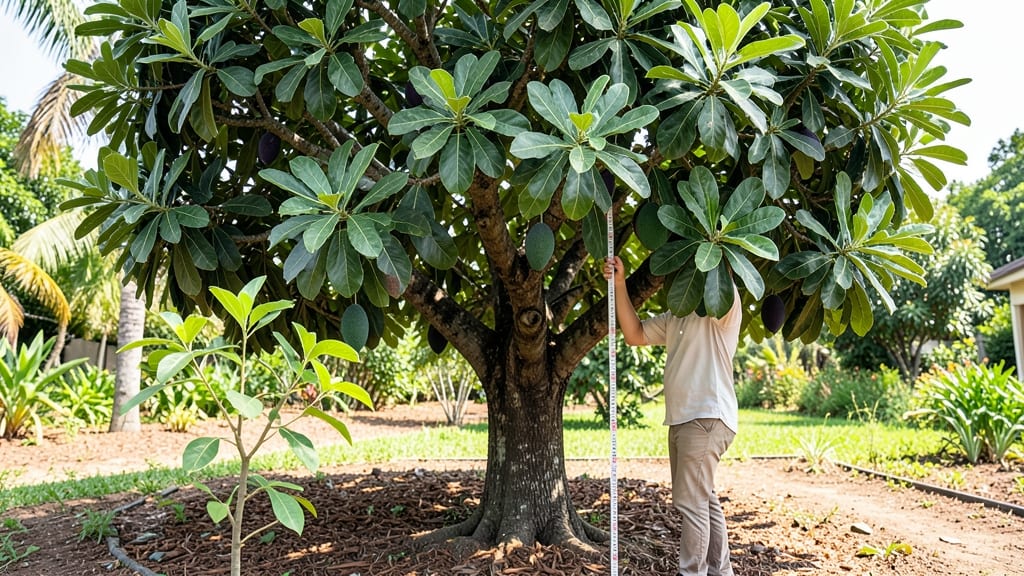
If you’ve ever dreamed of growing your own avocados but worried about space, you’re not alone. Some varieties stay compact enough for a sunny patio, while others reach towering heights that rival a three-story building. The difference comes down to rootstock, pruning, and where you plant it.
Dwarf varieties like the Mexicola or Bacon stay under 16 feet, making them ideal for containers, while standard types like Hass or Fuerte can easily hit 40 feet outdoors.
Even indoors, with the right care, you can keep a tree manageable — but neglect it, and you’ll end up with a jungle in your backyard.
Here’s how to pick the right size for your space, control growth with pruning, and avoid common mistakes that turn your avocado into a 20-foot monster before you know it.


Avocado tree height by variety: dwarf vs standard vs giant sizes
Choosing the right avocado variety is critical if you're working with limited space. Some avocado trees grow as tall as 80 feet in ideal conditions, while others—like dwarf varieties—stay under 10 feet when properly managed.
The key difference lies in the rootstock used during grafting, which determines whether your tree remains compact or reaches towering heights. For example, the popular Hass avocado can grow up to 40 feet in the ground but stays under 8 feet when grafted onto dwarf rootstock.
If you're growing avocados in containers or small urban gardens, dwarf varieties are your best bet. These trees are specifically bred or grafted to stay manageable, often reaching maturity in just 3-5 years instead of the 10+ years required for standard varieties.
The trade-off? Dwarf trees may produce slightly smaller fruit, but the convenience of having fresh avocados within arm's reach makes them worth it for many gardeners.
Below is a detailed comparison of popular avocado varieties, including their mature heights and ideal growing conditions. Whether you're dreaming of a backyard orchard or a single potted tree, this guide will help you choose the perfect variety for your space.
🌱
| Variety | Standard Height (ft) | Dwarf Height (ft) | Best For | Grafting Notes |
|---|---|---|---|---|
| Hass | 30-40 ft | 6-10 ft | Containers, small yards | Graft onto Mexican rootstock |
| Fuerte | 25-35 ft | 5-8 ft | Urban gardens, patios | Dwarf rootstock required |
| Reed | 20-30 ft | 4-6 ft | Indoor/outdoor containers | Cold-hardy dwarf option |
| Bacon | 40-50 ft | 8-12 ft | Large gardens, orchards | Needs strong rootstock |
| Wurtz | 35-45 ft | 7-10 ft | Balconies, small spaces | Fast-growing dwarf |
| Lamb Hass | 25-35 ft | 5-7 ft | Greenhouse cultivation | Cold-tolerant dwarf |
Understanding these height differences is crucial for planning your garden layout. For instance, the Bacon avocado variety naturally grows into a giant tree, making it ideal for large estates or commercial orchards.
In contrast, the Reed avocado stays small enough for container growing, perfect for balconies or patios where space is limited. Always check the rootstock type when purchasing dwarf varieties, as this determines how well the tree will adapt to your growing conditions.
If you're considering container growing, remember that even dwarf varieties need proper drainage and regular pruning to maintain their compact size. A 5-gallon container works well for young dwarf trees, but you'll need to upgrade to 15+ gallons as the tree matures.
The right container size prevents root-bound stress, which can stunt growth or reduce fruit production.
Another factor to consider is the growth rate of each variety. While dwarf trees mature faster, they may take 2-3 years before producing fruit, compared to standard varieties which can take 5-10 years.
The Hass variety, for example, is known for its fast fruiting when grown on dwarf rootstock, making it a top choice for impatient gardeners. Always ask your nursery about the expected time to first harvest when selecting a variety.
For those in colder climates, some dwarf varieties like Reed or Lamb Hass offer better cold tolerance, allowing you to grow avocados in USDA Zones 9-11 with proper protection. If you live outside these zones, consider growing your tree in a large container that can be moved indoors during winter.
This method works surprisingly well for dwarf Hass avocados, which can thrive in bright indoor spaces with supplemental grow lights.
Finally, don't overlook the importance of pruning in managing avocado tree height. Even dwarf varieties benefit from regular pruning to encourage airflow and fruit production. Aim to prune in late winter or early spring
How to control avocado tree height: pruning, grafting, and container gardening tips
Managing an avocado tree’s height is essential for small spaces, but it’s absolutely doable with the right techniques. Whether you’re dealing with a standard Hass avocado that could reach 40 feet or a dwarf grafted variety staying under 10 feet, control is in your hands.
The key lies in understanding pruning methods, grafting strategies, and container gardening—all of which can transform an unruly giant into a manageable houseplant or patio tree.
For urban gardeners, container growing is a game-changer. A 5-gallon pot can easily support a dwarf avocado tree for years, provided you use well-draining soil and a large enough container to accommodate root growth.
This approach not only saves space but also makes it easier to move your tree indoors during cold winters or heatwaves. Even in-ground trees can be kept in check with strategic pruning techniques, ensuring they stay within your yard’s boundaries.
A standard avocado tree can grow up to 80 feet in ideal conditions, but with dwarf rootstock grafting, you can reduce height by 75-80%. This means a 40-foot tree becomes a manageable 6-8 feet—perfect for patios or small backyards!
When it comes to pruning avocado trees, timing and technique are everything. The best time to prune is late winter or early spring, just before new growth begins.
Focus on removing dead or diseased branches first, then shape the tree by cutting back up to 25% of the canopy to encourage bushier growth. Avoid heavy pruning in summer or fall, as this can stress the tree and reduce fruit production.
Always use sterilized pruning shears to prevent disease spread.
For those who want to keep their avocado tree small long-term, grafting onto dwarf rootstock is the most effective method. Nurseries often sell Hass or Fuerte varieties grafted onto Mexican or West Indian rootstock, which naturally stay shorter.
If you’re starting from seed, you’ll need to graft a desirable variety onto a dwarf rootstock once the seedling reaches 6-12 inches tall. This process requires patience but pays off with a compact, fruit-bearing tree in just a few years.
Container gardening opens up a world of possibilities for avocado lovers with limited space. Choose a large, sturdy pot with drainage holes and fill it with a mix of well-draining potting soil, perlite, and compost for optimal growth.
Remember to repot every 2-3 years as the tree grows, upgrading to a container that’s 2-3 inches larger in diameter each time. Place your container in a sunny spot—avocados need at least 6 hours of direct sunlight daily to thrive.
Finally, don’t underestimate the power of regular care in keeping your avocado tree at your desired height. Deep watering once or twice a week, monthly fertilization with a balanced citrus fertilizer, and annual pruning will ensure your tree stays healthy and manageable.
With these strategies, you can enjoy fresh avocados without sacrificing your garden space! 🪴