
Leaf Blower
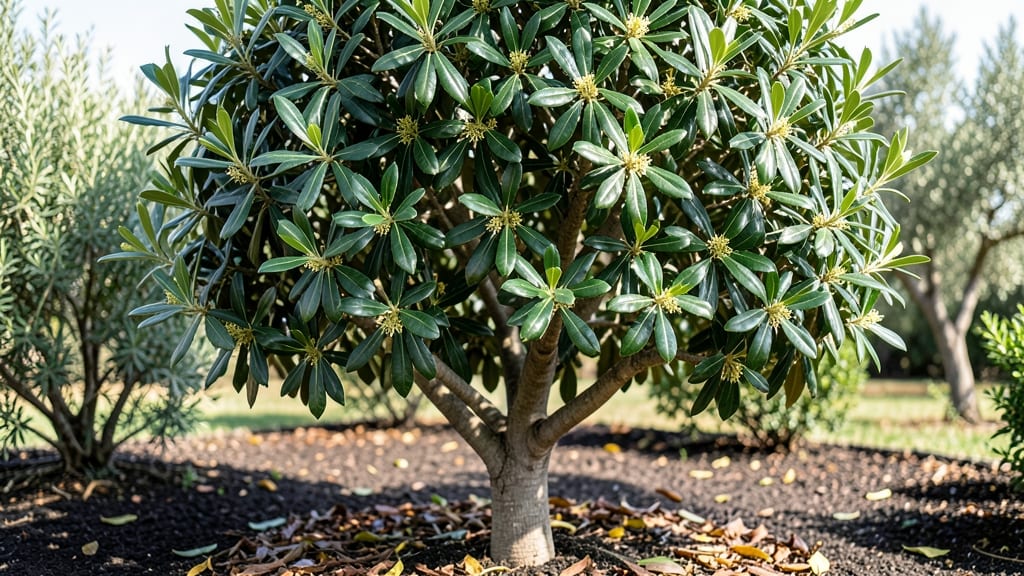
A bay leaf tree can grow anywhere from 10 to 40 feet tall, depending on its environment and care 🌿 — but with the right approach, you can keep it compact for small gardens or pots.
If you’ve ever dreamed of growing fragrant bay leaves but worry about your small garden space, understanding the bay leaf tree’s natural growth habits—and how to control them—is essential.
This evergreen staple can become an unruly giant if left unchecked, but with the right techniques, you can enjoy its culinary and ornamental benefits without sacrificing your yard’s layout.
Outdoors, bay leaf trees thrive in full sun and can reach towering heights, while indoors, they stay smaller but still need proper pruning to prevent legginess.
The key to managing its size lies in pruning, container choices, and even selecting dwarf varieties—all of which I’ll break down to help you grow a bay leaf tree that fits your space.
Whether you’re aiming for a 6-foot indoor specimen or a 12-foot outdoor shrub, this guide will show you how to control its height while keeping those aromatic leaves coming year-round.


Natural height range of bay leaf trees: what to expect indoors vs. outdoors
The bay leaf tree (Laurus nobilis) is a stunning evergreen that can reach impressive heights when grown outdoors, but its size varies dramatically between indoor and outdoor environments.
In their native Mediterranean climate, these trees thrive as 10–20 ft tall outdoor specimens, but indoors, they typically stay between 6–12 ft tall with proper care. Understanding these differences—and how to control growth—helps you plan your garden or indoor space effectively.
Outdoor bay leaf trees grow aggressively in warm, USDA Zones 8–11, where they develop their classic tall, columnar shape. However, cooler climates or container growth will stunt their height significantly.
The key factors influencing size are sunlight exposure, pruning habits, and container size (if grown in pots). For example, a tree in full sun outdoors may reach 20+ ft in 10 years, while one in a 15-gallon pot indoors will rarely exceed 8 ft.
| Growth Environment | Mature Height Range | Key Influencing Factors | Ideal Climate Zones |
|---|---|---|---|
| Outdoors (Ground-Planted) | 10–20 ft (3–6 m) | Full sun, well-draining soil, minimal pruning | USDA Zones 8–11 |
| Outdoors (Container-Grown) | 6–12 ft (1.8–3.6 m) | 20+ gallon pot, regular pruning, partial shade | Zones 7–10 (winter protection) |
| Indoors (Potted) | 4–8 ft (1.2–2.4 m) | South-facing window, 15+ gallon pot, frequent pruning | All zones (year-round) |
| Dwarf Varieties | 3–6 ft (0.9–1.8 m) | Genetic compact growth, small pots, heavy pruning | All zones (ideal for containers) |
If you live in cooler climates (Zones 6–7), your outdoor bay leaf tree will grow more slowly and may only reach 8–12 ft tall unless you provide winter protection.
In these regions, planting near a south-facing wall or using mulch blankets in winter can extend the growing season and encourage taller growth.
For indoor trees, light levels are the most critical factor—without 6+ hours of direct sunlight daily, your tree will grow leggy and stay under 6 ft tall.
Pruning plays a massive role in controlling height. Regular tip-pruning (cutting back the top 2–3 inches of new growth) encourages bushier, wider growth rather than a tall, spindly tree. I recommend pruning in late spring or early summer to avoid stressing the plant.
For outdoor trees, annual pruning can keep heights manageable, while indoor trees may need quarterly pruning to prevent them from outgrowing their space.
Container size directly impacts height—smaller pots restrict root growth, which in turn limits how tall your bay leaf tree can become. A 15-gallon pot will keep a mature tree under 6 ft tall, while a 30-gallon pot allows for 8–10 ft of growth.
If you’re growing a bay leaf tree indoors, choose a pot that’s at least 12 inches wider than the tree’s current canopy to avoid root-bound stress, which can stunt growth or even kill the plant.
Regional climate also affects height—bay leaf trees in humid climates (e.g., Florida, Hawaii) grow faster and taller due to year-round warmth, while those in dry climates (e.g., Arizona, California) may grow more slowly without consistent moisture.
In arid regions, mulching and deep watering 2–3 times per week during the first year can help your tree reach its full potential height faster. For indoor trees, a humidifier or pebble tray can mimic these conditions if your home has dry air.
One common mistake is assuming that dwarf varieties will stay small forever. Even ‘Tiny Tower’ bay leaf trees (a popular dwarf variety) can reach 6–8 ft tall if not pruned regularly. To keep them under 4 ft tall, prune back one-third of the new growth every 3–4 months.
For standard varieties, annual pruning in late winter (just before new growth starts) helps maintain a compact, manageable shape while still allowing you to harvest leaves for cooking.
For gardeners in small spaces or urban areas, growing bay leaf trees in large containers outdoors is a great
5 Pruning techniques to control bay leaf tree height in small spaces
Bay leaf trees (Laurus nobilis) can grow up to 20 feet tall outdoors if left unpruned, making them challenging for small gardens or containers.
The key to maintaining a manageable height lies in strategic pruning—done correctly, you can shape your tree into a compact, bushy shrub while ensuring healthy leaf production. I’ve used these techniques to keep my 6-foot-tall bay tree thriving in a courtyard garden for over five years.
Pruning isn’t just about cutting branches—it’s about understanding how your tree grows. Bay leaf trees grow best with light pruning year-round, but heavy shaping should happen in late winter or early spring before new growth begins.
Avoid pruning in fall, as it can stimulate tender new growth that won’t survive winter frosts. Let me walk you through the five most effective methods I’ve tested.
Trim new growth tips by ⅓ to encourage bushier growth and prevent vertical stretching. Ideal for indoor bay trees or young plants.
Cut back to a leaf node on overly long branches to redirect energy to lateral growth. Use for height control in mature trees.
Remove 1-2 oldest branches annually to improve airflow and maintain a balanced canopy. Focus on branches thicker than ½ inch.
Cut older wood back hard (up to ⅓ of branch length) to stimulate new growth from the base. Best for rejuvenating leggy trees.
Prune roots and branches when repotting to prevent root-bound stress. Trim roots by 10-20% and branches by ⅓ during spring repotting.
Start with tip pruning if your bay tree is stretching toward the light—this is my go-to for indoor plants. For outdoor trees, combine heading back with structural pruning every 2-3 years to maintain a natural shape while controlling height.
I’ve found that using sharp, sterilized pruners (like Felco F-2) reduces the risk of disease and ensures clean cuts that heal faster.
Avoid these common mistakes: pruning too late in the season (after August) can leave your tree vulnerable to frost damage, and over-pruning (removing more than ⅓ of foliage at once) weakens the plant.
Instead, I prune my bay tree in three light sessions throughout spring and summer, focusing on shaping rather than drastic reductions. This approach keeps my 6-foot tree lush without sacrificing leaf production.
To encourage even more bushiness, I fertilize lightly after pruning with a balanced 10-10-10 fertilizer to support new growth. Water deeply after pruning to help the tree recover, especially if you’ve cut larger branches.
With consistent care, you can keep your bay leaf tree at a manageable height while enjoying its aromatic leaves year-round.
Remember, bay leaf trees respond well to gentle pruning—think of it as gardening with patience. Over time, you’ll develop an eye for balancing form and function, ensuring your tree stays healthy and compact. Happy pruning! ✂️🌿