
How To
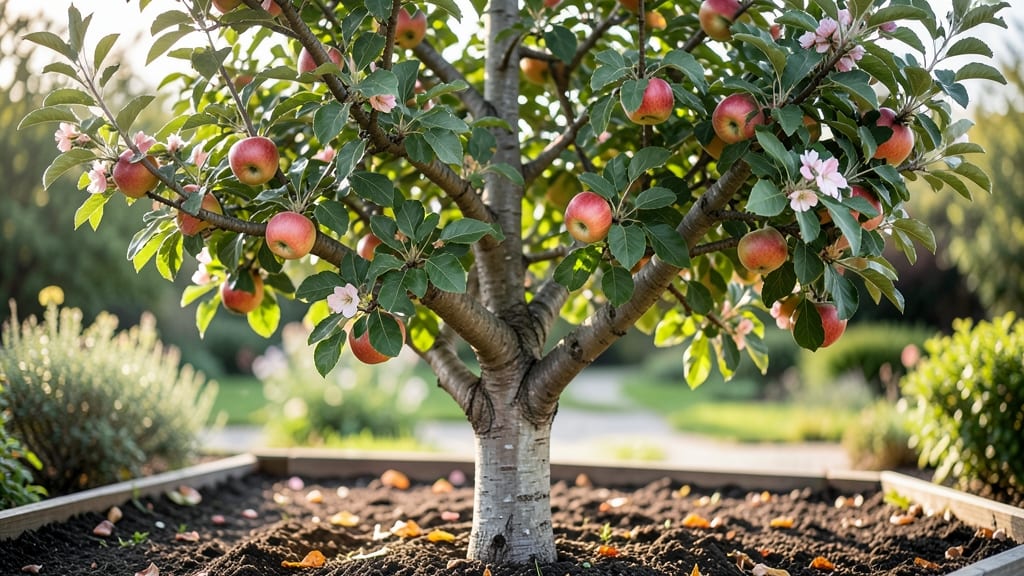
A Fuji apple tree how tall does a Fuji apple tree grow? It typically reaches heights between 6 and 25 feet, depending on whether you choose a dwarf, semi-dwarf, or standard variety.
If you're dreaming of growing Fuji apples but limited by space, understanding the height variations of this popular variety could change everything—from backyard orchards to container gardening.
Standard Fuji trees can reach towering heights of 15 to 25 feet, making them ideal for rural properties with plenty of room, while dwarf varieties stay compact at 6 to 12 feet, perfect for small yards or even large pots.
Below, I’ll break down how to pick the right size for your space, what affects growth, and how to keep your Fuji apple tree healthy and productive—no matter how tall it gets.


Fuji apple tree height by variety: dwarf, semi-dwarf, and standard sizes compared
Choosing the right Fuji apple tree size is crucial for both space planning and long-term care. Whether you're working with a small urban garden or a spacious rural yard, understanding the mature height of each variety helps you select the perfect fit for your needs.
Fuji apple trees come in three primary sizes—dwarf, semi-dwarf, and standard—each with distinct growth patterns and space requirements.
The Fuji apple tree is one of the most popular varieties for home growers, thanks to its sweet-tart flavor and reliable productivity. However, its mature height can vary dramatically depending on the rootstock used during propagation.
Dwarf varieties stay compact, making them ideal for containers or tight spaces, while standard trees can tower over your backyard, requiring more room and maintenance.
A dwarf Fuji apple tree typically reaches maturity between 6 to 12 feet tall, making it perfect for balconies, patios, or small gardens. These trees grow on specialized rootstock like M.9 or B.9, which restrict their height while promoting early fruiting.
With proper pruning, you can even keep them under 6 feet for container growing.
For those with a bit more space, a semi-dwarf Fuji offers a balance, growing to 12 to 16 feet tall on rootstock like MM.106 or MM.111. These trees are ideal for backyard orchards, as they produce abundant fruit without requiring the extensive care of a standard tree.
They also benefit from easier harvesting and pruning due to their manageable height.
If you have ample space, a standard Fuji apple tree can grow an impressive 16 to 25 feet tall, often reaching heights comparable to a two-story house. These trees thrive on seedling rootstock or M.7 and require more room to spread their roots and branches.
While they demand greater space and maintenance, they can produce the largest harvests and are perfect for rural settings or dedicated orchards.
One key factor influencing height is the rootstock used during propagation. Dwarf rootstock restricts nutrient and water flow to the top, keeping the tree small, while standard rootstock allows unrestricted growth.
Always check the rootstock type when purchasing a Fuji apple tree, as this determines both its mature height and overall vigor.
When planning your garden layout, account for the tree's canopy spread, which is often 50% to 75% of its height. A 12-foot semi-dwarf tree, for example, may spread 8 to 10 feet wide, requiring careful spacing to avoid overcrowding.
Proper spacing ensures good airflow, reducing the risk of fungal diseases like apple scab or powdery mildew.
For container growing, opt for a dwarf Fuji in a 15-gallon pot or larger, ensuring it has drainage holes to prevent root rot. Place the container in a sunny spot and prune regularly to maintain its compact shape.
With the right care, even a small-space grower can enjoy homegrown Fuji apples without sacrificing flavor or yield.
Regardless of the variety, all Fuji apple trees benefit from annual pruning to control height, improve fruit production, and maintain tree health. In early spring, remove any dead or crossing branches, and thin out excess growth to encourage larger, healthier fruit.
Regular pruning also makes harvesting easier, especially for taller varieties.
🍎
How to choose the right Fuji apple tree height for your garden space
Choosing the right Fuji apple tree height can make all the difference between a thriving orchard and a cramped, difficult-to-maintain plant. With standard varieties reaching 15-25 feet, even a small backyard might feel too crowded.
But don't worry—dwarf and semi-dwarf options offer perfect solutions for urban gardens, patios, or containers. The key is matching your tree's mature size to your available space and maintenance comfort level.
For urban gardeners with limited room, a dwarf Fuji apple tree (6-12 feet) is often the best choice. These compact trees fit neatly into small yards, large containers, or even espaliered against fences.
Meanwhile, rural gardeners with ample space might prefer semi-dwarf (12-18 feet) or standard (15-25 feet) varieties for better wind resistance and higher yields. Let's explore how to pick the perfect height for your unique garden setup.
Pros:
- Fits small spaces
- Easier harvesting
- Lower maintenance
- Great for containers
Cons:
- Lower yields
- Needs staking
- Shorter lifespan
Pros:
- Balanced size
- Higher fruit production
- Better wind resistance
Cons:
- Needs more space
- Requires regular pruning
- Harder to harvest
Pros:
- Highest yields
- Long lifespan
- Strong structure
Cons:
- Needs large space
- Hard to maintain
- Requires ladders
When selecting your Fuji apple tree, consider your garden layout. For example, a dwarf variety in a large container works beautifully on patios or balconies, while a semi-dwarf tree planted near a fence or trellis maximizes small yard space.
In rural settings, standard trees thrive with room to spread their branches naturally. Always leave at least 8-10 feet of clearance around the trunk for airflow and easy access.
Climate also plays a role in your decision. In windy areas, taller trees may need staking or windbreaks, while in urban heat islands, dwarf varieties benefit from cooler microclimates. I've found that semi-dwarf trees strike the perfect balance in most climates, offering good fruit production without overwhelming maintenance.
They also adapt well to espalier training, making them versatile for various garden styles.
Don't forget about maintenance preferences. If you prefer low-maintenance gardening, dwarf trees require less pruning and are easier to harvest. However, if you enjoy hands-on care and have the space, standard trees offer unmatched rewards.
I recommend testing soil drainage before planting—Fuji trees hate soggy roots. Amend heavy clay with compost to ensure proper root development, especially for container-grown dwarf varieties.
For urban gardeners, consider pollination needs. Plant at least two different Fuji varieties (or one Fuji and one compatible pollinator) within 50 feet for successful fruit set. In small spaces, you might need to hand-pollinate using a small brush.
Remember, even dwarf trees produce hundreds of apples—plan storage space accordingly! With the right height choice, you'll enjoy fresh Fuji apples for years to come.