
How To
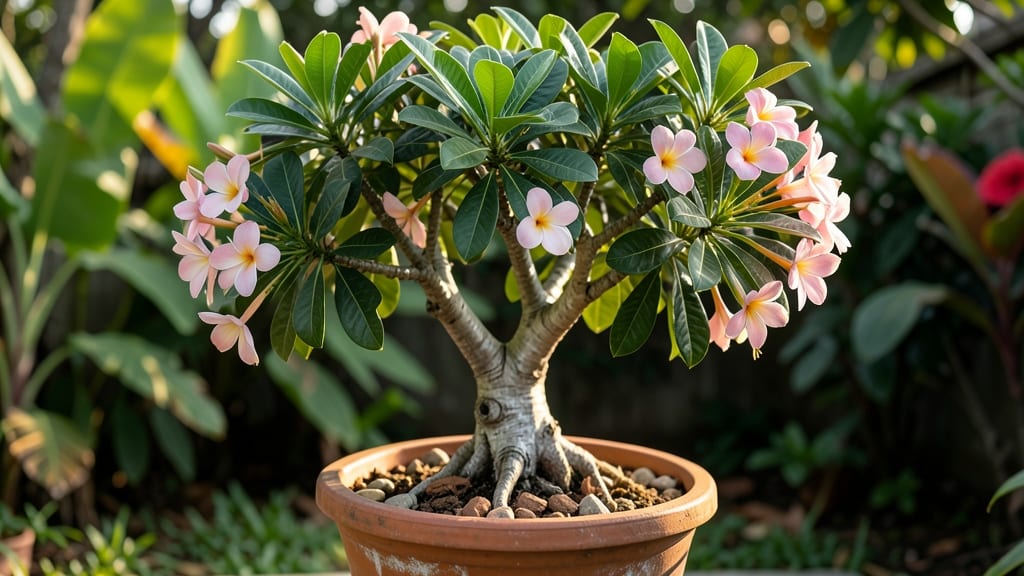
A plumeria tree grows between 6 and 25 feet tall, depending on the variety and growing conditions—so whether you’re planning a 6-foot bush or a towering 25-foot specimen, your climate is the key factor.
If you’re dreaming of fragrant plumeria trees in your garden but wondering whether they’ll tower over your home or stay manageably small, the answer depends entirely on your climate—and we’ll break it down by zone.
In USDA zones 10-12, where these tropical beauties thrive year-round, standard varieties can reach 20-25 feet if left unpruned, while dwarf types top out around 3-6 feet. Outside those zones, container growing is your best bet, but even then, height is influenced by sunlight, pruning, and seasonal care.
Below, I’ll show you how to control your plumeria’s height—whether you want a compact accent plant or a showstopping centerpiece—plus the pruning tricks that keep it in check.


Plumeria tree height by USDA hardiness zones: what to expect in each region
If you’re dreaming of fragrant plumeria trees in your garden but wondering whether they’ll tower over your home or stay manageably small, the answer depends entirely on your USDA hardiness zone.
In tropical zones 10-12, plumeria thrives year-round, reaching its full potential height, while in cooler zones 9 and below, they’re often grown as container plants or annuals—limiting their ultimate size. Let’s explore the height ranges you can expect in each region.
The plumeria tree’s mature height varies dramatically based on climate. In their native tropical habitats, standard varieties can soar up to 25 feet tall, while dwarf varieties may stay between 3-6 feet.
Your zone—and how you grow them—will determine whether you’re dealing with a towering specimen or a compact container plant. Let’s break down the specifics by region.
| USDA Zone | Growing Conditions | Standard Variety Height | Dwarf Variety Height | Growth Notes |
|---|---|---|---|---|
| Zones 10-12 | Year-round outdoor growth; frost-free | 12-25 feet (tallest in ideal conditions) | 3-6 feet (compact, bushy forms) | Fast growth in warm climates; prune to control height |
| Zone 9 | Outdoor in summer; container-grown or mulched in winter | 8-15 feet (slower growth than zones 10-12) | 3-5 feet (best for small gardens) | May lose leaves in winter; protect roots from cold |
| Zones 8 & Below | Container plants only; brought indoors in winter | 3-8 feet (height limited by pot size) | 2-4 feet (ideal for patios) | Growth slows in cooler months; prune heavily in spring |
In zones 10-12, plumeria trees grow aggressively when given full sun and well-draining soil.
A standard variety in Florida or Hawaii can easily reach 20 feet or more within 5-7 years, while a dwarf variety like ‘Singapore’ stays between 3-6 feet, making it perfect for small gardens or as a hedge.
The key to controlling height in these zones is regular pruning—cutting back in late winter encourages bushier growth and prevents overgrowth.
For gardeners in zone 9, plumeria trees still have the potential to grow tall, but their height is often 10-15 feet due to seasonal slowdowns. In areas like Southern California or Texas, you can plant them in-ground, but they’ll need protection during rare cold snaps.
If you’re in zone 8 or colder, container growing is a must—these trees will rarely exceed 8 feet unless given ideal indoor lighting and warmth year-round.
One common misconception is that plumeria trees grow slowly in containers, but with the right care, they can thrive even in pots. In zone 7 or below, many gardeners treat plumeria as annuals, planting fresh cuttings each spring and enjoying their blooms until the first frost.
However, with proper winter care—like moving containers indoors or using grow lights—you can keep them alive for years and watch them grow incrementally each season.
If you’re planning to grow plumeria in a small garden or patio, choose dwarf varieties like ‘Ice Cream’ or ‘Red Butterflies,’ which top out at 4-5 feet. These varieties are bred to stay compact while still producing abundant fragrant blooms.
For larger spaces, standard varieties like ‘Hawaiian Snow’ can create a stunning tropical focal point, but be prepared for their rapid vertical growth—they can add 2-3 feet per year in ideal conditions.
Another factor affecting height is pruning frequency. Heavy pruning in late winter or early spring encourages bushier growth and can reduce a standard plumeria’s height by 30-50%.
For example, if you prune a 15-foot tree back by half, it may stay around 7-8 feet while producing even more blooms. This technique is especially useful for gardeners in zones 9-11 who want to keep their plumeria manageable.
Real-world examples show just how adaptable plumeria can be. In Miami (zone 11), a 20-foot plumeria is common in residential yards, while in Phoenix (zone 9b), many homeowners grow theirs in large containers, keeping them around 10 feet tall.
Even in Chicago (zone 5), plumeria enthusiasts grow them in greenhouses or sunrooms, where they reach 5-6 feet over several years. The takeaway? With the right approach, you can grow plumeria almost anywhere—you just need to adjust your expectations for height.
For those in cooler climates, container growing is the secret to success. A 5-gallon pot will limit a plumeria’s height to 3-4 feet, while a 15-gallon container can accommodate a 6-8 foot tree.
Just ensure the pot has drainage holes and use a well-draining cactus or succulent mix to prevent root rot. In zones 9 and below, overwintering indoors with bright light and moderate watering will keep your plumeria alive and ready to burst into bloom each spring.
Whether you’re in a tropical paradise or a temperate climate, understanding your USDA zone and growing conditions will help you set realistic height expectations for your plumeria.
With the right variety, care, and pruning, you can enjoy these fragrant beauties at any size—from a compact patio plant to a towering tropical giant. 🌺
How climate affects plumeria growth: heat, humidity, and sunlight secrets
Your plumeria tree’s height isn’t just luck—it’s a direct result of your local climate. In tropical zones like Florida or Hawaii, plumeria trees thrive year-round, often reaching 15-25 feet with proper care.
Meanwhile, in cooler zones (like zones 8-9), they’re typically grown as container plants and max out at 6-10 feet unless overwintered indoors. The difference? Heat, humidity, and sunlight play starring roles in shaping your tree’s growth trajectory.
Let’s start with the sunlight factor. Plumeria trees are sun worshippers, craving 6+ hours of direct sunlight daily. Without enough light, they’ll grow taller but leggy, stretching toward the sun like a teenager reaching for dessert.
In low-light conditions, expect slower growth and fewer blooms—your tree might only hit 3-5 feet in a year instead of the 10+ feet it could reach in full sun.
Now, let’s talk heat and humidity. Plumeria trees love the heat, thriving in temperatures above 70°F. In hot, humid climates (like Miami or Puerto Rico), they grow faster and taller, sometimes shooting up 2-3 feet per year.
But in dry heat (like Arizona or California), growth slows unless you water deeply and consistently. Humidity also matters—high humidity encourages lush foliage and vibrant blooms, while low humidity can lead to stunted growth and crispy leaf edges.
🌺 Key Takeaway: Plumeria Height by Climate
Heat: Above 70°F = ideal growth
Humidity: High = lush foliage, low = stunted growth
Want to control your plumeria’s height? Start by monitoring sunlight exposure. If your tree is over 6 feet and you’re in a small garden, consider pruning back the tallest branches in early spring to encourage bushier growth.
In container gardens, choose dwarf varieties like ‘Singapore’ or ‘Hawaiian Snow,’ which typically stay between 3-6 feet even with optimal care.
Humidity is another game-changer. If you live in a dry climate, mimic tropical conditions by misting leaves daily or placing a humidifier nearby. This trick can boost growth by 30% and encourage more frequent blooming.
Conversely, in high-humidity zones, ensure proper airflow to prevent fungal issues like powdery mildew, which can stunt growth and weaken your tree.
Finally, temperature swings can drastically alter growth. Plumeria trees hate cold—even a single night below 50°F can shock them into dormancy or death. In cooler zones, protect your tree by bringing containers indoors before the first frost or covering it with frost cloth.
With the right climate adjustments, you can coax even container-grown plumeria to reach 10 feet in just a few years—without it becoming a 25-foot monster in your backyard.