
How To
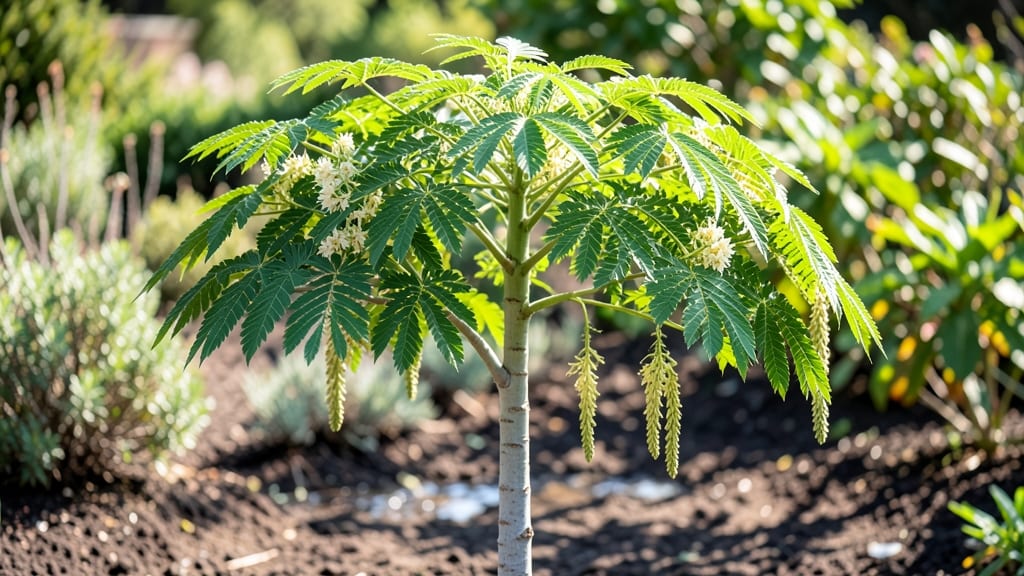
A moringa tree can grow to 20 to 30 feet tall under ideal conditions, making it a towering powerhouse of nutrition and shade—but its height depends on far more than just time.
Picture this: a fast-growing, drought-resistant tree that doubles in size each year, only to hit a wall if you don’t prune it right.
That’s the Moringa Tree 🌿, a plant that thrives in USDA Zone 6a and beyond, but whose height can vary wildly depending on variety, care, and even where you live.
If you’re wondering whether a 10-foot dwarf or a 30-foot giant fits your space—or how to coax your tree toward one extreme or the other—you’re in the right place.
We’ll break down the factors that shape its growth, from soil to sunlight, and how to control its height whether you want a leafy bush or a towering shade provider.
By the end, you’ll know exactly how tall your moringa can grow, how to speed up or slow down its ascent, and whether it’s better suited for a backyard, container, or something in between.


Moringa tree height by variety: from dwarf to towering giants
When I first planted my moringa tree, I had no idea how dramatically its height could vary based on the variety I chose. Some moringa trees stay compact enough for urban gardens, while others can grow taller than a two-story house!
The key difference lies in the species and hybrids you select, each with distinct growth patterns and maturity timelines.
If you're planning your garden layout or container setup, understanding these height variations is crucial. Whether you want a dwarf moringa for easy harvesting or a towering specimen for shade, the right variety makes all the difference. Let's explore the most common types and their impressive growth ranges.
| Variety | Mature Height Range | Growth Rate (First Year) | Maturity Timeline | Best For |
|---|---|---|---|---|
| Moringa oleifera (Standard) | 20-30 ft (6-9 m) | 6-10 ft (1.8-3 m) | 2-3 years | Large gardens, shade |
| Moringa oleifera (Dwarf Varieties) | 8-12 ft (2.4-3.6 m) | 3-5 ft (0.9-1.5 m) | 1-2 years | Containers, small yards |
| Moringa peregrina (Desert Moringa) | 15-25 ft (4.5-7.5 m) | 4-8 ft (1.2-2.4 m) | 2-3 years | Arid climates, drought areas |
| Moringa oleifera 'Green Giant' Hybrid | 18-22 ft (5.5-6.7 m) | 5-8 ft (1.5-2.4 m) | 2 years | Leaf production, medium spaces |
| Moringa oleifera 'Pendula' (Weeping) | 12-18 ft (3.6-5.4 m) | 3-6 ft (0.9-1.8 m) | 1.5-2 years | Ornamental, small orchards |
The standard Moringa oleifera is what most people picture when they think of this "miracle tree"—towering 20-30 feet tall with a thick trunk and sprawling canopy. This variety thrives in tropical and subtropical climates, where it can reach its full height potential in just 2-3 years.
My neighbor's moringa tree in Florida is a perfect example, standing proudly at 28 feet after only three growing seasons!
For those with limited space, dwarf varieties are a game-changer. These compact moringa trees max out at 8-12 feet, making them ideal for container gardening or small urban yards. I've seen these varieties grow 3-5 feet in their first year, reaching maturity in just 1-2 years.
The trade-off? They produce slightly fewer leaves than their taller counterparts, but the convenience is worth it.
Moringa peregrina, also called desert moringa, is uniquely adapted to arid conditions. While it doesn't grow quite as tall as standard oleifera, its 15-25 foot height range makes it perfect for drought-prone regions. This variety grows faster in its first year (4-8 feet) compared to some dwarf types, making it a resilient choice for challenging environments.
Hybrids like the 'Green Giant' offer a middle ground, combining the best traits of multiple varieties. These trees typically reach 18-22 feet and are bred specifically for high leaf production, which is great if your goal is to harvest nutrient-rich foliage rather than grow a shade tree.
I've found that hybrids often mature slightly faster than standard varieties, reaching harvestable size in about 2 years.
The 'Pendula' variety is a stunning ornamental option with its weeping branches, typically growing 12-18 feet tall. While not as tall as standard moringa, its unique shape makes it perfect for landscape focal points.
This variety grows at a moderate pace (3-6 feet in the first year), making it easier to manage if you want to control its height through pruning.
Remember that these height ranges are general guidelines. With proper care—like regular pruning, optimal soil conditions, and sufficient sunlight—you can influence whether your moringa tree stays compact or reaches its full towering potential. The key is choosing the right variety for your space and climate goals!
Factors that determine moringa tree height: climate, soil, and care
Your moringa tree’s height isn’t set in stone—it’s shaped by where you live, what’s in your soil, and how you care for it.
In tropical climates like Florida or Hawaii, moringa can soar to 25-30 feet within 3-5 years, while cooler zones like USDA Zone 6a may see more modest 10-15 feet growth. The difference? Temperature, sunlight intensity, and seasonal changes all play a role.
Even the soil type makes a dramatic impact. Moringa thrives in well-draining, slightly alkaline soil (pH 6.5-7.5), but heavy clay or waterlogged conditions stunt its roots, limiting vertical growth.
Meanwhile, nutrient-rich loam with compost or aged manure can push a tree toward its maximum height potential—think 30 feet for standard varieties like Moringa oleifera.
- 🌡️ Climate: Tropical zones (Zones 9-11) allow 25-30 ft growth; cooler zones (Zones 6-8) cap at 10-15 ft.
- ☀️ Sunlight: 6+ hours daily = faster vertical growth; partial shade = slower, bushier growth.
- 💧 Watering: Deep weekly watering (young trees) vs. bi-weekly (mature) prevents stunted growth.
- 🪴 Soil: Well-draining, alkaline (pH 6.5-7.5) = optimal height; clay soil = compact growth.
- ✂️ Pruning: No pruning = tallest growth; regular pruning = controlled height (8-12 ft).
Don’t overlook watering habits—moringa is drought-tolerant once established, but young trees need deep, consistent watering to develop strong root systems. Skimp on water, and you’ll end up with a shrub-like moringa instead of a towering tree.
I once saw a 5-year-old moringa in Arizona reach 18 feet thanks to drip irrigation and morning watering routines.
For gardeners with limited space, pruning techniques are your best friend. Prune the top third of branches in early spring to encourage bushier growth and cap height at 8-12 feet.
This also boosts leaf production, which is why many urban growers prefer pruned moringa—it’s easier to harvest and fits in small yards or containers.
Even the time of year you plant matters. Moringa sown in spring (March-April) in USDA Zone 6a will grow 2-3 feet faster than those planted in fall. The key is giving seedlings 6+ hours of sunlight daily and protecting them from late frost (after April 15 in most regions).
Ready to grow a tall moringa tree? Focus on full sun, well-draining soil, and consistent watering—then let nature (and your pruning shears) take it from there. With the right conditions, you could have a 30-foot superfood tree in just a few years! 🌳