
How To
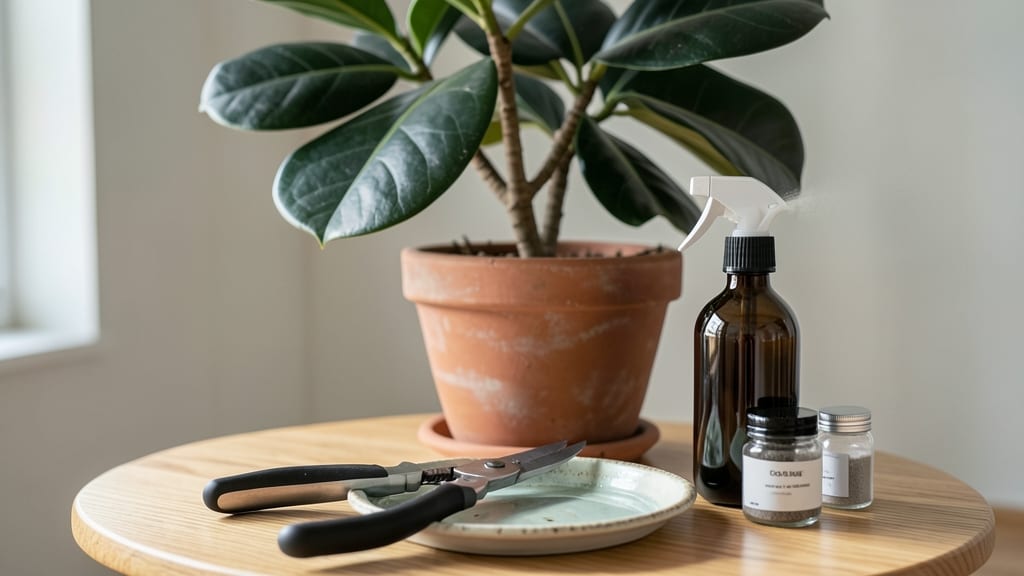
If you're struggling with how to stop your rubber tree growing too tall, you're not alone—many plant parents face the same dilemma. The secret to keeping it manageable isn't brute-force pruning but strategic cuts that encourage bushier growth without stunting the plant.
I've wrestled with this same problem, and after three failed attempts (and one very sad, lopsided tree), I finally cracked the code: timing, technique, and a little patience go a long way.
Start by gathering sharp pruning shears, rubbing alcohol for sterilizing cuts, and a small pot of well-draining soil for any cuttings you want to propagate. The best time to prune is spring or early summer when the plant is actively growing.
Cut just above a leaf node at a 45-degree angle—this encourages new branches to form. For every foot you want to reduce, make a clean cut about an inch above a leaf, and don't worry about the height loss: the tree will bounce back with fuller growth.
📚 In This Guide
- What you need
- Instructions
- Tips and common mistakes
- Wrapping up and next steps
What you need
- ● Sharp pruning shears or bypass pruners: Choose a pair with bypass blades (not anvil-type) to make clean cuts without crushing stems. Opt for 4- to 6-inch blades for medium-sized branches.
- ● Disinfectant (70% isopropyl alcohol or bleach solution): Mix 1 part bleach to 9 parts water to sterilize tools before and after pruning to prevent disease.
- ● Rubbing alcohol (70% or higher): For quick tool disinfection between cuts.
- ○ Pruning saw (optional for thick stems): A curved or straight saw with fine teeth for branches thicker than 1 inch in diameter.
- ● Glove (gardening or cut-resistant): Protects hands from sap (which can irritate skin) and sharp edges.
- ● Small container or bucket: To collect pruned cuttings for propagation or disposal.
- ○ Horticultural sealant (optional but helpful): A latex-based pruning sealant to coat large cuts and prevent sap oozing or fungal entry.
- ● Ladder or step stool: For reaching higher branches safely. Ensure it’s stable and rated for your weight.
- ● Plant food or fertilizer: A balanced liquid fertilizer (10-10-10 or 20-20-20) to give your tree a post-pruning boost.
- ● Rooting hormone (if propagating cuttings): Speeds up root growth for new plants.
- ● Newspaper or drop cloth: To protect floors or surfaces from sap drips.
- ● Sharpie or marker: For labeling cuttings if you plan to propagate them.
How to prune a rubber tree for controlled height
Here's the straightforward method I use to keep rubber trees lush and compact without sacrificing their natural beauty.
Identify the Right Time to Prune
Prune your rubber tree in early spring just as new growth begins, or in late summer after the heatwave subsides. This timing ensures you cut back before the plant puts too much energy into vertical growth. Avoid pruning during winter dormancy or extreme heat—your tree will struggle to recover and may develop weak new growth.
Look for fresh, vibrant leaves at the top of the plant as your signal. These indicate the tree is actively growing and ready to handle pruning. If you see leggy stems with sparse foliage, that's your cue to act before the problem worsens.
Prepare Your Tools and Workspace
Gather sharp pruning shears (sterilized with rubbing alcohol) and gloves to protect your hands from the tree's milky sap. A clean cloth and small container for sap cleanup are also helpful. Work in a well-ventilated area—rubber tree sap can irritate skin and eyes.
Remove any dead or yellowing leaves first. These indicate stress or disease and should be pruned away entirely. Healthy leaves help the tree recover faster from pruning. If your tree has any brown, crispy spots, trim those areas back to the nearest healthy growth.
Determine Where to Make Your Cuts
Focus on cutting back the tallest stems by about one-third of their length. Make your cuts just above a leaf node (the small bump where leaves grow out). This encourages new growth to sprout from that node, creating a bushier plant. Never cut into the main trunk—this can harm the tree's stability.
For a more dramatic height reduction, you can cut back taller stems to half their length, but avoid removing more than one-third at a time. The tree needs time to adjust and won't recover well from aggressive pruning. If you're unsure, start with smaller cuts and observe how the tree responds over a few weeks.
Make Clean, Precise Cuts
Angle your cuts slightly downward, about ¼ inch above the leaf node. This prevents water from pooling on the cut and causing rot. Use a smooth, confident motion—hesitant cuts can crush the stem and leave jagged edges, which slow down healing.
Wipe away any milky sap with your clean cloth immediately after cutting. This sap can harden and create a sticky mess, but it won’t harm the plant. If sap gets on your skin, wash it off with soap and water. After pruning, place the container under the tree to catch any sap drips for easy cleanup.
Encourage Bushier Growth After Pruning
Within 4-6 weeks, you'll see new shoots emerging from the leaf nodes where you made your cuts. These shoots will grow into full leaves, filling out the tree's shape. To promote even growth, rotate the plant a quarter turn weekly so all sides receive equal light exposure.
Keep the soil lightly moist but not soggy during this recovery period. Overwatering can stress the tree as it adjusts to new growth. If you notice any yellowing leaves after pruning, reduce watering slightly—this is often a sign of overwatering while the tree recovers.
Tips & tricks for strategic rubber tree pruning
These simple tricks will help you keep your rubber tree compact and thriving without risking damage. I've learned these through years of trial and error—don't make my mistakes!
Timing is Everything: Early spring and late summer are your best windows because the tree is already in active growth mode. I always check for those fresh, vibrant top leaves as my go-to signal. If you prune during winter dormancy, your tree might struggle to bounce back, and those new shoots could be weak or sparse. The key is catching it just as growth kicks in, not after it's already shot up.
The One-Third Rule: Never cut back more than one-third of any stem at once. I've seen people get overzealous and take too much off, which can shock the plant. Think of it like a haircut—you wouldn't shave your head in one go! Start conservatively, especially if your tree looks stressed. You can always do a second round of light pruning later if needed, but aggressive cuts will set your tree back for months.
Node Awareness: Those little leaf nodes are where all the magic happens. When you cut just above one, you're telling the tree, "Hey, grow here instead!" I always count the nodes from the base to find my cut point—usually about 3-4 nodes down from the top of the tallest stems. This creates a natural branching pattern that looks fuller. Pro tip: If you accidentally cut below a node, don't panic. The tree will still heal, but you might get a smaller leaf at that spot.
Recovery Care: After pruning, your tree needs special attention for those first 4-6 weeks. I make it a habit to rotate the plant a quarter turn weekly so all sides get equal light. And here's what nobody tells you—reduce watering slightly if you see yellowing leaves. It's often a sign of overwatering while the tree recovers, not under-watering. Think of it like giving your tree a spa treatment after its makeover.
Pro Tips for Stop Rubber Tree Growing Too Tall
- These simple tricks will help you keep your rubber tree compact and thriving without risking damage.
- Timing is Everything: Early spring and late summer are your best windows because the tree is already in active growth mode.
- The One-Third Rule: Never cut back more than one-third of any stem at once.
Frequently asked questions
Got questions about keeping your rubber tree at a manageable height?
You’re not alone! Here are answers to the most common concerns—from timing to techniques—so you can prune with confidence.
How often should I prune my rubber tree to control its height?
Prune your rubber tree once or twice a year during its active growing season (spring or early summer). Avoid heavy pruning in fall or winter, as the plant needs time to recover. Light trimming between major sessions helps maintain shape without stressing the tree.
Can I prune a rubber tree too much?
Yes! Over-pruning—cutting back more than 25-30% of the foliage at once—can weaken the tree, reduce growth, or even cause dieback. Stick to selective, strategic cuts and avoid stripping branches bare. If you’ve already overdone it, focus on recovery care (water, humidity, and patience).
Will pruning stunt my rubber tree’s growth permanently?
No, pruning won’t permanently stunt growth, but it encourages bushier, slower growth by redirecting energy to lateral branches. If you stop pruning, the tree may revert to its natural tall, leggy habit. Think of it as training—consistency is key!
What if my rubber tree keeps growing tall after pruning?
If your tree rebounds quickly, you may need to prune more aggressively (but never more than 1/3 of the canopy at a time) or use growth regulators like diluted hormone sprays (follow product guidelines). Also, check for light exposure—too much sun can spur rapid vertical growth.
Are there alternatives to pruning for controlling height?
Yes! Try these low-maintenance options:
- Topping: Cut the main stem just above a leaf node to encourage multiple stems (like a bush).
- Slow-release fertilizer: Use a balanced, low-nitrogen formula to reduce vigorous growth.
- Repotting: If root-bound, repot into a slightly larger container to limit upward growth.
- Natural barriers: Place the tree near a wall or tall furniture to discourage upward stretching.
Wrapping up and next steps
Stopping your rubber tree from towering over your space is totally doable with the right pruning techniques! By following these steps—timing your cuts, sharpening your tools, and mastering the art of pinching or heading back—you’ll encourage a fuller, more manageable plant.
Remember, consistency is key, and your tree will thank you with lush, compact growth.
Now that you’re armed with knowledge, grab those shears and get pruning! 🌿✂️ Start with a small trim, observe how your tree responds, and adjust as needed. Happy gardening!