
How To
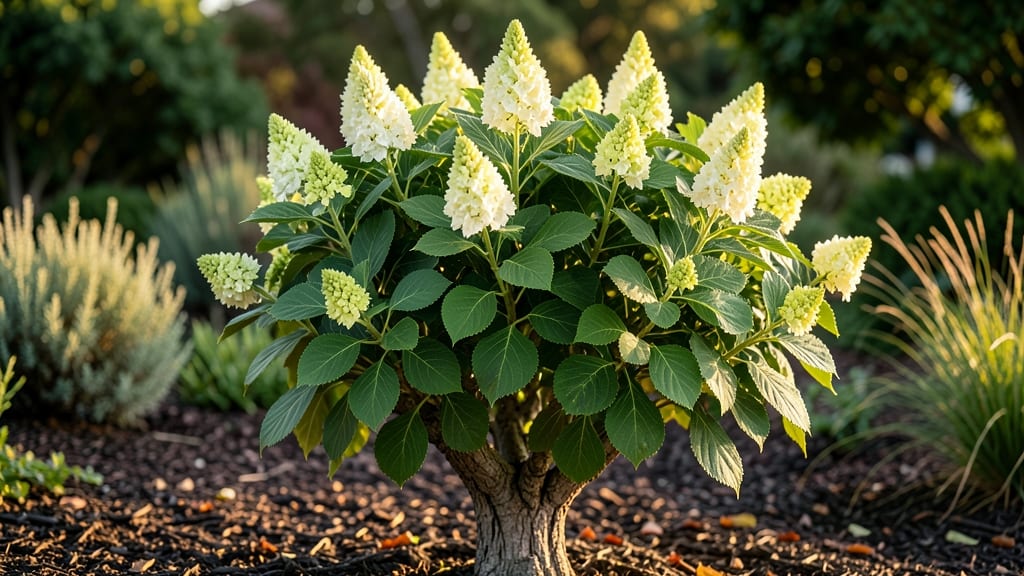
A hydrangea tree grows anywhere from 3 feet to over 12 feet tall, depending on the variety and how you care for it.
If you're dreaming of a lush, shade-providing hydrangea tree but struggling to visualize its mature size, you’re not alone—many gardeners overlook how dramatically varieties differ in height.
From dwarf shrubs like Little Lime to towering Hydrangea paniculata varieties, choosing the right type could mean the difference between a charming garden focal point and an unruly mess.
Sunlight, pruning, and soil conditions all play a role in how tall your hydrangea tree becomes. A well-pruned tree can stay compact, while one left unchecked may sprawl beyond its intended space.
For example, Oakleaf hydrangeas naturally reach 6-8 feet, while some paniculata varieties can soar to 12 feet or more.
Below, I’ll break down the height ranges by variety, share pruning tips to control growth, and recommend the best types for small yards versus larger landscapes—so you can pick the perfect hydrangea tree for your space.


Hydrangea tree height by variety: from dwarf to giant
Choosing a hydrangea tree for your landscape starts with understanding its mature height. Some varieties stay compact, perfect for small gardens, while others grow into towering small trees that provide stunning shade. The key is matching your space and vision to the right hydrangea species and cultivar.
For example, Hydrangea paniculata often reaches 8-12 feet, while Hydrangea arborescens varieties typically max out at 3-5 feet.
Even within the same species, growth habits vary widely. Fast-growing types like Limelight can add 2-3 feet per year, while slower growers like Annabelle take 3-4 years to reach half their mature height.
Your USDA hardiness zone and soil conditions also play a role—rich, moist soil often accelerates growth, while poor drainage can stunt it.
| Variety | Species | Mature Height | Growth Rate | Best For |
|---|---|---|---|---|
| Little Lime | H. paniculata | 3-5 ft | Moderate | Containers, small yards |
| Annabelle | H. arborescens | 3-5 ft | Slow | Foundation plantings |
| Limelight | H. paniculata | 6-8 ft | Fast | Privacy screens |
| Oakleaf | H. quercifolia | 6-10 ft | Moderate | Shade trees |
| Grandiflora | H. macrophylla | 4-6 ft | Slow | Cut flowers, borders |
| Firelight | H. paniculata | 8-12 ft | Fast | Large landscapes |
If you're working with limited space, dwarf hydrangeas like Little Lime or Endless Summer are game-changers. These stay under 5 feet tall and thrive in containers, making them ideal for patios or balconies.
For a dramatic focal point, tall varieties like Firelight or Grandiflora create stunning vertical interest, especially when planted near walkways or entryways.
One common mistake is assuming all hydrangeas grow at the same rate. Hydrangea arborescens, for example, grows about 12 inches per year, while Hydrangea paniculata can shoot up 2-3 feet annually under ideal conditions.
Always check the cultivar's growth rate before planting—this determines how quickly your tree will fill out and provide the shade or privacy you want.
Sunlight exposure also affects height. Full sun varieties like Limelight grow taller and more upright, while shade-tolerant types like Oakleaf may stay bushier but shorter. In my own garden, I planted a Little Lime in partial shade and watched it grow 30% slower than identical plants in full sun.
This is why I always recommend testing your site
How to control hydrangea tree growth: pruning and care tips
Controlling your hydrangea tree height starts with understanding its natural growth patterns. Most varieties reach 6 to 12 feet at maturity, but with strategic pruning and care, you can shape them to fit your space.
The key is timing—prune at the right season to encourage bushier growth or keep them compact without stunting their potential.
Before grabbing your pruning shears, know that Hydrangea paniculata (like 'Limelight') grows faster than H. arborescens (like 'Annabelle'). The former can shoot up 3 feet per year if unchecked, while the latter stays more restrained. Your goal? Balance height control with vibrant blooms.
⚠️ Warning: Common Pruning Mistakes That Stunt Growth
Pruning at the wrong time or cutting too aggressively can shock your hydrangea, leading to sparse blooms or stunted growth. Never prune in late fall—this removes next year's flower buds. For H. paniculata, prune in late winter to shape, but leave H. arborescens blooms until after they fade to preserve next season's flowers.
Over-trimming can also reduce flower production. Aim to remove only 1/3 of the plant's height per year, focusing on dead or crossing branches first. Use sharp, clean tools to prevent disease spread.
For height control, prune in late winter or early spring before new growth begins. Cut back 1/3 of the tallest stems to the first set of buds or leaves.
This encourages branching lower on the stem, creating a fuller, more compact shape. Avoid "heading back" (cutting mid-stem)—this often leads to leggy, sparse growth.
Soil and sunlight play equally critical roles. Hydrangeas thrive in well-draining, acidic soil (pH 5.2–6.0) with morning sun and afternoon shade. Amend clay soil with compost or peat moss to improve drainage.
Overwatering or poor drainage can cause root rot, which weakens the plant and slows growth. Mulch around the base with 2–3 inches of organic mulch to retain moisture and regulate soil temperature.
Fertilize in early spring with a balanced 10-10-10 fertilizer to support new growth. Avoid high-nitrogen fertilizers, which promote leafy growth at the expense of flowers. Instead, use a low-nitrogen, high-phosphorus formula (like 5-10-10) to boost blooming. Stop fertilizing by mid-summer to allow the plant to harden off for winter.
Monitor your hydrangea tree throughout the growing season. If you notice yellowing leaves, it may need more iron or zinc. Brown edges could signal underwatering or salt buildup from tap water. Adjust care accordingly—hydrangeas are forgiving but respond best to consistent conditions.
With the right balance of pruning, soil care, and seasonal adjustments, you’ll keep your hydrangea tree thriving at your desired height.