
Trees
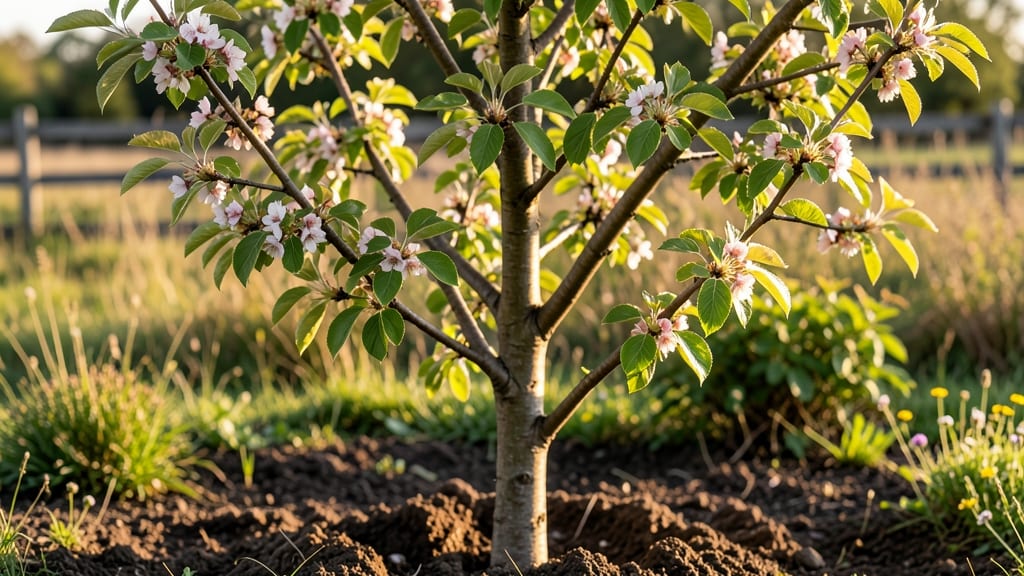
Identifying plum tree leaves can feel like solving a botanical puzzle—but I’ll show you the 3 key clues that make them unmistakable. 🌿 Start by checking the leaf edges: plums have finely serrated teeth (like tiny saw blades), while cherries and peaches stay smooth.
Then flip the leaf—plum undersides are fuzzy or downy, a dead giveaway for varieties like Santa Rosa or Methley.
The shape is another dead ringer: plum leaves are oval with pointed tips, often 2-4 inches long, and arranged alternately along the stem. Japanese plums (Prunus salicina) tend to have shorter, broader leaves, while European plums (Prunus domestica) lean toward longer, narrower shapes.
Run your fingers along the midrib—plum veins are prominent but not winged (unlike some cherries).
Once you’ve nailed those basics, you’ll spot abnormalities fast: yellowing edges often signal iron deficiency, while black spots could mean fungal issues. Compare your find to a healthy reference—plum leaves should be deep green on top, never mottled or curled.
Pro tip: Snap a photo and compare it to your phone’s plum leaf database for a second opinion.
This visual guide works for backyard trees, orchards, or even street-side varieties. Next time you’re stumped, grab a magnifying glass and check those serrated edges and fuzzy undersides—the plum tree’s secret handshake. If you’re still unsure, share your photo in the comments for a quick ID.
Understanding Leaf Stress Signals
Plum tree leaves don’t just change—they communicate. When their appearance shifts from lush green to something less ideal, it’s often a cry for help. Below, we break down the why behind the most common leaf issues, using science-backed explanations to help you diagnose the problem like a pro.
Plum trees are resilient, but extreme conditions can push them past their limits. Heat stress occurs when temperatures soar above 90°F (32°C), causing leaves to curl, scorch, or develop brown edges.
This happens because high heat disrupts the tree’s stomatal regulation—tiny pores on leaves that control water and gas exchange. When the air is too dry, the stomata struggle to retain moisture, leading to desiccation (drying out) and crispy leaf margins.
- Cold damage (below 28°F / -2°C) triggers freeze injury, where ice crystals form in leaf cells, rupturing their membranes.
You’ll spot blackened or silvery-gray patches on younger leaves, as they’re more vulnerable than mature foliage. - Wind burn strips leaves of their protective waxy cuticle, leaving bleached or torn edges. This is common in exposed orchards or after storms.
Actionable fix: 💡 Mulch heavily in summer to insulate roots, use shade cloth during heatwaves, and prune to reduce wind exposure. For cold snaps, wrap young trees in burlap or use anti-desiccant sprays.
Plum trees are a buffet for pests and pathogens, each leaving a distinct signature on leaves. Here’s how they strike:
| Culprit | Leaf Symptoms | Why It Happens |
|---|---|---|
| Plum Curculio | Notched edges, chewed holes | The beetle’s serrated mouthparts tear tissue while laying eggs in fruit buds. |
| Japanese Beetles | Skeletons (veins remain) | Larvae chew upper leaf surfaces, while adults strip lower foliage. |
| Powdery Mildew | White, powdery coating | Fungal spores thrive in humid, stagnant air, blocking sunlight and clogging stomata. |
| Leaf Spot Fungi | Brown/yellow spots with halos | Fungi like Cercospora exploit wounds or wet leaves, releasing toxins that kill cells. |
Key trigger: Overhead watering or dense canopies create high humidity, perfect for fungal growth. Pests often target stressed trees (drought, poor soil).
Actionable fix:
- Pests: Handpick beetles (drop in soapy water 🪲), use neem oil for larvae, or introduce beneficial nematodes.
- Fungi: Prune for airflow, apply copper fungicide at first signs, and water at the base (not overhead).
Leaves don’t just yell—they whisper through color. A plum tree’s diet directly impacts its foliage:
- Yellowing between veins (chlorosis)? Likely cause: Iron or manganese deficiency (common in alkaline soils).
These micronutrients are vital for chlorophyll production, and high pH locks them out of root uptake. Fix: Apply chelated iron or sulfur to lower soil pH. Test your soil—ideal pH for plums is 6.0–6.5.
- Purple or red tinges? Likely cause: Phosphorus deficiency or excess nitrogen. Purple hues mean the tree is starving for energy (phosphorus helps convert sugars) or overfed with nitrogen, which burns roots. Fix: Use a balanced 10-10-10 fertilizer and reduce synthetic nitrogen. Compost adds phosphorus naturally.
- Small, stunted leaves? Likely cause: Zinc or nitrogen deficiency. Zinc is a growth regulator; without it, cells can’t divide properly. Nitrogen fuels leaf expansion—too little = tiny leaves. Fix: Spray zinc sulfate (follow label rates) and top-dress with well-rotted manure.
Plum trees hate guesswork. Here’s how we mess up their care:
- Overwatering: Leads to root rot (fungi like Phytophthora) and anaerobic soil, where roots suffocate. Symptoms: Yellow leaves with brown, mushy stems or moldy soil. Fix: Let soil dry 2–3 inches deep between waterings. Improve drainage with gravel or sand.
- Underwatering: Causes wilting, crispy edges, and premature leaf drop. The tree closes stomata to conserve water, but this halts photosynthesis, turning leaves dull and papery. Fix: Water deeply 1–2 times per week (more in heat). Mulch to retain moisture.
- Poor Pruning: Cutting at the wrong time (late winter) or wrong spots (too close to trunk) invites bacterial infections (e.g., Pseudomonas) and weak regrowth. Symptoms: Oozing cankers or stunted shoots. Fix: Prune in late winter/early spring (before buds swell).
Use sterilized tools and make cuts just outside the branch collar.
Plum trees despise compacted or waterlogged soil. Here’s how it backfires:
- Clay or compacted soil: Roots can’t breathe, leading to poor nutrient uptake and oxygen starvation. Leaves may show interveinal chlorosis (yellowing) or stunted growth. Fix: Amend soil with compost or gypsum to loosen texture. Aerate with a garden fork in spring.
- Waterlogging: Oxygen-deprived roots suffocate, turning leaves dark green and glossy before they drop. Fungi like Armillaria (honey mushroom) move in, causing root rot. Fix: Plant on a slope or build a raised bed. Avoid planting in low-lying areas where water pools.
Pro Tip: 🎯 Keep a leaf journal! Snap photos of symptoms, note the season, and track treatments. Patterns (e.g., "yellowing after rain") reveal the real cause faster than guesswork.
Quick Fixes for Common Plum Tree Leaf Issues
When your plum tree’s leaves start showing signs of distress, acting fast can save the tree—and your patience! Below are practical, step-by-step solutions tailored to the most common problems, from fungal infections to pest invasions.
Each fix includes prevention tips to keep your tree thriving long-term. Let’s get those leaves back to their healthy, vibrant selves! 🌿💚
Cause: Overwatering, poor airflow, or humidity traps spores on leaves. Fix It:1. Prune for Better Airflow 🌬️ Remove crowded or diseased branches to improve circulation. Focus on inner branches where moisture lingers. Use sterilized pruners (wipe with rubbing alcohol between cuts) to avoid spreading spores.
2. Apply Fungicide 🛡️
- Early stages: Spray leaves with a mix of 1 tsp baking soda + 1 quart water + a drop of dish soap (reapply every 7–10 days).
- Severe cases: Use a copper fungicide (follow label instructions) for stubborn infections like rust or anthracnose.
- Prevention tip: Water at the base (not overhead) and avoid late-day watering to reduce humidity on leaves. 💡
3. Clean Up Debris 🧹 Rake and remove fallen leaves and fruit mummies (dried, infected fruit) from the ground. These harbor spores and reinfect the tree. Cause: Weak trees, drought stress, or neighboring infested plants attract pests. Fix It:
1. Blast Off Pests with Water 💦 For aphids or spider mites, spray leaves with a strong stream of water (early morning) to dislodge them. Repeat every 3–4 days for 2 weeks.
2. Use Natural Repellents 🌿
- Neem oil spray: Mix 1 tbsp neem oil + 1 tsp mild soap + 1 quart water. Spray undersides of leaves (mites love hiding there) and repeat weekly.
- Insecticidal soap: Effective for soft-bodied pests like aphids. Test on a small leaf first to avoid damage.
- Prevention tip: Introduce beneficial insects like ladybugs or lacewings (buy online or from garden centers). They devour pests naturally! ✨
3. Trap Japanese Beetles 🎣 Set up beer traps (bury a cup filled with beer near the tree) or use pheromone traps to lure and capture adults. Handpick beetles into soapy water if infestations are light. Cause: Poor soil, over/under-watering, or extreme temperatures. Fix It:
1. Test Your Soil 📊 Use a DIY soil test kit (available at garden centers) or send a sample to a local extension office. Plum trees thrive in slightly acidic soil (pH 6.0–6.5). Amend with:
- Lime (to raise pH if too acidic).
- Sulfur or peat moss (to lower pH if too alkaline).
2. Fertilize Smartly 🌱
- Spring: Apply a balanced fertilizer (10-10-10) to encourage new growth.
- Summer: If leaves are pale yellow, they may need iron (use chelated iron supplements).
- Fall: Add compost or well-rotted manure to replenish nutrients for winter.
- Prevention tip: Mulch around the base (2–3 inches of organic mulch) to retain moisture and improve soil health. 💡
3. Adjust Watering Habits 💧
- Overwatering? Let the top 2 inches of soil dry out between waterings.
- Underwatering? Water deeply 1–2 times per week (depending on climate) and check for wilting leaves.
- Sign of stress? Yellowing edges? It could be chlorosis (iron deficiency)—apply iron sulfate or switch to acidic fertilizer.
Cause: Freeze-thaw cycles, salt spray (near roads), or lack of winter protection. Fix It:
1. Protect Young Trees 🌳 Wrap the trunk with tree guard or burlap to shield it from wind and salt spray. In extreme cold, add a lightweight blanket over the canopy (remove in spring).
2. Prune Damaged Branches ⏰ Wait until late winter/early spring to trim dead or broken branches. Sterilize tools to prevent disease.
3. Mulch Heavily 🍂 Pile 4–6 inches of mulch around the base (but not touching the trunk) to insulate roots. Remove old mulch in spring to avoid fungal growth.
Prevention tip: Avoid fertilizing in late summer or fall—it encourages tender new growth that’s vulnerable to frost. 🌡️
If your plum tree is dropping leaves rapidly or showing large dead patches, act fast:
- Isolate the tree to prevent pest/disease spread.
- Call a local arborist for a diagnosis—some issues (like bacterial canker) require professional treatment.
- Avoid drastic measures** (like over-pruning) until you know the cause.
Remember: Prevention is your best tool! Regular inspections, proper care, and quick action keep your plum tree’s leaves lush and disease-free. Happy gardening! 🌟
Frequently asked questions
What’s the quickest way to tell a plum leaf from a cherry leaf?
Look for serrated edges—plum leaves have tiny, saw-like teeth along the margins, while cherry leaves stay smooth. Also check the underside: plum leaves are often fuzzy or downy, whereas cherry leaves are smooth on both sides.
Can I identify a plum tree just by its leaves if there are no fruits?
Yes! Focus on these key traits: oval shape (2-4 inches long), pointed tips, and alternate arrangement along the stem. Japanese plums tend to have shorter, broader leaves, while European plums lean toward longer, narrower shapes. Snap a photo and compare it to a reference guide.
Why do my plum tree leaves have brown spots even though I water regularly?
Brown spots could signal fungal infections (like leaf spot) or nutrient deficiencies. Check for high humidity (fungi thrive here) or yellowing between veins (iron deficiency). Prune for airflow, apply copper fungicide, and test your soil—plums prefer pH 6.0–6.5.
Are plum tree leaves toxic to pets if eaten?
Yes, plum leaves contain cyanogenic glycosides, which can cause mild stomach upset in pets if ingested in large amounts. Symptoms include vomiting or diarrhea. Keep pets away from the tree, especially during pruning. For severe reactions, contact your vet immediately.
How do I tell if my plum tree leaves are healthy or just a different variety?
Healthy plum leaves should be deep green on top, fuzzy underneath, and free of spots, curls, or discoloration. Compare your leaves to known varieties: Santa Rosa (large, glossy) or Methley (smaller, matte). If unsure, share a photo with a local extension office for expert ID.