
Trees
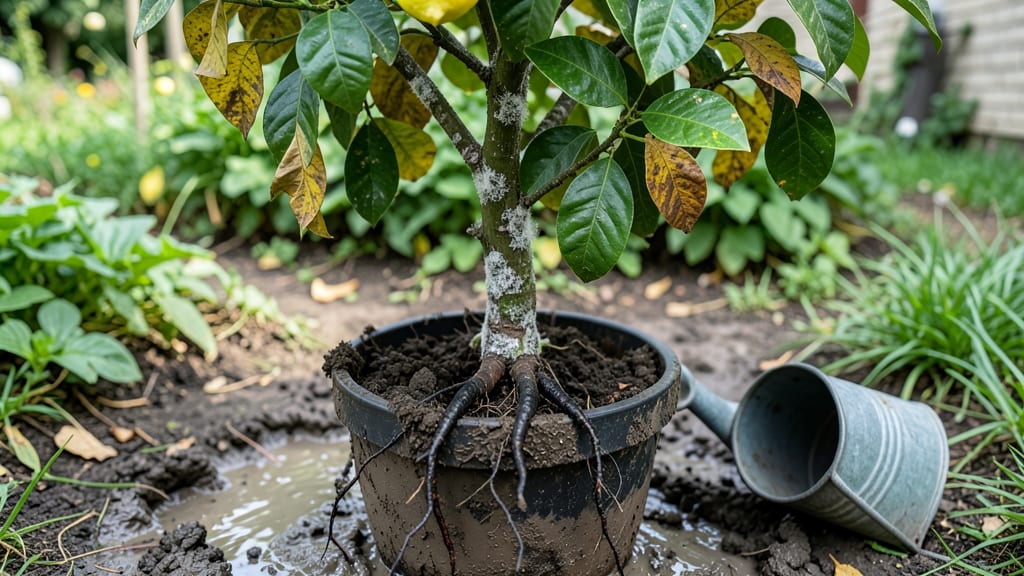
Your overwatered lemon tree’s drooping leaves and mushy stems mean root rot is setting in—and it’s fixable. 🌿 Overwatering is the silent killer of citrus trees, but with the right steps, you can rescue your plant before it’s too late.
The key is acting fast, because once the roots turn black and slimy, recovery gets harder.
First, stop watering immediately and let the soil dry out completely—this alone can save 60% of overwatered trees. Check the drainage: if water pools in the pot or saucer after 30 minutes, your tree’s roots are suffocating.
Lemon trees need well-draining soil and a pot with holes, or they’ll drown in their own moisture.
Next, trim any black, mushy roots with sterilized scissors and repot in fresh, dry soil mixed with perlite or sand. This isn’t just about saving the tree—it’s about giving it a fresh start. Within 2-3 weeks, you’ll see new growth if the roots are still healthy underneath.
Prevention is simple: water only when the top 2 inches of soil are bone-dry, and never let your lemon tree sit in saucers of standing water. A moisture meter or your finger (stick it in the soil—if it’s damp, wait) is all you need to keep your tree thriving.
Root Causes Of Overwatering
Overwatering your lemon tree isn’t just a gardening mistake—it’s often the result of well-intentioned but misinformed care. Understanding the real reasons behind soggy soil and stressed roots will help you avoid repeating the same errors. Here’s why it happens, broken down into the most common culprits:
Lemon trees (Citrus × limon) are Mediterranean natives, meaning they thrive in well-draining soil that mimics their natural rocky, sandy habitats. When drainage fails, excess water pools around the roots, cutting off oxygen and inviting fungal pathogens like Phytophthora or Pythium—the primary agents of root rot.
Why it happens:
- Clay-heavy soil compacts easily, creating waterlogged pockets. Clay’s tiny particles trap moisture like a sponge, suffocating roots.
- Lack of amendments (like perlite, sand, or compost) disrupts soil structure, reducing porosity.
- Raised beds or containers without drainage holes turn into water traps, especially in rainy seasons.
Actionable fix: Test your soil’s drainage by digging a 6-inch hole, filling it with water, and timing how long it takes to drain. If it’s slower than 30 minutes, amend with coarse sand, pumice, or coconut coir to improve aeration.
Many gardeners assume lemon trees need daily watering—a myth that stems from confusing thirsty houseplants with drought-tolerant citrus. Overwatering on a rigid schedule (e.g., every morning) ignores soil moisture levels, leading to chronic saturation.
Why it happens:
- Ignoring the "finger test": Sticking your finger 2–3 inches deep into the soil tells you whether it’s dry (time to water) or damp (hold off).
- Automatic irrigation systems set to fixed intervals, regardless of weather or season.
- Mistaking wilting for thirst: Lemon trees wilt when overwatered (roots suffocate) or underwatered (roots dry out). Check soil, not leaves!
Actionable fix: Water only when the top 2 inches of soil are dry (for potted trees) or 3–4 inches deep (for in-ground plants). In summer, this might mean every 3–5 days; in winter, every 7–10 days.
Even the most careful gardener can fall victim to unpredictable weather or poor site selection. Heavy rainfall, high humidity, or shade can turn your lemon tree’s soil into a swamp overnight.
Why it happens:
- Monsoon seasons or frequent rain: If your area gets >1 inch of rain weekly, your watering routine must adjust dramatically.
- Shady or low-lying spots: Lemon trees need 6+ hours of sun daily. Shade slows evaporation, keeping soil damp longer.
- Cold, humid climates: Cool temperatures (below 50°F) reduce root activity, making roots more susceptible to rot.
Actionable fix:
- Mulch strategically: Use wood chips or straw to regulate soil temperature and reduce evaporation—but keep mulch 3–4 inches away from the trunk to prevent fungal buildup.
- Choose the right spot: Plant lemon trees in full sun with slight elevation to prevent water pooling.
- Adjust for seasons: Reduce watering by 50% in winter and double-check drainage before heavy rains.
Potted lemon trees are especially vulnerable because containers restrict root growth and drainage. Even small errors in pot selection or watering tools can lead to disaster.
Why it happens:
- Using unglazed or small pots: Terracotta pots dry out faster, but if they’re too small, roots circle and rot from lack of space.
- Overzealous watering with hoses or sprinklers: A gentle stream is ideal; blasting water can dislodge soil and create air pockets that trap moisture.
- Forgetting to repot: Roots outgrow pots in 2–3 years, leading to root-bound stress and poor water absorption.
Actionable fix:
- Upgrade pots: Use fabric grow bags or large terracotta pots (18"+ diameter) with drainage holes.
- Water at the base: Avoid overhead watering, which increases humidity and fungal risk.
- Repot every 2–3 years: Refresh soil with a well-draining citrus mix (50% potting soil, 30% perlite, 20% compost).
Pro Tip: 💡 If your lemon tree’s leaves turn yellow with crispy edges, it’s often a sign of overwatering + nutrient leaching. Flush the soil with water to remove excess salts, then adjust your routine!
Revive Your Lemon Tree Now
Overwatering can feel like a slow-motion disaster for your lemon tree, but the good news? You can still save it with the right steps. The key is acting fast, diagnosing the root issue (literally!), and adjusting your care routine.
Below, we break down practical fixes for each common cause of overwatering, plus prevention tips to keep your tree thriving.
Cause: Root suffocation from soggy soil cuts off oxygen, leading to nutrient starvation. How to Fix It:
- 🔥 Stop Watering Immediately
- Let the top 2–3 inches of soil dry out completely before watering again. Stick your finger in—if it’s damp, wait.
- 🍳 Drain the Excess Moisture
- If your pot lacks drainage holes, repot your tree ASAP into a container with holes. For in-ground trees, consider a soil mix with perlite or sand to improve aeration.
- 👨🍳 Prune Damaged Foliage
- Snip off yellow or mushy leaves with clean scissors. Focus on branches showing signs of rot (black, soft stems). This redirects energy to healthy growth.
- 🥘 Boost Airflow & Light
- Move your lemon tree to a sunnier spot (6+ hours of light daily) and increase airflow by spacing plants apart or using a small fan nearby.
💡 Pro Tip: If repotting isn’t an option, dig a trench around the base (for in-ground trees) to encourage drainage and root aeration.
Cause: Fungal root rot from prolonged waterlogging. How to Fix It:
- 🔪 Trim the Rotten Roots
- Gently remove the tree from its pot (or dig it up for in-ground plants). Rinse the roots with water to inspect.
- Cut away black, mushy roots with sterilized shears. Healthy roots are firm and white/tan.
- 🌡️ Disinfect & Repot
- Soak the remaining roots in a 1:10 hydrogen peroxide-water mix (3%) for 10 minutes to kill fungi.
- Repot in fresh, well-draining soil (cactus/succulent mix works well). Add a fungicide (like copper-based) to the soil for extra protection.
- ⏰ Adjust Your Watering Schedule
- Water only when the top 3 inches of soil are bone-dry. Use the "knuckle test"—if your knuckle feels dry, it’s time to water.
- Bottom-watering (placing the pot in a tray of water for 10 mins) prevents over-saturating the roots.
✨ Prevention Hack: Add orchid bark or coconut coir to the soil mix to improve drainage and reduce compaction.
Even after rescue, bad habits die hard. Here’s how to keep your lemon tree happy long-term:
- 📊 Upgrade Your Pot
- Terracotta pots dry out faster than plastic. If you’re using plastic, add a layer of gravel at the bottom for extra drainage.
- 💪 Use the Right Soil
- Lemon trees hate soggy feet. Mix regular potting soil with perlite, sand, or pumice (20% amendment) for optimal drainage.
- 🥗 Water Like a Pro
- Morning watering (before 10 AM) reduces evaporation and fungal risks.
- Avoid wetting leaves—water at the base to prevent fungal diseases like powdery mildew.
- 🎯 Monitor & Adapt
- In humid climates, water less frequently. In dry heat, check soil moisture daily.
- Weigh your pot—if it feels lighter, it’s time to water.
Final Thought: Overwatering is reversible, but consistency is key. Your lemon tree will bounce back with better drainage, smarter watering, and a little TLC. Now go forth and save that citrus! 🍋💚
Frequently asked questions
How do I know if my lemon tree is overwatered vs. underwatered?
Check the soil first—stick your finger 2-3 inches deep. If it's damp, you're overwatering. Overwatered trees show yellow leaves with brown edges, mushy stems, and roots that smell foul. Underwatered trees have crispy, dry leaves and soil that pulls away from the pot edges. Both cause wilting, but overwatered trees feel heavy while underwatered ones feel light.
Can I save my lemon tree if the roots are already black and mushy?
Yes, but act fast! Trim all black/mushy roots with sterilized shears, then repot in fresh, dry soil mixed with perlite or sand. Soak remaining roots in a 1:10 hydrogen peroxide-water mix for 10 minutes to kill fungus. Water only when the top 3 inches of soil are completely dry afterward. Recovery takes 4-6 weeks with proper care.
Why does my lemon tree need so much less water than other houseplants?
Lemon trees are Mediterranean natives, adapted to dry conditions. Their roots need oxygen to thrive, and soggy soil suffocates them. Unlike tropical plants that love humidity, citrus trees prefer dry soil between waterings. Think of them like succulents—they store water in their stems and roots, so frequent watering causes rot instead of hydration.
What's the best pot material to prevent overwatering?
Terracotta is ideal because it breathes—porous walls wick away excess moisture. For plastic pots, add a 2-inch gravel layer at the bottom and ensure multiple drainage holes. Fabric grow bags are another great option as they allow roots to breathe while preventing waterlogging. Avoid sealed containers or pots without drainage—they're root rot waiting to happen.
How often should I water my lemon tree in winter?
Cut back dramatically—water only when the top 3-4 inches of soil are completely dry, which could be every 7-10 days. Cold weather slows root activity, so your tree needs far less moisture. Group potted trees together to create a microclimate that retains minimal humidity, and always use room-temperature water to avoid shocking the roots.