
Pruning
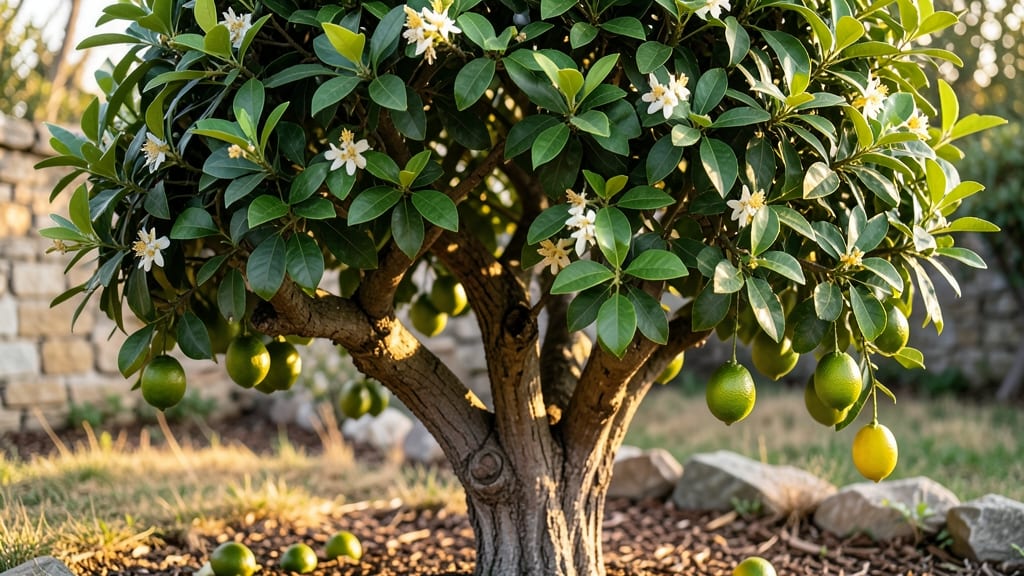
Growing a large lime tree like the Persian or Key lime means balancing its tropical nature with your climate’s realities. ✨ I’ve learned the hard way that skipping winter protection or over-pruning can turn a productive tree into a sad, leggy shadow of itself.
But with the right approach, you’ll end up with a tree that produces fruit reliably while staying manageable in your yard.
The secret isn’t just pruning—it’s understanding when and how to shape it.
Start with the right variety for your zone (Persian limes handle cooler temps better than Key limes), then focus on three key cuts per year: a light winter trim to remove dead wood, a summer shape-up to encourage airflow, and a post-harvest cleanup to prep for next season.
Most homeowners overdo it in spring, but limes actually fruit on new growth, so timing matters.
By the end of your first year, you’ll see a tree that’s compact yet vigorous, with branches heavy with fruit instead of sparse, weak limbs. The smell of blossoms in spring and the sight of bright green limes ripening in fall make every pruning session worth it.
Plus, you’ll avoid the common pitfall of a tree that outgrows its space—or worse, collapses under its own weight.
Whether you’re dealing with a young sapling or a mature tree, these techniques adapt to containers or in-ground plantings. The goal is a tree that thrives with you, not against your yard’s limitations. Let’s get started with the tools and timing that make all the difference.
📚 In This Guide
- What you need
- Instructions
- Tips and common mistakes
- Wrapping up and next steps
What you need
- ● Pruning shears (bypass or anvil type) – Choose sharp, high-quality shears (4–6" blade length) for clean cuts on small branches.
- ● Loppers (long-handled) – For branches ½" to 2" in diameter (look for bypass-style for precision).
- ● Pruning saw (folding or bow saw) – For branches 2" or thicker (avoid tearing bark).
- ● Gloves (cut-resistant) – Heavy-duty leather or synthetic gloves to protect hands from thorns and sap.
- ● Disinfectant (70% isopropyl alcohol or bleach solution) – Clean tools between cuts to prevent disease spread.
- ● Rubbing alcohol or hand sanitizer – For sanitizing hands before and after pruning.
- ● Heavy-duty trash bags or bucket – Collect pruned branches and debris for disposal.
- ● Ladder or sturdy step stool – Ensure it’s stable and tall enough to reach the tree’s canopy safely.
- ○ Pruning sealant (optional but helpful) – For large cuts (>½" diameter) to prevent disease entry.
- ● Extension pole pruners – For high branches without a ladder (save your back!).
- ● Tree pruning rope or spreader – Helps manage large, heavy branches during removal.
- ● Work gloves with grip – For extra comfort if your hands sweat.
- ● Notebook & pen – Jot down notes on cuts made for future reference.
- ● Mulch or wood chips – Refresh the base after pruning to retain moisture.
Instructions for year-round shape control of a large lime tree
Here's how I keep my mature lime tree producing fruit while maintaining a balanced shape—no pruning stress, just steady growth.
✂️ Step 1: Assess the Tree's Structure in Early Spring
Start by examining your lime tree in late winter or early spring, before new growth begins. Look for crossing branches that rub against each other and dead or diseased wood—these are your top priorities. I like to use a small hand pruner to make clean cuts just outside the branch collar (the swollen area where the branch meets the trunk). This prevents unsightly stubs and encourages faster healing.
Pay attention to the tree's natural shape. Lime trees tend to grow wider than tall, so I focus on opening the canopy to allow sunlight to reach the center. If branches are growing inward, I remove about one-third of the branch length to redirect energy outward. This step sets the foundation for the entire year's growth.
🌿 Step 2: Light Pruning During Summer Fruit Production
Once your lime tree is in full fruit production (late spring to summer), shift to light maintenance pruning. The goal here is to remove only suckers (shoots growing from the base or trunk) and water sprouts (fast-growing vertical shoots). These compete with fruit-bearing branches for energy. Use sharp pruning shears to cut these back to their point of origin—never leave a stub.
Watch for overcrowded fruit clusters—too many limes on one branch can weaken the tree. I thin these clusters by removing every other lime, leaving only the largest, healthiest ones. This ensures the remaining fruit gets enough sunlight and nutrients. Avoid heavy pruning during this time—you don’t want to stress the tree when it’s already working hard to produce fruit.
🍋 Step 3: Fall Cleanup for Winter Readiness
In late fall, after the tree has dropped most of its fruit, it’s time for a cleanup pruning session. Remove any dead, diseased, or broken branches first—these can harbor pests or diseases over winter. Then, focus on shaping the tree by trimming back any branches that grew too vigorously during the summer. I aim to reduce the canopy by no more than 25% to avoid shocking the tree.
This is also the time to sterilize your tools with rubbing alcohol to prevent spreading disease. After pruning, apply a thin layer of arborist wound dressing (if needed) to larger cuts to protect them from pests and moisture. The goal is to send the tree into winter strong and balanced, ready to burst into growth come spring.
⏰ Step 4: Winter Pruning for Airflow and Light
During dormant winter months, when the tree isn’t actively growing, is the best time for structural pruning. Focus on improving airflow by removing branches that block sunlight from reaching the center of the tree. I look for low-hanging branches that could interfere with foot traffic or other plants. Cut these back to a strong outward-facing branch or the trunk.
If your lime tree has multiple trunks, thin out the weaker ones to leave only the strongest 2-3 stems. This prevents overcrowding and directs energy into producing better fruit. Avoid heavy pruning in winter if your climate experiences hard freezes—wait until temperatures stabilize above 40°F to prevent cold stress on fresh cuts.
💧 Step 5: Year-Round Maintenance Checks
Finally, monthly inspections keep your lime tree in top shape. Check for pests like aphids or scale and treat them early with neem oil or insecticidal soap. Monitor for nutrient deficiencies—yellowing leaves often mean the tree needs iron or nitrogen. I fertilize lightly in early spring and late summer with a balanced citrus fertilizer to support both growth and fruit production.
Water deeply but infrequently—lime trees hate soggy roots. Aim for 1-2 inches of water per week, adjusting for rain. Mulch around the base with 2-3 inches of organic mulch (like wood chips) to retain moisture and regulate soil temperature. This simple routine keeps my lime tree thriving year after year.
Tips & tricks for perfect lime tree shape control
Keeping a large lime tree balanced and fruitful takes patience—but these tricks make the process effortless once you know them.
Spring Pruning Precision: When you're removing one-third of inward-growing branches in Step 1, use a permanent marker to lightly mark the cut line first. This helps you visualize the new growth direction and ensures you're making clean cuts just outside the branch collar. I've found that cutting at a slight angle (about 45 degrees) helps water run off the wound and prevents rot—especially important for larger branches where healing takes longer.
Summer Fruit Management: In Step 2, don't just focus on removing suckers—also look for branches with fruit that's already turning color. These indicate branches that are bearing fruit this season, and they deserve priority for next year's production. I like to leave these branches slightly longer than others, cutting back only to remove any crossing growth. The tree will naturally redirect energy to these productive branches.
Winter Tool Preparation: Before your winter pruning in Step 4, soak your pruning shears in a 10% bleach solution for 10 minutes, then rinse thoroughly. This sterilization prevents disease transmission between cuts. I also keep a small bottle of rubbing alcohol handy to wipe down tools between each cut—this extra step has saved my trees from multiple fungal infections over the years. The 40°F temperature threshold mentioned is critical: if you prune in colder weather, the tree's healing process slows dramatically.
Year-Round Observation: Make it a habit to do a quick "sunlight check" every month. Stand under your tree at midday and look up—you should see sunlight filtering through the canopy. If you notice dark patches where light doesn't reach, those branches need attention. This simple visual check helps you catch overgrowth early before it becomes a major pruning job. I've prevented several canopy collapse situations by catching these issues in their early stages.
Pro Tips for Lime Tree Large
- Keeping a large lime tree balanced and fruitful takes patience—but these tricks make the process effortless once you know them.
- Spring Pruning Precision: When you're removing one-third of inward-growing branches in Step 1, use a permanent marker to lightly mark the cut line first.
- Summer Fruit Management: In Step 2, don't just focus on removing suckers—also look for branches with fruit that's already turning color.
Frequently asked questions
Got questions about keeping your large lime tree thriving with year-round shape control? Here are some of the most common concerns—and expert answers to keep your tree healthy, productive, and picturesque.
How often should I prune a large lime tree?
Prune your lime tree twice a year for best results: light shaping in late winter/early spring (before blooms) and heavy pruning after harvest (fall/winter). Avoid pruning during flowering or fruiting seasons, as this can reduce yield. For aggressive shaping, you may prune once more in late summer—just avoid heavy cuts then.
Can I prune a large lime tree too much?
Yes! Over-pruning stresses the tree, weakens growth, and can reduce fruit production. Never remove more than 25-30% of the canopy in one session, and avoid cutting back to bare wood or large limbs. Focus on selective thinning to improve airflow and sunlight penetration—aim for an open-center shape to maximize fruit exposure.
Will pruning affect my lime tree’s fruit yield?
Pruning can boost yields long-term by improving air circulation and sunlight, but poor timing or heavy cuts hurt production. If you prune during flowering (spring) or fruiting (summer)**, expect fewer limes that season. For heavy harvests, prioritize fall/winter pruning to encourage robust new growth and flowering buds for next year.
What’s the best shape for a large lime tree?
The ideal shape is an open vase or modified central leader, with a single main trunk and 3-5 scaffold branches spreading evenly. This allows sunlight to reach inner branches and prevents overcrowding. Avoid a dense, bushy shape, as it traps moisture and invites disease. For dwarf varieties, a rounded, bushy form works well.
My lime tree’s branches are dying after pruning—what went wrong?
Dying branches often signal over-pruning, disease, or pest damage. Check for blackened or mushy cuts (sign of fungal infection) or sawdust-like frass (pest activity). If cuts are too close to the trunk, they may not heal properly. Seal large cuts with pruning sealant and ensure tools are sterilized with rubbing alcohol to prevent spread.
Should I prune my lime tree in full sun or shade?
Prune in early morning or late afternoon to avoid stressing the tree in peak sun. If your tree is in partial shade, prune on overcast days to reduce shock. Always work when the tree is well-watered—dry conditions make it harder for wounds to heal. Avoid pruning during heatwaves or freezing temps.
Wrapping up and next steps
Mastering the art of pruning your large lime tree ensures a thriving, fruit-bearing beauty year-round! 🌿 With the right tools, techniques, and timing, you’ll keep its shape in check while maximizing growth and harvest potential.
Whether you’re trimming for aesthetics, health, or productivity, consistency is key—so roll up your sleeves and enjoy the process!
Ready to take your lime tree to the next level? Start by scheduling your next pruning session—spring or late winter is ideal!—and watch your tree flourish with every careful cut. Happy pruning! 🌱