
Pests
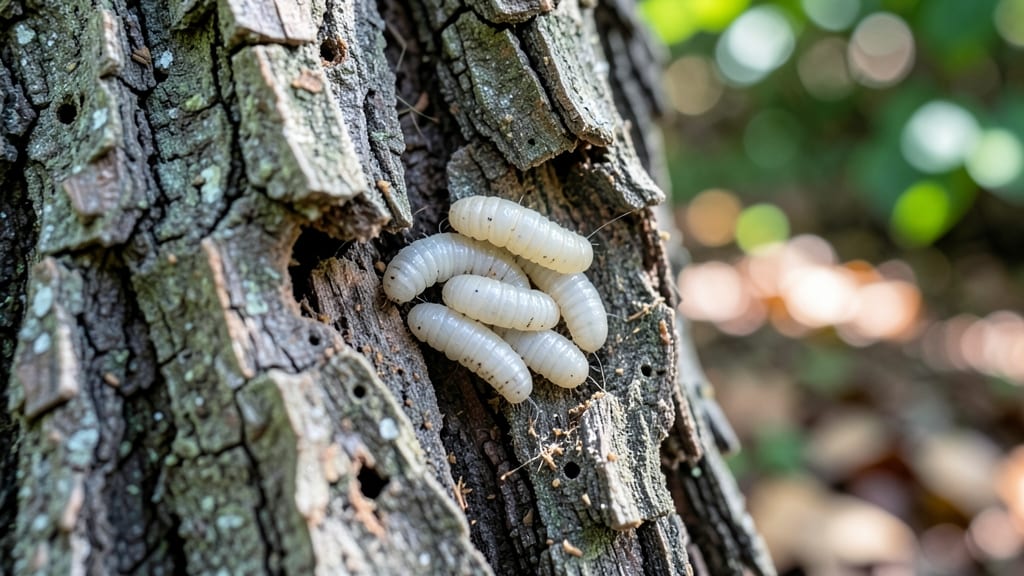
Finding little white worms crawling out of your tree bark? 🌳 These are likely wood-boring larvae—often from bark beetles or wood borers—and they can silently damage your tree if ignored. The good news? Early action means you can save your tree before the damage spreads.
Most people spot these pests too late, but the key is acting fast. Look for tiny holes in the bark, sawdust-like frass (chewed wood bits), or weakened branches.
Common targets include fruit trees, oaks, and maples, but almost any tree can fall victim. The sooner you identify them, the easier they are to eliminate.
You’ll start with simple fixes like pruning infested branches and encouraging natural predators, but severe cases may need targeted treatments. The goal is to stop the larvae before they turn your tree into a hollow shell. Let’s get your tree back to healthy growth in no time.
This guide covers everything from quick fixes to long-term prevention, so you can tackle the problem without stress. Whether you’re dealing with a young sapling or a mature tree, the right approach makes all the difference.
Root Causes Behind Bark Invaders
Discovering tiny white worms wriggling in tree bark can be alarming, but understanding the why behind their presence is the first step to reclaiming your tree’s health. These pests don’t just appear randomly—they’re drawn by specific conditions that make your tree an inviting buffet.
Below, we break down the most common reasons these critters show up, along with the science that explains their behavior.
Tree bark isn’t just a tough outer shell—it’s a dynamic ecosystem. When bark stays damp for extended periods, it becomes a magnet for moisture-loving pests, including larvae like those of bark beetles or sawflies. Here’s why:
- Fungal Growth: Excess moisture encourages fungi to colonize the bark. Some larvae, like those of the Sirex woodwasp, thrive in bark softened by fungal activity, making it easier for them to burrow and feed.
- Decaying Organic Matter: Old wounds, peeling bark, or accumulated debris trap moisture. This creates a nutrient-rich environment where larvae can develop rapidly. Think of it like a damp sponge—ideal for hatching and growth.
- Seasonal Factors: Spring and fall rains, coupled with cooler temperatures, slow evaporation. This extends the window for larvae to survive and multiply in the bark.
Pro Tip: 💡 If your tree has persistent moisture issues (e.g., near a downspout or in a low-lying area), redirect water flow or improve drainage to make the bark less hospitable.
Not all white worms in bark are the same—many are actually the larval stage of insects that laid eggs in your tree earlier in the season. Here’s how it happens:
| Pest Type | How They Infect Trees | Larval Behavior |
|---|---|---|
| Bark Beetles | Adult beetles bore into bark to lay eggs in galleries (tunnels). Females release pheromones to attract mates, increasing infestation risk. | Larvae chew through phloem (the tree’s food-transport layer), creating S-shaped tunnels that weaken the tree. |
| Sawfly Larvae | Adult sawflies lay eggs in bark crevices or under loose bark. They prefer stressed or recently pruned trees. | Larvae feed on leaves and bark, often leaving behind a silky webbing as they grow. |
| Woodboring Beetles (e.g., Powderpost Beetles) | Adults enter through cracks or damaged bark to deposit eggs. They’re often drawn to dry, dead wood. | Larvae tunnel deep into the wood, leaving behind fine powdery frass (waste) as they mature. |
Key Insight: ✨ Many of these pests target weakened trees. If your tree is already stressed (from drought, disease, or poor pruning), it’s more vulnerable to egg-laying adults.
Healthy trees have natural defenses, but when they’re compromised, they become easy targets. Stress signals—like those listed below—tell pests, “This tree is an easy meal!”
- Drought or Overwatering: Both extremes disrupt the tree’s ability to produce resins (a natural pest repellent). Drought-stressed trees, in particular, produce less sap, making it easier for larvae to penetrate.
- Physical Damage: Cracks from hail, broken branches, or improper pruning create entry points. Pests like carpenter ants or beetles use these as highways to access the bark.
- Disease or Fungal Infections: Trees battling infections (e.g., powdery mildew, canker diseases) are nutrient-depleted and can’t fight off infestations as effectively.
- Poor Soil Health: Compacted or nutrient-poor soil weakens roots, reducing the tree’s overall vigor. Weak roots = less energy to resist pests.
Actionable Fix: 🌡️ Conduct a tree health check by inspecting leaves for discoloration, bark for cracks, and roots for signs of rot. Addressing stress factors before pests arrive is your best defense.
Timing plays a critical role in pest outbreaks. Certain seasons create perfect conditions for larvae to emerge and thrive:
- Spring: Warmth and moisture trigger egg hatching. Many beetle larvae emerge when bark temperatures reach 50–60°F (10–15°C).
- Summer: Larvae feed aggressively, but dry conditions can slow their growth. However, if bark stays moist (e.g., from irrigation), they thrive.
- Fall: Cool temperatures and falling leaves create humid microclimates in bark crevices, extending the larval season.
- Winter: Some larvae overwinter in bark, emerging in early spring when food is scarce but trees are vulnerable.
Preventative Tip: 🎯 Monitor your trees during spring and fall, the peak periods for egg-laying. Apply beneficial nematodes or insecticidal soap as a preventive measure during these windows.
Practical Ways to Remove Tree Pests
If you’ve spotted tiny white worms wriggling in your tree bark, don’t panic—these pests (often wood borers, bark beetles, or larvae) can be managed with the right approach. Below are targeted solutions based on the likely cause, along with prevention tips to keep your tree healthy long-term.
---
Before treating, confirm what you’re dealing with. Common culprits include: - Wood borer larvae (white, worm-like, tunnel into bark) - Bark beetle larvae (small, white, often found in clusters) - Sawfly larvae (hairy, pale, feed on leaf surfaces but may hide in bark)
Pro Tip: 💡 If the worms are inside the bark, they’re likely borers. If they’re on the surface, check for sawfly or beetle activity.
---
#### H3: 🌲 For Wood Borer Larvae (Active Infestation) Wood borers weaken trees by tunneling into the bark and sapwood. Act fast to stop damage.
1. 🔪 Prune Infested Branches - Use sterilized pruning shears to cut and remove heavily damaged branches (at least 6 inches beyond visible holes). - Burn or bag the cuttings (do not compost) to prevent reinfestation.
2. 💦 Apply Systemic Insecticide (Best for Large Trees) - How: Drill small holes (¼ inch) into the bark near larval tunnels and inject a borer-specific insecticide (like Imidacloprid or Dinotefuran). - When: Early spring or late fall (when borers are most vulnerable). - Caution: Follow label instructions—overuse can harm beneficial insects.
3. 🛡️ Seal Entry Points (Quick Fix for Small Trees) - Mix beeswax and turpentine (or use Tanglefoot tree barrier) to coat exposed tunnels. - This smothers larvae and deters new borers from laying eggs.
4. 🌱 Strengthen Tree Health (Long-Term Defense) - Water deeply during droughts (borers target stressed trees). - Fertilize with balanced NPK (10-10-10) in early spring. - Mulch 2–3 inches around the base (keeps roots cool and hydrated).
---
#### H3: 🐜 For Bark Beetle Larvae (Clustered White Worms) Bark beetles are tricky—they reproduce under bark, so treatment must be thorough.
1. 🪒 Scrape Off Infested Bark - Use a putty knife or scraper to remove loose, infested bark (wear gloves!). - Dispose of debris in sealed bags (do not leave near the tree).
2. 💨 Use a High-Pressure Sprayer (For Surface Larvae) - Mix neem oil + water (1 tbsp per gallon) and spray directly on tunnels and crevices. - Reapply every 2 weeks until worms disappear.
3. 🐝 Introduce Natural Predators (Eco-Friendly Option) - Woodpeckers and parasitic wasps eat beetle larvae. Install a woodpecker house near the tree. - Ladybugs can also help—release them in early summer.
4. 🌿 Prevent Future Beetle Attacks - Remove weak/dying trees (beetles target stressed wood). - Apply borax solution (1 lb borax + 1 gallon water) to fresh cuts after pruning.
---
#### H3: 🍃 For Sawfly Larvae (Hairy White Worms on Leaves/Bark) Sawflies are less destructive but still annoying. Manual removal + habitat changes work best.
1. 👨🍳 Handpick Larvae (Best for Small Infestations) - Wear gloves and drop worms into soapy water (they’ll drown instantly). - Check undersides of leaves and bark crevices daily.
2. 🌿 Spray Horticultural Oil (For Heavy Infestations) - Use dormant oil spray (apply in late winter/early spring before eggs hatch). - Reapply after rain (oil washes off quickly).
3. 🚫 Remove Favorite Host Plants - Sawflies love willow, birch, and fruit trees. If possible, replace or prune heavily infested plants.
4. 🌡️ Encourage Beneficial Insects - Praying mantises, lacewings, and birds eat sawfly larvae. Plant native flowers (like dill or yarrow) to attract them.
---
Once you’ve eliminated the pests, stop them from returning with these low-effort habits:
- 🌳 Inspect Trees Annually – Check for sawdust-like frass (borer droppings) or tiny holes in bark. - 🪓 Prune Properly – Make cuts just outside the branch collar to prevent bark damage. - 💧 Water Deeply but Infrequently – Overwatering stresses roots; deep watering once a week is better. - 🍂 Clean Up Debris – Remove fallen leaves, branches, and mulch from the tree base (pests hide there). - 🛡️ Use Tree Wraps – For young trees, wrap the trunk with tree guard fabric to block egg-laying pests.
--- Final Note: If your tree is already severely damaged (peeling bark, oozing sap, or dead branches), consider consulting an arborist—some infestations require professional treatment. 🌳💪
Frequently asked questions
Are these little white worms actually harmful to my tree?
Yes, they can be. Most white worms in tree bark are larvae from pests like bark beetles or wood borers, which tunnel into the bark and sapwood. This disrupts the tree's nutrient flow and can weaken or even kill it over time. The key is acting fast—early intervention prevents severe damage.
How do I tell if the worms are wood borers vs. something harmless?
Wood borer larvae are usually creamy white and found inside bark tunnels, often with tiny holes and sawdust-like frass (chewed wood bits) nearby. Harmless worms, like springtails, are tiny (1/16 inch) and jump when disturbed. Check for bark damage—borers leave visible entry points.
Can I use vinegar or soap to kill these worms?
For surface larvae (like sawfly), a mix of 1 tablespoon dish soap + 1 quart water sprayed directly can work. However, vinegar won't penetrate bark to reach borers. For deeper infestations, use neem oil or insecticidal soap—both are safer than chemicals and effective when applied thoroughly.
Will my tree recover if I remove the worms?
It depends on the damage. If you catch the infestation early and eliminate the larvae, the tree can often recover fully. However, if the worms have already tunneled deep into the wood or the tree was already stressed, some damage may be permanent. Focus on pruning dead branches and boosting tree health to aid recovery.
Are there any natural predators that can help?
Woodpeckers, parasitic wasps, and ladybugs all eat bark beetle larvae. Install a woodpecker house near your tree and plant native flowers (like dill or yarrow) to attract beneficial insects. This creates a natural defense system that reduces future infestations.