
Loropetalum Tree Height: Variety-Specific Growth Charts for Smart Pruning

Pruning

Loropetalum Tree Height: Variety-Specific Growth Charts for Smart Pruning

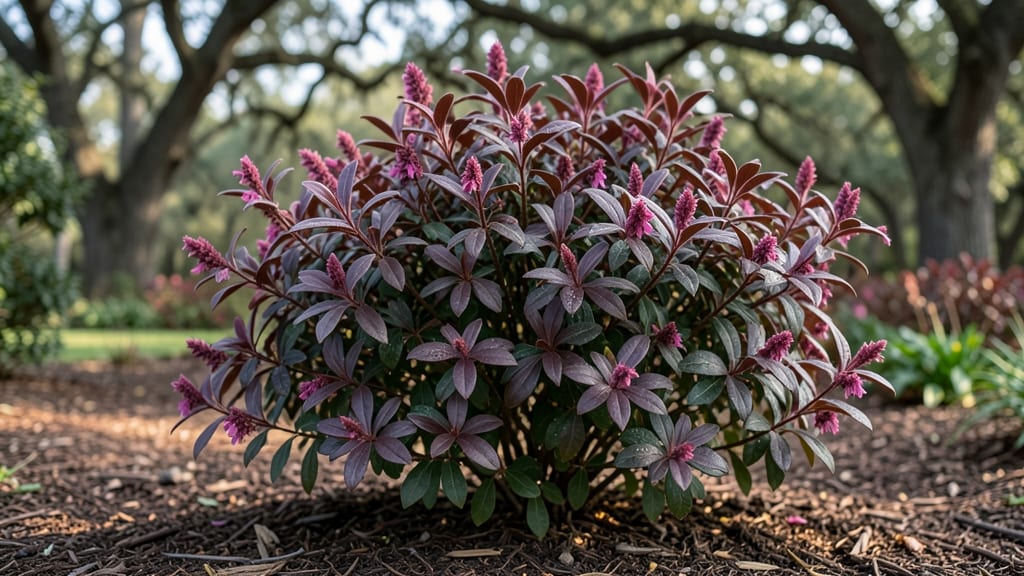
Loropetalum trees grow to heights between 3 and 15 feet, depending on the variety and how you prune them 🌿 — but choosing the right one for your space can mean the difference between a low-maintenance shrub and a towering tree that needs constant trimming.

If you’re dreaming of a stunning, low-maintenance shrub or small tree with vibrant foliage but worry about overgrowth, loropetalum’s compact varieties might just be your perfect match. Yet their mature heights vary wildly by type, from dwarf options under 6 feet to standard varieties that reach 12 feet or more.

The key to managing their height lies in understanding each cultivar’s growth habits and pruning at the right time. Whether you want a tidy hedge or a dramatic focal point, knowing how fast they grow—and how to slow them down—will save you hours of work down the line.

In this guide, I’ll break down the height ranges for the most popular loropetalum varieties, share pruning secrets to control their growth, and help you pick the perfect size for your garden design.

Loropetalum Tree Height Range
4 ftto15 ft
0 ft 3 ft 6 ft 9 ft 12 ft
🌱 Medium Shrub

Loropetalum tree height by variety: mature size comparison chart

Choosing the right loropetalum variety depends entirely on your garden space and design goals. These stunning shrubs range from dwarf varieties perfect for containers to towering small trees reaching 12 feet. Understanding each cultivar’s mature height helps you plan spacing, pruning, and long-term growth.

Below, I’ve compiled a comparison chart of 10 popular loropetalum types, including their ideal pruning strategies to maintain your desired shape.

For example, ‘Purple Pizzazz’ stays compact at just 3–4 feet, making it ideal for foundation plantings or container gardens, while ‘Rising Sun’ can grow to 10 feet if left unpruned—perfect for privacy screens or backyard focal points.

Each variety’s height also impacts how often you’ll need to prune for shape or control legginess. Let’s dive into the details so you can pick the perfect fit for your landscape.

Variety Mature Height (ft) Spread (ft) Pruning Needs Best For
‘Purple Pizzazz’ 3–4 ft 3–4 ft Light pruning; shape after flowering Containers, borders, foundation plantings
‘Little Red’ 4–5 ft 4–5 ft Minimal pruning; trim to encourage bushiness Small gardens, mixed borders
‘Plum Delight’ 5–6 ft 5–6 ft Moderate pruning; remove deadwood annually Privacy hedges, shrub beds
‘Rising Sun’ 8–10 ft 6–8 ft Regular pruning; train as small tree Specimen plant, backyard focal point
‘Yoda’ 6–8 ft 5–7 ft Prune to maintain rounded shape Mixed shrub borders, woodland gardens
‘Tiny Wine’ 3–4 ft 3–4 ft Light pruning; ideal for containers Patio pots, urban gardens
‘Crimson Fountain’ 6–8 ft 4–6 ft Prune to encourage weeping habit Specimen plant, focal point
‘Blue Chip’ 10–12 ft 8–10 ft Heavy pruning; train as tree or hedge Privacy screens, large landscapes
‘Burgundy Spice’ 5–6 ft 4–5 ft Light pruning; shape after flowering Foundation plant

How to control loropetalum height through pruning (with seasonal tips)

Pruning your loropetalum isn’t just about keeping it tidy—it’s the key to shaping its height and density while encouraging vibrant foliage. Whether you have a dwarf variety like 'Purple Dwarf' or a taller 'Rising Sun,' strategic pruning helps you manage growth year-round.

The right timing and technique can transform a leggy shrub into a lush, compact beauty that fits your garden design perfectly.

Most gardeners make one of two mistakes: pruning too late in the season or using the wrong tools. Spring pruning is ideal for shaping, while light fall pruning can stimulate new growth before winter.

I’ll walk you through the exact steps, including which tools to use and how to avoid common pitfalls like over-pruning or creating bare spots. Let’s get started with a foolproof approach tailored to your loropetalum’s mature height.

Step-by-Step Pruning Guide for Loropetalum Height Control

  1. Step 1: Gather Your Tools
    • Bypass pruners for smaller branches (under ½ inch)
    • Loppers for medium branches (½ to 1½ inches)
    • Sterilized saw for thick branches (over 1½ inches)
    • Garden gloves and disinfectant (rubbing alcohol)
  2. Step 2: Choose the Right Season
    • Spring (March–April): Best for shaping and rejuvenation. Prune just as new growth begins.
    • Fall (October–November): Light pruning only to remove dead wood. Avoid heavy cuts.
    • Avoid winter pruning: Dormant plants won’t heal well.
  3. Step 3: Prune for Height Control
    • Dwarf varieties (3–6 ft): Trim 1/3 of new growth in spring to maintain shape.
    • Medium varieties (6–10 ft): Remove up to 1/4 of height annually for bushiness.
    • Tall varieties (10–15 ft): Prune selective branches to encourage lateral growth.
  4. Step 4: Encourage Bushier Growth
    • Cut just above a leaf node or bud at a 45-degree angle.
    • Avoid "heading back" (cutting into old wood)—focus on new growth.
    • Space cuts evenly around the shrub to avoid uneven growth.
  5. Step 5: Clean Up and Maintain
    • Remove all pruned branches from the garden to prevent disease.
    • Apply mulch around the base to retain moisture and reduce stress.
    • Fertilize lightly in early spring after pruning to support new growth.

For loropetalum varieties that tend to grow tall, like 'China Girl' or 'Yoda,' focus on pruning the upper third of the plant to redirect energy downward. This creates a fuller, more balanced shape while keeping the height in check.

Always step back after pruning to check for symmetry—your goal is a natural, layered look, not a rigid geometric shape.

One of my favorite tricks for encouraging bushier growth is to prune just above a set of leaves or buds. This signals the plant to grow outward rather than upward, which is perfect for dwarf varieties like 'Purple Pizzazz.'

Just remember: never remove more than 1/3 of the plant’s foliage in a single session, or you’ll stress the shrub and risk stunted growth.

After pruning, monitor your loropetalum for new growth patterns over the next few weeks. If you notice leggy stems forming, it’s a sign to prune again lightly in early summer to maintain density.

With consistent care, your loropetalum will thrive at your desired height while showcasing its stunning foliage year after year.

Pro tip: Take before-and-after photos of your pruning sessions. It’s amazing how much difference a few strategic cuts can make in just one growing season! With these techniques, you’ll have a loropetalum that’s perfectly sized for your garden—no overgrowth in sight. ✂️🌿

★★★★★4.8(2 reviews)
Categories Pruning