
Pruning
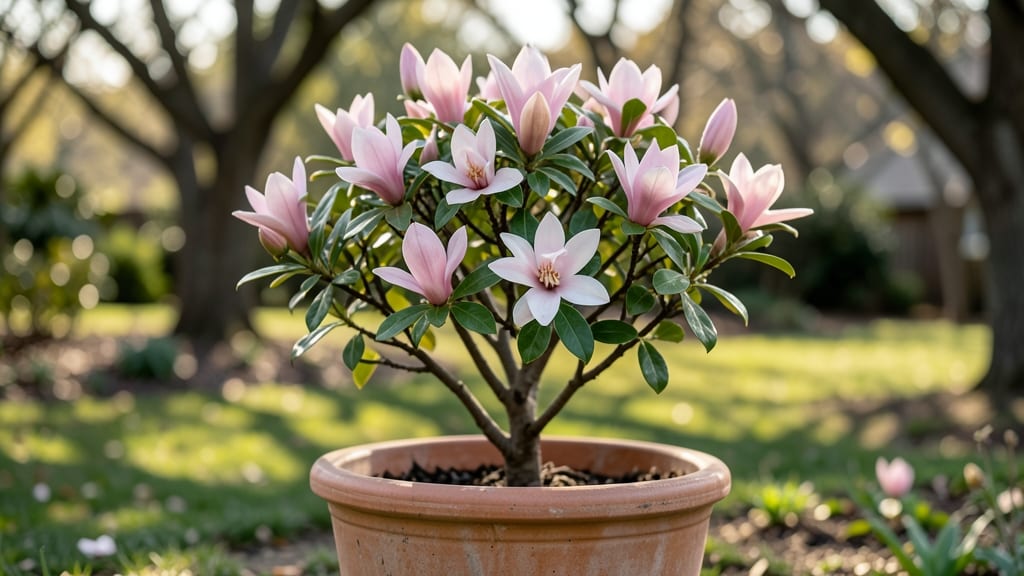
Transforming your magnolia into a year-round stunner starts with the right cuts. ✂️ I’ve pruned both Magnolia grandiflora trees and Magnolia stellata shrubs for years, and the secret to those graceful, balanced branches isn’t complicated—it’s about timing, technique, and knowing what to leave alone.
One wrong snip can set you back for months, but the right approach turns a wild, leggy mess into a showstopper that blooms beautifully every season.
Most gardeners over-prune in spring, but that’s when magnolias are already pushing new growth. Instead, focus on late winter (just before buds swell) for structural shaping and immediately after flowering to clean up spent blooms.
Shrub varieties like stellata respond well to light pruning year-round, while tree types need heavier shaping every 2-3 years. The key is to never remove more than 25% of the canopy at once—magnolias heal slowly, and aggressive cuts invite disease.
What you’ll end up with is a plant that looks intentional, not hacked. Branches will spread naturally, blooms will multiply, and the overall shape stays elegant without constant maintenance. My grandiflora now has a perfect dome shape, and my stellata shrub bursts with flowers every March.
The difference? Pruning with purpose, not panic. Let’s get those shears sharp and make your magnolia the envy of the neighborhood.
This works for both sun-drenched yards and partial shade spots, though southern exposure brings the most dramatic blooms. For slow growers or pests like scale insects, we’ll cover those fixes too—because even the most graceful magnolias need a little TLC now and then. Ready to see that transformation?
📚 In This Guide
- What you need
- Instructions
- Tips and common mistakes
- Wrapping up and next steps
What you need
- ● Pruning shears: Bypass pruners (for cuts up to ½ inch thick) – 1 pair (look for sharp, stainless-steel blades for clean cuts).
- ● Loppers: Bypass or anvil type (for branches ½ to 2 inches thick) – 1 pair (extendable handles are a plus for taller shrubs!).
- ● Pruning saw: Curved-tooth hand saw (for branches >2 inches thick) – 1 (avoid cheap saws—they dull fast!).
- ● Disinfectant: 70% rubbing alcohol or pruning sealant (to sterilize tools between cuts) – small bottle.
- ● Gloves: Heavy-duty gardening gloves (to protect from thorns and sap) – 1 pair (waterproof if possible!).
- ● Ladder: Sturdy step ladder or extension ladder (for high branches) – 1 (ensure it’s rated for your height needs).
- ● Trash bags: Heavy-duty contractor bags (for collecting pruned branches) – 2-3.
- ● Pruning paint: Tree wound sealant (for large cuts >1 inch in diameter) – small tube (controversial but useful for some!).
- ● Marking spray: Non-toxic paint or chalk (to mark branches for removal) – small can.
- ● Safety glasses: (to shield eyes from debris) – 1 pair (always better safe!).
- ● Knee pads: (for comfort if working on the ground) – 1 pair.
- ● Work apron: (to keep tools handy and hands free) – 1.
- ● Check the best pruning time for your magnolia variety (early spring or late winter is ideal for most!).
- ● Review your magnolia’s growth habits—some varieties (like Magnolia grandiflora) bloom on old wood, so timing matters!
- ● Have a clear plan for shaping—sketch or mentally map out your cuts before starting.
- ● Ensure your tools are sharp and clean to avoid tearing bark or spreading disease.
Step-by-step guide to pruning magnolia shrubs for perfect year-round form
Here's how I transform magnolias from wild, overgrown shrubs into elegant, well-branched showpieces.
🌿 Step 1: Choose the Right Season for Pruning
Magnolias bloom on old wood, so timing matters. I prune immediately after flowering—typically in late spring—when blooms have fallen but new growth hasn't yet hardened. This ensures you never cut off next year's flowers. Avoid pruning in fall or winter when the plant is dormant, as you risk removing flower buds before they open.
Look for spent blooms that have dropped naturally—this is your visual cue that the flowering cycle is complete. If you see fresh buds forming, wait another week. The goal is to shape the shrub while it's still actively growing but before it sets next year's bloom buds.
✂️ Step 2: Remove Dead, Diseased, or Weak Branches First
Start by eliminating any branches that are dead, diseased, or crossing others. I use clean, sharp pruners to make cuts at a 45-degree angle just outside the branch collar—the swollen area where the branch meets the trunk. This prevents water from pooling and causing rot. Remove any branches that are rubbing against others, as these will eventually create wounds.
Look for branches that are thinner than a pencil or have no leaves—these are candidates for removal. You'll also spot branches growing inward toward the center of the shrub. These should go first, as they create a dense, unbalanced canopy. Make these cuts first, then step back to assess the overall shape.
⏰ Step 3: Thin Out Overcrowded Areas for Better Airflow
Magnolias naturally grow with a layered, almost tree-like structure. To maintain this, I remove one-third of the oldest, thickest branches from the center of the shrub. This opens up the canopy, allowing sunlight and air to circulate. Start at the base and work your way up, removing branches that are growing straight up or downward—these create weak, leggy growth.
Step back frequently to visualize the shrub's natural shape. You want to see an open center with branches spreading outward. If a branch is too large to cut back completely, shorten it by one-third to encourage bushier growth. Avoid cutting back more than one-third of any branch in a single season—this stresses the plant.
☀️ Step 4: Shape the Outer Canopy for Balance
Now focus on the outer edges of the shrub. I trim branches that are growing too close together or those that disrupt the natural, rounded silhouette. Cut just above an outward-facing bud to encourage new growth in the right direction. This is where your pruners' sharpness matters most—dull blades tear the bark, inviting disease.
Pay attention to the plant's natural growth habit. If your magnolia tends to grow taller than wide, focus on shortening the upward branches. If it's wider than tall, lightly trim the outer edges to maintain proportion. The goal is a balanced, vase-like shape that showcases the blooms while allowing sunlight to reach all branches.
🪴 Step 5: Clean Up and Monitor for New Growth
After pruning, clean your tools with rubbing alcohol to prevent the spread of disease. Dispose of clippings immediately—never leave them near the base of the shrub, as they can harbor pests or fungi. Water the plant deeply to help it recover, especially if you've made large cuts. This encourages new growth and helps the plant heal faster.
Watch for new shoots emerging from the pruned areas within 4-6 weeks. These indicate the plant is responding well. If you see no new growth after 8 weeks, the pruning may have been too aggressive. In future seasons, reduce the amount of wood you remove. Over time, your magnolia will develop a stronger, more graceful structure with fewer large cuts needed.
Tips & tricks for perfect magnolia shrub pruning
Transforming a wild magnolia into a graceful, year-round beauty takes more than just cutting branches—it's about understanding the plant's natural rhythm. Here's what I've learned after years of shaping these magnificent shrubs.
Timing is Everything: The late spring window after blooms fall but before new buds form is your golden opportunity. I once pruned in early spring and ended up cutting off next year's flowers—don't make my mistake! Watch for those spent blooms to drop naturally, and if you see fresh buds forming, wait another week. This precise timing ensures your magnolia will reward you with stunning blooms next season while maintaining its structural integrity.
The 45-Degree Angle Secret: When making cuts in Step 2, that 45-degree angle isn't arbitrary—it's crucial for proper healing. I've seen too many pruning jobs go wrong because people make straight cuts that leave stubs. The angled cut prevents water from pooling at the wound, which would otherwise invite rot. Always cut just outside the branch collar where it meets the trunk, and make sure your pruners are sharp enough to make clean cuts without tearing the bark.
One-Third Rule for Healthy Growth: The instructions mention removing one-third of the oldest branches, and this isn't just a suggestion—it's a biological necessity. Magnolias respond best when you don't remove more than one-third of any branch's length in a single season. I learned this the hard way when I over-pruned a young magnolia and nearly killed it. Think of it as giving your plant a haircut—you wouldn't shave your head bald in one session, would you? This rule applies whether you're thinning the center or shaping the outer canopy.
Visual Cues Over Guessing: Step back frequently during the pruning process—literally. I can't tell you how many times I've gotten so focused on individual branches that I've lost sight of the overall shape. You want that open center with branches spreading outward like a graceful vase. If you're unsure about a cut, ask yourself: "Does this branch contribute to the natural silhouette?" If not, it's time to go. Remember, you can always remove more later, but you can't put back what you've cut.
Pro Tips for Magnolia Tree Shrub
- Transforming a wild magnolia into a graceful, year-round beauty takes more than just cutting branches—it's about unde...
- Timing is Everything: The late spring window after blooms fall but before new buds form is your golden opportunity. I...
- The 45-Degree Angle Secret: When making cuts in Step 2, that 45-degree angle isn't arbitrary—it's crucial for proper ...
Frequently asked questions
about pruning magnolia tree shrubs—because even pros need a little clarity now and then!When is the best time to prune a magnolia shrub?
The ideal window is late winter to early spring, just as buds swell but before new growth begins. Avoid pruning in fall—it can stimulate tender growth vulnerable to frost. For flowering magnolias, prune after blooming to preserve next year’s blossoms.
Can I prune a magnolia shrub in summer?
Summer pruning is possible, but it’s risky—new growth may not harden before winter. If you must, do it lightly in early summer (June) to shape or remove dead branches. Avoid heavy cuts; magnolias hate aggressive summer pruning!
What if my magnolia’s branches look leggy or sparse?
Leggy growth often means over-shading or poor light. Prune to open the canopy by thinning out dense inner branches (aim for 20–30% reduction). For shrub-like magnolias, prune selectively to encourage bushier growth—focus on outward-facing branches.
Why are my magnolia leaves turning yellow or dropping?
Yellowing leaves could signal overwatering, root rot, or nutrient deficiency. Check soil drainage first! If pruning was recent, stress might be the culprit—magnolias are sensitive. Adjust care: water deeply but infrequently, and fertilize lightly in spring with acid-loving plant food.
Can I turn a magnolia tree into a shrub through pruning?
Yes! For young magnolias, prune low to the ground (but never below the graft union) and encourage multiple leaders to create a bushier form. For mature trees, selective heading back (cutting just above a bud) can promote denser branching. Patience is key—it may take 2–3 years!
Wrapping up and next steps
From understanding the best tools to mastering the timing and techniques, pruning your magnolia tree shrub doesn’t have to be intimidating—it’s all about patience and precision! 🌿 With these secrets in hand, you’re well on your way to cultivating a year-round masterpiece that blooms with elegance and thrives with health.
Ready to transform your outdoor space? Start small—pick one section of your magnolia to practice your new skills, and soon, you’ll be confidently shaping its future. Happy pruning! ✂️🌸