
Blooming
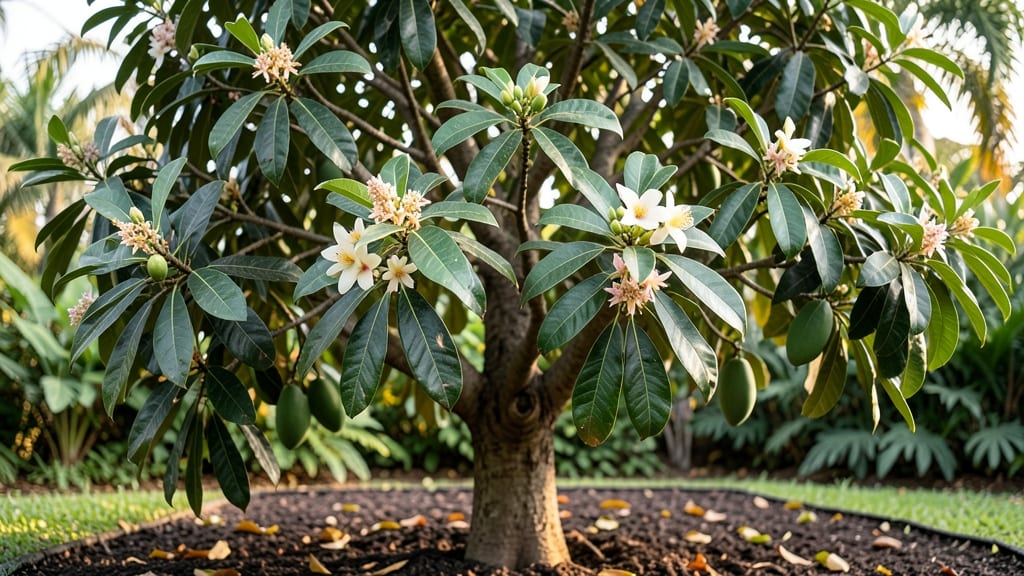
Understanding the mango tree flowering stages 🥭 is your roadmap to a harvest of juicy, ripe fruit—or the key to troubleshooting why your tree keeps dropping blooms instead of bearing fruit.
Picture this: one month, your tree is heavy with fragrant white panicles, and the next, those flowers have vanished without a trace. That’s the magic (and frustration) of mango flowering, a process as delicate as it is rewarding.
The difference between a bountiful harvest and a disappointing failure often comes down to knowing exactly what to expect—and when.
From the first signs of flower buds in late winter to the critical fruit-set window in spring, each stage demands attention. Temperature swings, sunlight exposure, and even last year’s pruning decisions can shift the timeline dramatically.
But with the right timing and care, you can turn those tiny blossoms into the sweet, sun-ripened mangoes you’ve been dreaming of.
In this guide, I’ll walk you through the month-by-month progression of flowering, the visual cues that tell you what’s happening (and what’s going wrong), and the proven tricks to maximize your tree’s potential. Ready to turn those panicles into payoff?
Monthly breakdown of mango tree flowering stages by season
Understanding the monthly flowering stages of your mango tree helps you anticipate growth, troubleshoot issues, and maximize fruit production. Unlike many fruit trees, mangoes flower in distinct phases—each with unique visual cues and care requirements.
In tropical climates, flowering can occur year-round, while subtropical zones (like Florida or California) typically see peaks in late winter to early spring. Let’s break down what to expect each month.
First, recognize that panicle formation (the initial flower clusters) marks the start of the cycle. These small, compact buds appear on branches and signal the tree’s preparation for blooming.
In warmer microclimates, like Zone 9b, this often begins in January or February, while tropical regions may see staggered flowering throughout the year. Pay close attention to your tree’s leaf color and branch activity—healthy buds are firm and greenish-yellow.
| Month | Stage | Visual Cues | Care Tips | Climate Notes |
|---|---|---|---|---|
| January–February | Panicle Formation | Small green buds appear; branches thicken | Prune dead wood; reduce nitrogen fertilizer | Tropical: Year-round; Subtropical: Post-dormancy |
| March | Bud Development | Buds swell; pale yellow-green hue | Increase potassium; monitor for pests | Warm temperate: Critical for blooms |
| April | Flowering Peak | White/pink blooms; sweet fragrance | Hand-pollinate if needed; avoid overwatering | Tropical: Continuous blooms; Subtropical: Heavy drop risk |
| May–June | Fruit Set | Small green fruits; leaf flush | Thin fruits if overloaded; add calcium | All regions: High water needs |
| July–August | Fruit Growth | Fruits enlarge; color shifts | Mulch heavily; protect from pests | Tropical: Second flush possible |
In January and February, focus on panicle formation—the initial stage where tiny green buds emerge along branches. This is your tree’s way of preparing for blooms, and it’s critical to avoid heavy pruning or fertilizer shocks.
Instead, prune only dead or diseased wood and reduce nitrogen to encourage flowering. In tropical regions, this stage may overlap with other flowering cycles, while subtropical zones (like Zone 9b) often see a single, concentrated burst.
By March, your mango tree’s buds will begin to swell and develop, turning pale yellow-green. This is the perfect time to boost potassium levels (use a balanced fertilizer like 6-6-6) to support bud health.
Watch for anthracnose fungus or mango seed weevils, which can damage buds. If you’re in a warmer microclimate, like Southern California, expect buds to develop faster due to consistent warmth.
April is when the main flowering event occurs, marked by clusters of white or pink blooms with a sweet, tropical fragrance. This stage is highly sensitive to temperature fluctuations—frost or sudden heat can cause flower drop.
Hand-pollinate if your region lacks natural pollinators (like bees) by gently shaking branches. Avoid overwatering, as soggy soil can lead to root rot and further stress the tree.
Once flowers fade, fruit set begins in May and June, where tiny green fruits appear. This is an exciting phase, but it’s also when fruit thinning may be necessary.
Overloaded branches can lead to small, poor-quality fruit. Remove excess fruits, leaving only the healthiest ones spaced 6–8 inches apart.
How to recognize healthy vs. unproductive flowering in mango trees
Understanding whether your mango tree is experiencing healthy flowering or struggling with unproductive blooms starts with close observation of its panicles—those dense clusters of tiny flowers. Healthy panicles are compact, vibrant green, and grow in clusters of 3–5 inches along the branches.
If they appear sparse, yellowed, or wilted before blooming, your tree may be stressed.
Pay attention to the flower buds themselves. In a productive tree, buds swell into small, round shapes before opening into creamy-white or pale yellow blossoms. Each bud should feel firm and plump—shriveled or hollow buds signal poor nutrient uptake or environmental stress.
Even the timing of blooms matters: late bloomers often face fewer pollinators, reducing fruit set.
Healthy Flowering in Mango Trees
- Panicles: Dense, green clusters (3–5 inches)
- Bud color: Creamy-white/yellow when open
- Bloom timing: Synchronized (peaks in 2–3 weeks)
- Fruit set: 50%+ buds develop into fruit
- Environment: Warm (75–90°F), humid conditions
- Panicles: Sparse, yellowing or dropping early
- Bud color: Brown or blackened before blooming
- Bloom timing: Staggered (weeks apart)
- Fruit set: Fewer than 30% buds develop fruit
- Environment: Cold snaps (<60°F) or drought
Weather plays a critical role in mango flowering. Temperatures below 60°F or above 95°F can cause buds to abort, while high humidity (70%+) supports pollination. If your area experiences unseasonal rains during bloom, flowers may rot before pollinators arrive. Even strong winds can shake off delicate blossoms, reducing fruit potential.
Another red flag is asymmetrical flowering. If only one side of the tree blooms heavily while the other remains bare, it may indicate uneven sunlight exposure or root damage.
Prune overly dense branches in late winter to improve air circulation and light penetration, which encourages balanced blooming. Thin out water shoots to redirect energy toward fruit production.
For post-flowering care, focus on consistent watering (1–2 inches per week) and balanced fertilization (high in potassium and phosphorus). Avoid high-nitrogen fertilizers, which promote leafy growth at the expense of fruit. Monitor for pests like mango hoppers, which suck sap and weaken developing fruit.
Remember, even healthy-looking blooms can fail if pollination is poor. Hand-pollinate by gently shaking branches during peak bloom (early morning) to transfer pollen. In urban areas, consider attracting pollinators with native flowering plants nearby.