
Pruning
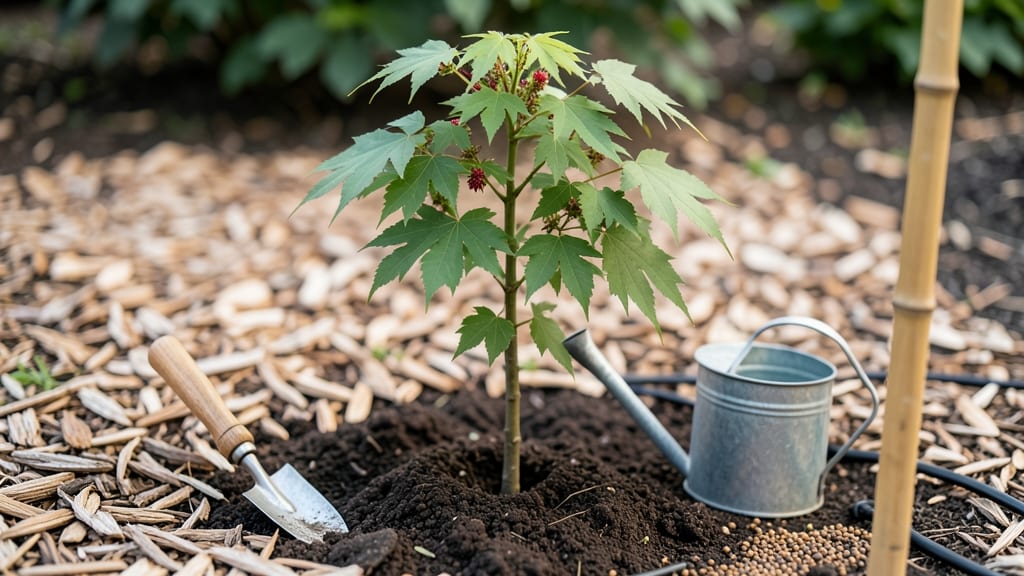
Caring for maple tree saplings means watching them grow from a fragile 2-foot plant to a sturdy 10-foot tree in just a few years. 🌳 The key is balancing water, soil, and protection—mistakes here can stunt growth or even kill your young tree before it starts.
I’ve nursed my own saplings through transplant shock and pests, and these are the exact steps that made the difference.
Start with the right soil: maples thrive in well-draining, slightly acidic soil with a pH between 5.0 and 7.0. Mulch heavily around the base (but keep it 3 inches away from the trunk) to retain moisture and block weeds.
Water deeply once a week in the first year—more in extreme heat—letting the top 2 inches of soil dry out between sessions. Overwatering is the #1 killer of young maples.
Prune only to remove dead or crossing branches in late winter or early spring. Never top the tree—this weakens growth and invites disease. Watch for aphids and borers; a strong spray of water usually clears aphids, while neem oil handles borers before they tunnel in.
With this care, your sapling will develop a strong root system and stand tall for decades.
Seasonal shifts matter most: in winter, protect young trunks from rodent gnawing with tree guards, and in summer, shade cloth can prevent sunburn on tender new leaves. The payoff? A maple that grows 2-3 feet per year and lives for centuries—starting with the right care today.
📚 In This Guide
- What you need
- Instructions
- Tips and common mistakes
- Wrapping up and next steps
What you need
- ● Maple Tree Sapling: Choose a healthy 1–3 ft tall sapling (preferably Acer rubrum, Acer saccharum, or Acer negundo for hardiness).
- ● Well-Draining Soil: 5–10 bags (20–40 lbs each) of high-quality potting mix or native soil amended with compost (1 part compost to 3 parts soil).
- ● Organic Mulch: 2–3 cubic feet of wood chips or pine straw (avoid fresh sawdust).
- ● Watering Can or Hose: A 5-gallon watering can or a soaker hose (for deep watering).
- ● Pruning Shears: Bypass pruners (sharp, 6–8 inch blades) for clean cuts.
- ● Garden Gloves: Heavy-duty, nitrile-coated gloves for protection.
- ○ Staking Supplies (Optional but Helpful): 2–3 wooden or metal stakes (4–5 ft tall).
- ● Soft garden twine or tree ties (avoid wire).
- ● Fertilizer: Slow-release granular fertilizer (10-10-10 or 20-20-20) or organic options like worm castings.
- ● Tree Guard or Protective Barrier: Plastic tree collar (to prevent rodent damage).
- ● pH Test Kit: To check soil acidity (ideal pH: 6.0–7.5 for maples).
- ● Pest Control: Neem oil or insecticidal soap (for aphids or spider mites).
- ● Weather Monitoring: A thermometer (to track frost dates) or weather app.
Step-by-step instructions for maple tree sapling care
Here’s how I’ve kept my young maples thriving through every season—simple but effective.
🪴 Step 1: Plant in the Right Spot with Proper Soil
Choose a location with full sun to partial shade—maples tolerate both but grow best with at least 6 hours of sunlight daily. Dig a hole twice as wide as the sapling’s root ball but only as deep as the container it came in. This prevents burying the trunk too deep, which can suffocate the tree.
Amend the native soil with compost (if your soil is heavy clay) to improve drainage. Maple saplings hate soggy roots, so if your area floods, mound the soil slightly to create a raised bed. Gently remove the sapling from its container, loosen any circling roots, and place it in the hole so the top of the root ball sits 1-2 inches above ground level. This helps prevent rot as the soil settles.
💧 Step 2: Water Deeply and Consistently
Water deeply right after planting—soak the soil until it’s 6-8 inches down, then let it dry slightly before watering again. I check moisture by sticking my finger 2 inches into the soil; if it feels dry, it’s time to water. Overwatering is the biggest mistake—maple saplings are tough but won’t survive in constantly wet soil.
For the first year, water once a week (more in extreme heat or drought). After that, young trees need deep watering every 2-3 weeks, unless rainfall provides 1 inch of water weekly. Mulch around the base with 2-3 inches of organic mulch (like wood chips) to retain moisture and protect roots from temperature swings.
☀️ Step 3: Protect and Prune for Strong Growth
In the first year, avoid pruning unless you see dead, broken, or crossing branches. Use clean, sharp pruners to make cuts just outside the branch collar (the swollen area where the branch meets the trunk). This prevents disease and promotes faster healing. Never remove more than 25% of the foliage—young maples need all their leaves to build energy.
Watch for pests like aphids or borers—they target stressed saplings. If you spot them, spray with neem oil (mix 1 tablespoon per gallon of water) or a soapy water solution (1 teaspoon mild dish soap per quart of water). Healthy saplings rarely need treatment, but early intervention keeps them strong.
⏰ Step 4: Prepare for Winter and Spring Transitions
Before the first hard frost, water deeply one last time to ensure roots are hydrated. Young maples are surprisingly cold-hardy, but young bark is vulnerable to sunscald in winter. Wrap the trunk of saplings with tree wrap or burlap if your winters get below 0°F—remove it in early spring before new growth starts.
In early spring, fertilize lightly with a balanced, slow-release fertilizer (like 10-10-10) if the soil is poor. Sprinkle ½ cup around the drip line (the edge of the tree’s canopy) and water it in. Avoid high-nitrogen fertilizers—they encourage weak, fast growth that can’t handle winter. Instead, focus on root development with phosphorus and potassium.
Tips & tricks for perfect maple tree sapling care
Took me years to figure out these secrets—here's how to give your young maple the best start possible.
Location is Everything: Maple saplings thrive where they get 6 hours of sunlight daily, but don't plant them in scorching afternoon sun if you're in a hot climate. Morning sun with afternoon shade works beautifully. I've seen saplings in full sun grow twice as fast as those in partial shade, but the shade versions develop stronger trunks over time.
Root Ball Placement Matters: When planting, make sure the top of the root ball sits 1-2 inches above ground level—this prevents rot as the soil settles. I've learned the hard way that burying too deep suffocates the tree. After planting, gently press soil around the edges to eliminate air pockets, but don't compact it too tightly near the trunk.
Watering Wisdom: The 6-8 inch deep watering right after planting is crucial—it helps roots establish quickly. For the first year, I set a reminder on my phone for weekly watering because consistency is key. In extreme heat, I water twice weekly instead of once. Always let the top 2 inches of soil dry between waterings to prevent root rot.
Winter Protection Hack: If your winters dip below 0°F, wrap the trunk with tree wrap or burlap to prevent sunscald. I've seen young bark crack when exposed to cold winter sun, which weakens the tree. Remove the wrap in early spring before new growth starts—usually when you see buds swelling on the branches.
Pro Tips for Maple Tree Sapling Care
- Took me years to figure out these secrets—here's how to give your young maple the best start possible.
- Location is Everything: Maple saplings thrive where they get 6 hours of sunlight daily, but don't plant them in scorching afternoon sun if you're in a hot climate.
- Root Ball Placement Matters: When planting, make sure the top of the root ball sits 1-2 inches above ground level—this prevents rot as the soil settles.
Frequently asked questions
Got questions about nurturing your young maple sapling? You’re not alone!
Here are answers to the most common concerns—from pruning to pests and everything in between.
How often should I prune a maple sapling?
Prune your sapling once a year during late winter or early spring (before buds swell). Focus on removing dead, diseased, or crossing branches—never cut more than 25% of the canopy at once. Young maples heal quickly, so light trims encourage strong growth. Avoid heavy pruning in fall, as it stresses the tree before winter.
Can I plant a maple sapling in fall?
Yes! Fall planting (late September–November) is ideal for maples—cooler temps and winter rains help roots establish before spring. Choose a hardy variety (like Sugar Maple or Red Maple) and water deeply before the first hard frost. Mulch heavily (3–4 inches) to insulate roots. Just avoid planting if your area faces early freezes or drought.
What pests or diseases should I watch for in young maples?
Common threats include:
- Aphids: Tiny green/black bugs that cluster on new leaves (use soapy water or neem oil).
- Maple borers: Look for D-shaped holes or sawdust-like frass—treat with systemic insecticide if severe.
- Verticillium wilt: Yellowing leaves + wilting (no cure; remove infected trees to prevent spread).
How much water does a maple sapling need?
Water deeply 1–2 times per week (1–1.5 gallons per inch of trunk diameter) during the first year. Saplings hate drought stress—let soil dry slightly between waterings but avoid soggy roots. Mulch (2–3 inches of wood chips) retains moisture and regulates temperature. Reduce watering in winter unless your area has prolonged dry spells.
Can I grow a maple sapling in a pot?
Yes, but it’s temporary! Use a large container (15+ gallons) with drainage holes and fast-draining soil. Choose a dwarf variety like Norway Maple ‘Columnare’ for long-term potted growth. Repot every 2–3 years and move outdoors in spring/summer. Warning: Root-bound saplings struggle when transplanted later—plan to plant in the ground within 3–5 years.
Wrapping up and next steps
Caring for a maple tree sapling is a rewarding journey that blends patience, consistency, and a little know-how! 🌱 By mastering year-round basics—like proper watering, soil prep, and seasonal pruning—you’ll set your young tree up for decades of vibrant growth.
Remember, even the mightiest maples start small, and your efforts now will pay off in stunning foliage and shade later.
Ready to watch your sapling thrive? Start small: pick one tip from this guide—whether it’s mulching, pruning, or monitoring pests—and take action this week. Every step forward is a victory for your future forest giant! 🌳