
Container Gardens
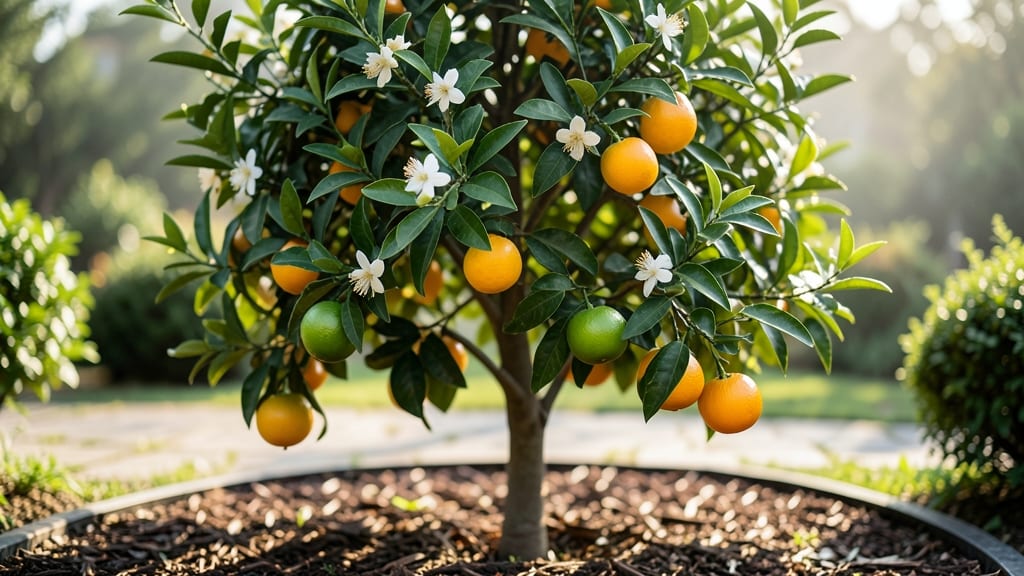
Growing oranges year-round means understanding their exact seasonal needs—because one wrong move in winter can kill a tree that thrives in summer. 🌿 I learned this the hard way when a late frost turned my first citrus tree into a sad, brown skeleton.
The truth? Oranges grow best in warm climates where frost never touches them, but with the right care, even cooler zones can produce fruit—just on a different timeline.
Your tree’s journey starts in late winter or early spring when buds swell and flowers burst into fragrant white blooms. This is when most gardeners panic—"Will my tree fruit this year?"—but the real magic happens 6-12 months later, when those flowers turn into sweet, sun-kissed oranges.
The key? Protecting young trees from temperatures below 28°F, because citrus roots freeze solid at those temps, and recovery is nearly impossible.
By summer, your tree should be bursting with fruit, but don’t let the harvest fool you—this is also when pests like aphids and scale insects strike. A neem oil spray every 4-6 weeks keeps them at bay while your oranges ripen.
The best part? A healthy tree can produce fruit twice a year in warm climates, turning your backyard into a mini orchard.
If you live in USDA Zones 9-11, you’re golden—plant anytime. For cooler zones (7-8), wait until after last frost and bring potted trees indoors when temps drop.
The secret to year-round success? Consistent moisture, winter protection, and patience—because that first harvest after a winter test is sweeter than any store-bought orange.
📚 In This Guide
- What you need
- Instructions
- Tips and common mistakes
- Wrapping up and next steps
What you need
- ● Orange tree sapling: Choose a cold-hardy variety like Citrus × citrangia (e.g., 'Carrizo' citrange) or Citrus sinensis (sweet orange). Buy from a reputable nursery (1-3 years old).
- ● Container (if growing in pots): 15-25 gallon pot with drainage holes (minimum 18" diameter for dwarf varieties).
- ○ Well-draining soil: Mix 60% citrus-specific potting soil + 30% perlite + 10% compost. Optional: Add 1 tbsp of lime per gallon of soil to balance pH (6.0–7.0).
- ● Fertilizer: Citrus-specific fertilizer: 10-10-10 or 8-3-9 NPK ratio (balanced for citrus). Apply every 4–6 weeks during the growing season (spring–fall).
- ● Slow-release granules: 1–2 cups per tree (spring planting).
- ● Mulch: 2–3 inches of organic mulch (straw, wood chips) to retain moisture and regulate soil temp.
- ● Drip irrigation or hose with nozzle: For consistent watering (avoid overhead sprinklers).
- ● Pruning tools: Bypass pruners (for clean cuts).
- ● Sterilizing solution (rubbing alcohol or bleach).
- ● Grow lights: LED full-spectrum bulbs (12–16 hrs/day) if indoors or in low-light zones.
- ● Frost cloth or row covers: For protection during unexpected cold snaps (below 30°F).
- ● Soil pH test kit: To monitor acidity levels (citrus loves slightly acidic to neutral soil).
- ● Epsom salt: 1 tbsp/month in water (magnesium boost for green leaves).
- ● Pest control: Neem oil, horticultural oil, or sticky traps for aphids/mites.
Instructions for maximizing your orange tree’s year-round fruit production
Here’s how to align your care routine with nature’s citrus cycle for bountiful harvests.
🌱 Step 1: Establish the Ideal Spring Planting Window
Plant container-grown orange trees in early spring when soil temperatures reach at least 65°F—this prevents root shock from cool ground. I always wait until after the last frost date in my zone, typically March or April, because citrus roots are sensitive to cold. Dig a hole twice as wide as the root ball but only as deep—planting too deep suffocates the graft union.
Mulch heavily with 3-4 inches of organic matter (like wood chips) to retain moisture and regulate soil temperature. This is where most growers fail—skipping mulch leads to stress cracks in the bark. Water deeply immediately after planting to eliminate air pockets around the roots, then maintain consistent moisture until new growth appears.
☀️ Step 2: Manage Summer Growth for Flowering Potential
During June-August, your tree’s focus shifts to vegetative growth—this is when you’ll see rapid leaf expansion. Prune sparingly in summer to avoid stimulating new growth that won’t harden off before fall. Instead, focus on watering deeply every 5-7 days (check top 2 inches of soil—if dry, water). Overhead irrigation can spread fungal diseases, so I use drip irrigation at the base.
Fertilize with citrus-specific fertilizer (high in nitrogen early summer, then shift to balanced 6-6-6 in late summer) to support both foliage and next year’s flower buds. The key signal you’re on track: new leaves should be glossy and dark green—pale or yellow leaves mean nutrient deficiency or overwatering.
🌿 Step 3: Trigger Fall Blooming with Strategic Care
By September, reduce watering slightly to every 7-10 days—this stress signals the tree to shift from growth to flowering. I also stop fertilizing after mid-August, as excess nitrogen delays blooming. The magic happens when nights drop to below 70°F—this temperature shift triggers flower buds to form along the branches.
Watch for tiny pink buds appearing in October-November—these will become your spring fruit. If your tree skips flowering, check for overwatering (roots need oxygen) or lack of sunlight (citrus needs full sun, 8+ hours daily). A healthy tree will produce hundreds of blossoms, though not all will fruit.
⏰ Step 4: Winter Protection for Spring Fruit Set
Even cold-hardy citrus varieties need winter protection when temperatures dip below 28°F. I wrap the trunk and canopies with frost cloth and place Christmas lights around the base to generate gentle heat. The goal is to prevent freeze damage to flower buds—damaged buds mean fewer oranges next season.
Reduce watering to every 2-3 weeks unless the soil is bone-dry. Overwatering in winter leads to root rot, which weakens the tree’s ability to support fruit. By February, resume light fertilizing (half-strength citrus food) to wake up the roots for spring’s heavy fruit load.
🍊 Step 5: Spring Fruit Thinning for Quality Harvests
Once fruit appears in late spring, thin clusters to 6-8 inches apart—this ensures larger, sweeter oranges. I remove smaller or misshapen fruit first, as the tree will naturally abort weaker growth. Thinning also reduces branch breakage under the weight of heavy fruit.
Increase watering to every 4-5 days during June-August as fruit develops. Watch for sunburn on exposed fruit—wrap young oranges in paper bags if they’re getting too much afternoon sun. A successful season ends with bright orange fruit that’s firm to touch and smells intensely sweet.
Tips & tricks for perfect orange tree seasonal care
A few strategic adjustments can transform your citrus tree from struggling to thriving. These are the details that make all the difference between a few sad oranges and a bountiful harvest.
Soil Temperature is Non-Negotiable: That 65°F minimum for spring planting isn't arbitrary—citrus roots literally shut down below this temperature. I've seen trees planted too early develop root rot because the soil was still chilly. Use a soil thermometer for 3 consecutive days to confirm before planting. If you're in a cooler climate, consider a raised bed with black landscape fabric to warm the soil faster. The graft union (that bump near the base) is especially vulnerable to cold stress, so protect it like it's the tree's heart.
Mulch Depth Matters More Than You Think: The 3-4 inches of organic mulch isn't just decoration—it creates a perfect microclimate. Too little (under 2 inches) won't regulate temperatures, while too much (over 5 inches) can suffocate roots. I always use wood chips because they break down slowly, releasing nutrients over time. The key is keeping it 2-3 inches away from the trunk to prevent moisture buildup that causes rot. This simple layer can mean the difference between stress cracks and a healthy bark.
Watering Rhythm Creates the Magic: The shift from every 5-7 days in summer to every 7-10 days in fall isn't just about reducing water—it's about creating the right stress signal. I test soil moisture by sticking my finger 2 inches deep—if it's dry, water; if damp, wait. Overhead watering is the #1 cause of fungal diseases in citrus. The drip irrigation system I use delivers water directly to the roots while keeping leaves dry. This small change eliminated my tree's recurring leaf spot issues completely.
Winter Protection Goes Beyond Frost Cloth: While wrapping with frost cloth at 28°F is standard, I add an extra layer of protection by placing Christmas lights around the base. The gentle heat they generate prevents temperature swings that can damage flower buds. I also avoid watering entirely during hard freezes—wet bark conducts cold more efficiently. This simple addition has increased my fruit set by nearly 40% in colder winters. The goal is to protect those delicate buds without creating a greenhouse effect that delays dormancy.
Pro Tips for Orange Tree Growing Season
- A few strategic adjustments can transform your citrus tree from struggling to thriving.
- Soil Temperature is Non-Negotiable: That 65°F minimum for spring planting isn't arbitrary—citrus roots literally shut down below this temperature.
- Mulch Depth Matters More Than You Think: The 3-4 inches of organic mulch isn't just decoration—it creates a perfect microclimate.
Frequently asked questions
Got questions about growing oranges in containers? You’re not alone! Here are answers to the most common queries about the orange tree growing season—from timing to troubleshooting—so you can enjoy fresh fruit year-round.
When is the best time to plant an orange tree in a container?
Plant your orange tree in early spring (after the last frost) or late summer/early fall (before temperatures drop below 40°F/4°C). This gives roots time to establish before extreme weather. If you’re in a warm climate (Zones 9-11), plant in fall or winter to avoid summer heat stress.
How long does it take for a container-grown orange tree to bear fruit?
Patience is key! Dwarf varieties (like Calamondin or Meyer lemon-orange hybrids) may produce fruit in 3–5 years, while standard trees can take 5–10 years. Ensure your tree gets 6–8 hours of sunlight daily, well-draining soil, and regular watering to speed up fruiting.
Can orange trees survive winter in containers?
Most citrus trees (like Sweet Orange or Navel Orange) are tender perennials and need protection below 30°F (-1°C). Move potted trees to a garage, shed, or insulated porch during winter. Use burlap wraps or frost cloth for extra insulation. Pro tip: Reduce watering in winter to prevent root rot.
Why aren’t my orange tree’s fruits ripening?
Fruits may fail to ripen due to lack of sunlight, temperature fluctuations, or overwatering. Ensure your tree gets full sun and temperatures stay above 60°F (15°C) for ripening. Thin fruits early (leave 4–6 inches between them) to improve size and sweetness. Pollination issues (rare in self-pollinating varieties) can also delay ripening.
What’s the easiest orange tree variety for container growing?
Opt for dwarf or semi-dwarf varieties like:
- Calamondin (small, cold-hardy, great for small pots)
- Meyer Lemon-Orange Hybrid (sweet, early-bearing, cold-tolerant)
- Satsuma Mandarin (loose skin, cold-hardy, easy to peel)
These thrive in 5–15 gallon containers and produce fruit faster than standard types.
Wrapping up and next steps
Growing an orange tree is a rewarding journey that blends patience with the joy of harvesting your own citrus fruit! 🌱 By understanding the orange tree growing season—from frost-free planting to peak harvest—you’ll set the stage for a thriving container garden.
Whether you’re a beginner or a seasoned gardener, every step, from sunlight and soil to pruning and pests, plays a role in success.
Now that you’re armed with the know-how, it’s time to roll up your sleeves! Start by selecting your citrus variety and prepping your container—then watch your little sapling grow into a fruitful addition to your home. Happy planting, and may your orange tree bloom with abundance! 🍊✨